









Connexion
Create an account

Lore&Science's blog
Discover our range of health supplements specially formulated to support the well-being of dogs, cats, and horses, helping maintain their vitality, mobility, and overall balance every day
-
 Health topics
How to treat osteoarthritis in dogs
10 February 2025
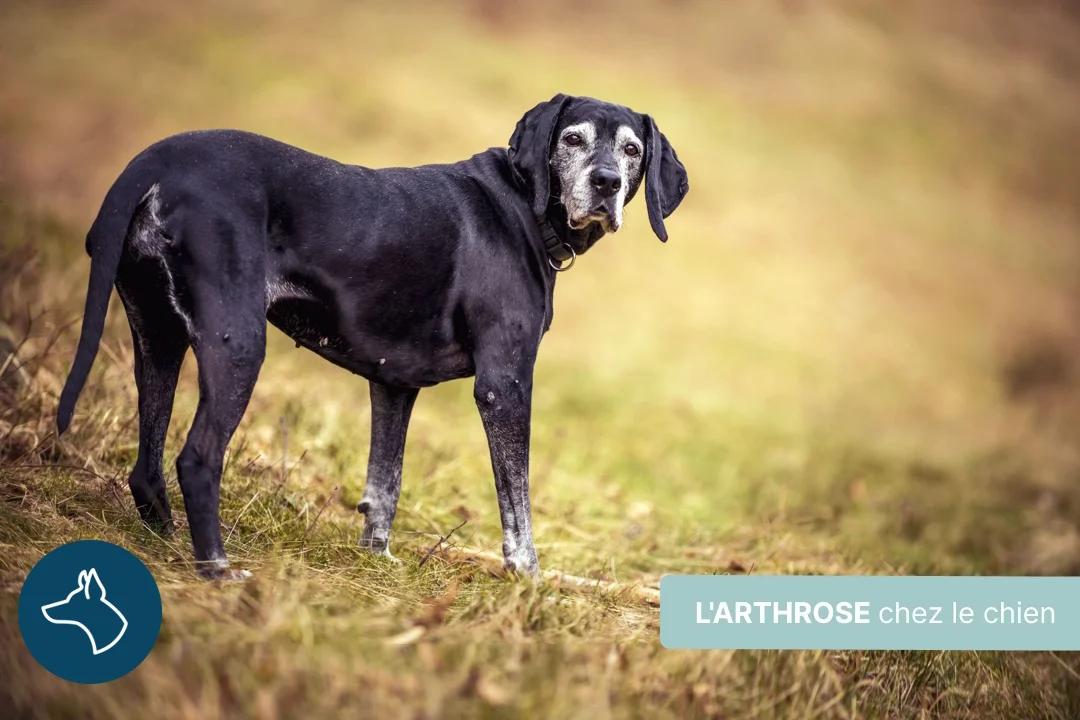
Read moreOsteoarthritis is a very common pathology among our friends the dogs. It often affects older dogs but also puppies.
In order to relieve the dog's discomfort, owners most often opt for medicated treatments prescribed by a veterinarian. However, theuse of natural treatments such as phytotherapy can become a real alternative.
What is osteoarthritis in dogs?
Osteoarthritis affects about 25% of dogs. Just as in humans, osteoarthritis can become very disabling with age. A good management and an early detection allows to delay the harmful effects of this disease.
Osteoarthritis is characterized by a progressive and irreversible degeneration of the cartilage of one or more joints. This degeneration affects in particular the hips, elbows and other bony parts of the animal.
This results in locomotor disorders characterized by reduced joint mobility, inflammation and lameness.
It is often difficult to detect because it develops gradually and the dog adapts to the pain.
There are two categories of osteoarthritis:
- Primary or primitive osteoarthritis occurs with aging. It causes the permanent degradation of cartilage over the years and a decrease in the regeneration capacity of worn cartilage.
- Secondary osteoarthritis can occur in puppies as a result of abnormal force on the joint. This can be caused by excessive sports activity, for example, but also by malformations such as elbow or hip dysplasia.
The causes of osteoarthritis in dogs
Before talking about the possible causes of this disease, we can briefly mention the subject of symptoms. It is important to know that from one dog to another, the signs of osteoarthritis can vary considerably.
It can be detected on a hip x-ray with no other visible signs. But some dogs can also live with this condition for many years without any apparent symptoms.
Among the clinical signs that are most often found in dogs:
- Refuses to go for walks;
- Loss of appetite;
- Often tired and does not want to play anymore;
- Shows signs of pain when touched.
1 Aging of the dog
One of the primary causes of osteoarthritis in dogs is natural aging. This is the primary type of osteoarthritis affecting older dogs. It is due to theerosion of the cartilage generally affecting several joints at the same time.
2 Genetic abnormalities
Hereditary abnormalities such as hip or elbow dysplasia most often affect large dogs such as German Shepherds, Hovawarts and Bernese Mountain Dogs.
Breeders are working on these parameters in order to fight against their expansion.
3 Eating disorders
Throughout its growth, the puppy's owner must take care to monitor its diet. It must be adapted according to his age, weight andexercise.
If you are obese or overweight, this can accelerate the wear and tear on your joints and increase the risk of early osteoarthritis as a result of overloading the system.
4 Significant physical activity
Long-distance running, violent games and other stimuli, intense and repetitive physical activities promote the development of osteoarthritis in dogs.
This is why it is necessary to be vigilant as to the efforts that one asks to the animal. The evolution of the different activities must be progressive to protect its health.
What can be done to treat a dog with osteoarthritis?
1 Adopt food supplements
Certain vitamins and omega-3s are an alternative to conventional medications. Chondroprotectors, substances that protect the dog's cartilage, also have beneficial effects on mobility. Glucosamine and chondroitin, for example, can be found in certain supplements.
2 Opt for hydrotherapy
For a dog that has difficulty getting up and walking,hydrotherapy is a great way to relieve osteoarthritis and improve his overall physical condition.
For example, swimming on a treadmill in a pool for ease of movement or swimming in the sea. Indeed, this way, the weight on the joints is limited and swimming is also beneficial in case of overweight.
3 Use drug treatments
Medical treatments prescribed by the veterinarian can improve the animal's quality of life by relieving the pain of rheumatism. The treatments are very often based on analgesics and anti-inflammatories.
In the case of secondary osteoarthritis, surgery can also be a solution. It will correct the abnormalities to avoid any risk of locomotor sequelae.
4 Exercise in moderation
In order to delay the clinical symptoms of osteoarthritis in dogs, it is advisable to exercise them, but in moderation.
Contrary to what you might think, a dog suffering from osteoarthritis can exercise. It is even beneficial for him to delay the development of the disease.
The objective is to proceed progressively by proposing, for example, several short walks during the day rather than one long one. This will help to fight against ankylosis of the joints.
As soon as the stiffness begins to subside, activities can be increased in intensity. However, it is important to cool the dog down afterwards, especially with a quiet walk.
Activities such as throwing a ball, riding a bike and other violent games should be avoided.
share your experience or questions with us in the comments ↓
-
 Default
Cats with urinary problems: how can you help your feline friend?
10 February 2025
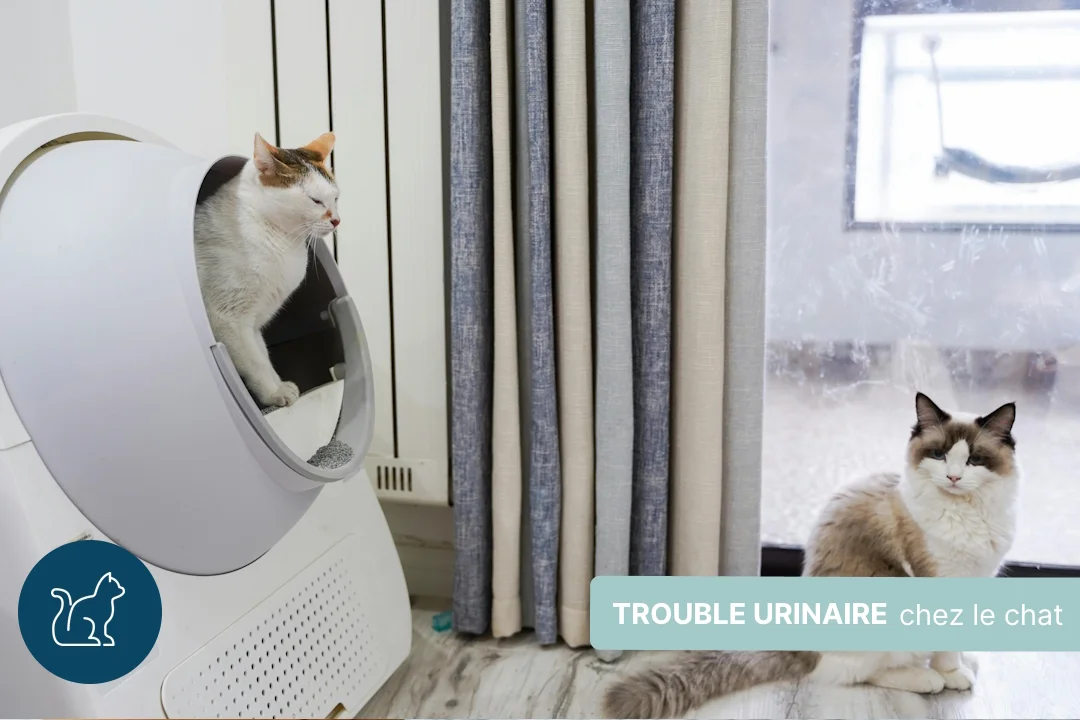
Read moreSeeing your cat struggling to urinate is worrying. These difficulties may indicate serious problems with your feline's urinary system. Every part of theurinary tract - from the kidneys to the bladder - plays a crucial role in eliminating waste and keeping your cat healthy. Lore & Science guides you through the possible causes of these difficulties, the symptoms to watch out for, and the steps to follow to help your companion return to normal, pain-free urination.
Signs of difficulty urinating in cats
Cats are often discreet animals when they're in pain, but there are several telltale signs of difficulty urinating that you can spot. For example, your cat may try to use the litter box more often, without much success. You may also notice that he spends a lot of time in a urination position without producing much urine, or worse, any at all. Another sign isbloody urine, which can indicate a urinary tract infection or kidney stones. Your cat may also express pain by meowing or complaining during elimination. Finally, lethargy, loss of appetite, and even behavioral changes such asaggression can indicate that something is wrong.
Causes of difficulty urinating in cats
Urinary tract infections
Urinary tract infections are among the most common causes of difficulty in urinating in cats, especially females. They occur when bacteria enter the urethra and travel upwards to the bladder. This bacterial invasion causes inflammation, makingurination painful and difficult. An untreated urinary tract infection can spread to the kidneys, leading to a serious kidney infection, or pyelonephritis, which can damage these vital organs.
Kidney and urinary stones
Kidney and urinary stones, also known as uroliths, are solid mineral formations that can develop in your cat's kidneys, bladder orurethra. These stones can block the normal flow of urine, making urination difficult or impossible. Kidney stones are particularly painful and require immediate medical attention. Their presence may be due to a mineral imbalance, often linked to diet or genetic predisposition. If left untreated, kidney stones can cause permanent damage to the kidneys, leading to renal failure.
Renal failure
Kidney failure is another possible cause of difficulty urinating in cats, and can be acute or chronic. This condition occurs when the kidneys no longer function efficiently to filter waste products from the blood and produce urine.Chronic renal failure usually develops slowly, over several months or years, whereasacute renal failure appears suddenly, often following an infection, intoxication, or obstruction. Cats suffering from renal failure may find it difficult to urinate due to an accumulation of toxins in their body, affecting the entire urinary system.
Diseases of the urinary tract
Other diseases of the urinary tract, such as feline interstitial cystitis (FIC) or feline lower urinary tract disease (FLUTD), can also cause difficulty in urinating. ICF is a chronic inflammation of the bladder, often with no identifiable infectious cause, which causes pain and difficulty in urinating. MVUIF, on the other hand, groups together several urinary disorders, including infections, stones and cystitis. These conditions are often exacerbated by stress, inappropriate diet or lack of hydration.
How can you help your cat overcome these difficulties?
Consult a vet immediately
The first step is to consult a vet as soon as you notice your cat is having trouble urinating. Urinary problems can quickly become medical emergencies, especially if an obstruction is present. The veterinarian will perform a physical examination and tests (urinalysis, X-rays, ultrasound, etc.) to identify the underlying cause.
In the case of urinary tract infection, antibiotics may be prescribed to eliminate the infection. If kidney stones are present, specific treatment, such as dissolving the stones with a special diet or, in some cases, surgery, may be required. In the case of renal failure, supportive treatment with a suitable diet and medication to control symptoms will be put in place.
Stay well hydrated
Hydration is crucial to your cat's urinary health. Encouraging regular water consumption helps prevent urinary tract infections and kidney stones. If your cat isn't naturally inclined to drink a lot of water, you can try using cat water fountains, which stimulate their curiosity and encourage them to drink more. You can also add water to their dry food or switch to a wet diet to increase their water intake.
Adapt your cat's diet
Preventing urinary problems in cats
Maintain a healthy weight
Obesity is a risk factor for many health problems in cats. Overweight cats are more likely to develop kidney stones and other urinary disorders. Make sure your cat stays active with regular play and provides a balanced diet adapted to its caloric needs.
Provide clean, accessible litter
Cats are very fussy about the cleanliness of their litter box. A dirty or inaccessible litter box can discourage them from urinating. Urine retention tends to lead to urinary problems. Be sure to clean the litter box daily and place it in a quiet, easily accessible spot. If you have several cats, it's advisable to provide one litter box per cat, plus one extra.
When to worry and seek urgent medical attention
If your cat hasn' t urinated for more than 24 hours, if it seems extremely painful when trying to urinate, or if you notice the presence of blood in its urine, consult a veterinarian immediately. Complete urinary obstruction , often caused by stones or urinary plugs, can be fatal if not treated promptly. Failure to urinate is particularly serious, as it can lead to a rapid build-up of toxins in the bloodstream, putting your cat's life at risk. In such cases, rapid veterinary intervention, often in the form of catheterization or surgery, is required to unblock the urethra and enable your cat to resume normal urination.
Conclusion
Difficulty urinating in cats is not a problem to be taken lightly. Urinary tract infections, kidney stones or kidney failure are all potential risks that should not be overlooked. The key to helping your cat lies in careful observation, rapid response and ongoing prevention. Consult your vet at the first sign of difficulty in urinating. As you can see, a healthy environment, a balanced diet and regular medical check-ups are the best ways to keep your feline's urinary tract healthy.
Share your experience or questions with us in the comments ↓
-
 Health topics
How do you prepare your dog for a sporting event?
10 February 2025
Read moreYou've decided to take the plunge into the world of dog sports competitions. This project requires both dedication and meticulous preparation. Whether you're an experienced dog owner or new to the world of dog sports, the key to success lies in proper preparation. In this article, Lore & Science reveals the essential steps to prepare your dog for a sporting event
Choosing the best dog sport for your dog
The first crucial step in preparing your dog for a sporting competition is to take the time to carefully select the sport that best matches his natural aptitudes. Skills and predispositions vary considerably from breed to breed, and it's essential to match these innate talents with the appropriate sporting discipline.
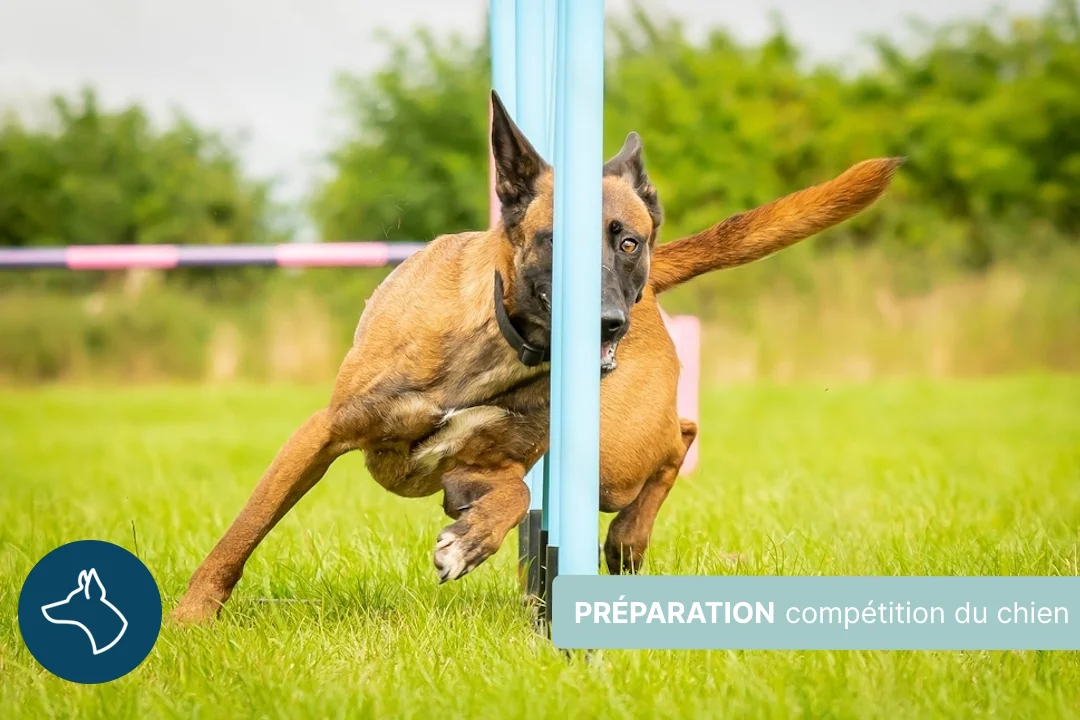
During this selection phase, you need to make a careful assessment of your dog's physical and mental characteristics . Some breeds are renowned for their speed and agility, making them predestined for sports such asagility or racing. Other breeds, endowed with great intelligence and excellent obedience skills, excel in precision sports such as competitiveobedience orrhythmic obedience. However, don't limit your consideration to racial characteristics alone. Also take into account your dog's personality and individual preferences.
Adapting your dog's nutrition for sporting events
When preparing your dog for a sporting event, nutrition is of paramount importance. It's advisable to provide your canine companion with a high-quality food specially designed for sporting dogs. These foods are formulated to provide a balanced range of essential nutrients, ensuring that your dog has the energy and vitality he needs to perform.
Portion control is also a crucial part of your dog's nutritional preparation. It's essential to keep a close eye on the quantities you feed your dog. This helps avoid two common pitfalls: overweight, which can impair sporting performance, and undernourishment, which can lead to a lack of energy.
Just before an event, you can take a course of Pack Pre Compétition, which combines 2 100% natural supplements to improve mobility and strengthen joints and tendons. This combination can be particularly beneficial in preparation for sporting competitions such as ring or agility.
Optimizing the physical preparation of your sporting dog
Keeping your canine companion in top physical condition is obviously a crucial step in preparing him effectively for a demanding sporting competition. We recommend that, with the help of a specialized trainer or your veterinarian, you draw up a training program specially tailored to the particular requirements of your chosen sport. Whether it's racing, jumping, agility exercises or any other specific activity, each element needs to be strategically integrated to develop your dog's skills and fitness.
Combine this personalized training program with regular veterinary follow-up. Your veterinarian will be able to check that your sporting dog is in good health and fit to compete. What's more, your veterinarian can give you sound advice on injury prevention and help you draw up a preparation plan that ensures your dog's safety and well-being.
Sporting dog recovery for better performance
Post-exercise recovery is crucial to maintaining the sporting performance of our canine companions throughout the year. Sporting dogs, whether in agility, canicross, ring or any other dog sport, are subject to considerable physical demands. Effective recovery is essential to avoid fatigue and injury, and to maintain their general well-being.
So, to succeed in the demanding world of canine sporting competitions, meticulous preparation is essential. Choice of sport, nutrition, physical preparation, recovery... These essential steps will enable you to prepare your dog for a sporting competition in a complete and thoughtful way. Your dedication and commitment, combined with proper preparation, will maximize your dog's chances of success on the competition field.
Share your experience or questions with us in the comments ↓
-
 Health topics
How to detoxify your dog's body?
03 February 2025
A regular detox and drainage treatment to eliminate harmful substances from the body will keep your dog in great shape!
WASTE = TOXIC SUBSTANCES
The need for detoxification
Your dog absorbs toxins through the respiratory tract, mouth or skin. Toxins have a preference for fatty tissue. Body tissues that contain a lot of fat and where toxins can easily accumulate are :
The brain
The brain contains 60% fat. If toxins nestle in the brain, they can trigger epilepsy, among other things.Liver
Toxins impair liver function. As a result, your dog will have less energy and become tired more quickly.Joints
Hyaluronic acid is the main component of joint fluid and acts as a lubricant. Toxic substances like to accumulate in this fat-rich tissue, which can lead to joint problems.Detoxification is an active biochemical process
The most important excretions from the dog's body are sweat and urine. Both of these have a water base and are therefore not "fat soluble". It is like putting a drop of olive oil in a glass of water: the oil floats on the water and does not dissolve. To eliminate a toxin in the body, it must first be converted into a water-soluble molecule. This task is performed by the liver. This organ filters, neutralizes and transforms toxins. Then, these will :
➤ to the liver and gallbladder, to be excreted in bile and blood
➤ to the kidneys and bladder, to be excreted in urine
➤ to the lymphatic system and skin, to be excreted in sweat through perspiration
➤ to the large intestines, to be excreted through stools
➤ to the lungs, to be exhaled through the air and secreted by the mucus layer (by coughing through mucus or sneezing)This detoxification process requires a lot of energy from your dog. During a cleanse, your dog may be lazier for 2 or 3 days.
Plants can help your dog!
Milk thistle
has liver-protective and detoxifying properties. It also contains "silymarin", a substance that supports liver cell function so they can more easily neutralize toxins. This enhances the ability to render free radicals harmless and stimulates liver regeneration.Artichoke and dandelion
stimulate intestinal, liver and kidney function.Detox
By stimulating liver and kidney function, detox - a superficial cleansing - is a rapid and immediate elimination of toxins. A detox cure is indicated after medical procedures, prolonged medical treatment, deworming or intoxication.Did you know that?
A healthy liver can eliminate 100% of the waste and toxins circulating in the body?
Drainage
Drainage is a deep cleansing that stimulates the functioning of all excretory organs such as the liver, kidneys, spleen, intestines, lungs and lymph nodes. You could describe it as deep cleansing. The drainage process is a physiological process that only has a decisive long-term effect. That's why such a cure usually lasts 21 to 30 days.Our advice
Always combine a synthetic product with a detoxification program to minimize the burden on body functions.
For example, after a chemical deworming, a vaccine, or a drug treatment.
Give your dog a detoxification and drainage treatment at least twice a year to keep him in good condition. For example, as a preventive measure to facilitate moulting just before the period.
Moulting requires more energy from your dog than you think, and by regularly purifying his body, you can help your dog make the transition easier.
Have you tried a detox for your dog? Share your experience with us in the comments ↓