









Connexion
Create an account
Create an account
Connexion
Sed eget pretium lectus, sed bibendum augue. In sollicitudin convallis blandit. Curabitur venenatis ut elit quis tempus. Sed eget sem pretium, consequat ante sit amet, accumsan nunc. Vestibulum adipiscing dapibus tortor, eget lacinia neque dapibus auctor. Integer a dui in tellus dignissim dictum eu eu orci. Integer venenatis libero a justo rutrum, eu facilisis libero aliquam. Praesent sit amet elit nunc. Vestibulum aliquam turpis tellus, sed sagittis velit suscipit molestie. Nullam eleifend convallis sodales. Aenean est magna, molestie quis viverra vitae, hendrerit nec dui.

Lore&Science's blog
Discover our range of health supplements specially formulated to support the well-being of dogs, cats, and horses, helping maintain their vitality, mobility, and overall balance every day
-
 Default
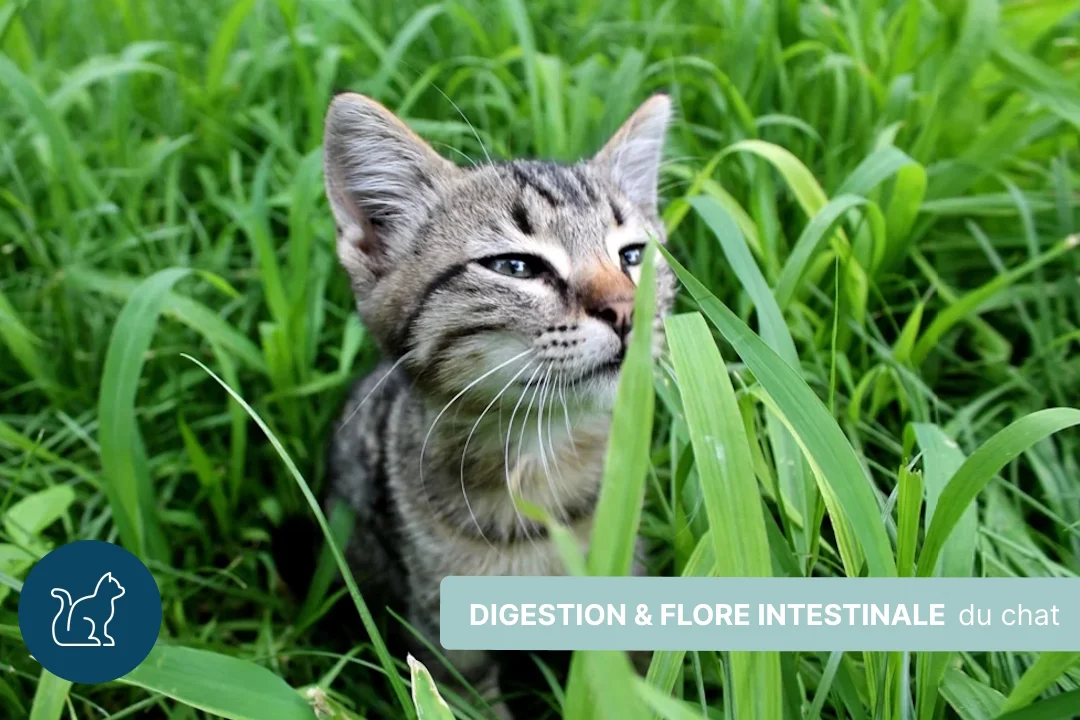
Digestion and diarrhea in cats, a focus on intestinal flora
18 November 2025
Read moreDigestive disorders, particularly diarrhea, are common in cats. They can be caused by a number of factors, and have a major impact on comfort, appetite and energy levels. An imbalance in the intestinal flora, also known as microbiota, often plays a central role in these disorders.
Why does a cat suffer from digestive problems or diarrhoea?
Digestive disorders occur when a cat's digestive system is disturbed. Several factors can weaken the microbiota, leading to unstable transit. Understanding these causes is essential to taking effective action. Here are the main factors that can cause digestive disorders:
- Rapid dietary changes.
- Stress or changes in daily life.
- Individual digestive sensitivities.
- Viral, bacterial or parasitic infections.
- Unsuitable food, table scraps or irritants.
- Natural imbalance of intestinal flora.
Signs to look out for in your cat
Digestive symptoms may vary in intensity, but there are certain signs that should attract the owner's attention. Paying attention to these symptoms allows for rapid and appropriate treatment. Here are the most frequent symptoms:
- Acute or intermittent diarrhea.
- Loose, foul-smelling or unusual stools.
- Sensitive stomach or gurgling.
- Loss of appetite or capricious appetite.
- Lethargy or low energy.
- Dull hair or slight weight loss.
What can you do to help your cat?
As soon as digestive problems appear, it's advisable to adopt a global approach to rapidly relieve the animal while preserving its microbiota. Here are a few practical tips to support your pet's digestion:
- Reintroduce a light, appropriate diet.
- Keep well hydrated, especially in case of diarrhea.
- Avoid sudden dietary changes.
- Reduce sources of stress and promote a calm environment.
- Consult a veterinarian if symptoms persist.
- Use natural support to rebalance intestinal flora.
In addition, a natural solution can help strengthen intestinal balance and provide lasting support for digestion.
Conclusion
Digestive disorders and diarrhea are common in cats, but with the right management combining diet, environment and natural support, you canrapidly improve your cat's comfort. By rebalancing intestinal flora with a holistic approach and supplements such as ReFlore Cat, you can help your cat achieve more stable digestion and lasting well-being.
FAQ
Can my cat have stress-related diarrhea?
Yes, stress is a frequent cause of digestive problems in cats.
How long does it take for the intestinal flora to rebalance?
Depending on the cat, this may take from a few days to several weeks.
Can ReFlore Cat be used for prevention?
Yes, it can be given preventively to sensitive cats or during dietary changes.
When should I consult a vet?
If diarrhea lasts longer than 48 hours, worsens or is accompanied by apathy, a consultation is recommended.
-
 Default
Hepato renal drainage, how to drain your cat's body?
21 October 2025
Read moreThe liver and kidneys play a central role in theelimination of metabolic waste. In cats, a slowdown in these functions can result in fatigue, a dull coat, fussy digestion or a drop in vitality. Gentle, adapted hepato-renal drainage helps the body to recover from excesses (rich diet, drug treatments, convalescence) and regain greater comfort.
Why might a cat need hepato-renal drainage?
Hepato-renal drainage is not an "express cleansing", but a progressive support of the elimination pathways. Several factors can increase the workload on the liver and kidneys:
- Unsuitable food or treats that are too fatty/salty.
- Sedentary lifestyle, overweight or lack of hydration (cats who drink little).
- Post-medication periods (antibiotics, anti-inflammatories) or convalescence.
- Advanced age: elimination functions sometimes less efficient.
- Environmental stress (moving house, changes) that can disrupt appetite and digestive balance.
In these situations, a well-managed hepato-renal support protocol can help the body better metabolize and eliminate waste, while respecting feline sensitivity.
Signs to recognize: when to consider drainage?
Signs are often discreet in cats. Here are some signs that may prompt a consultation and the implementation of appropriate support:
- Less energy, more sleep, less interest in playing.
- Dull coat, dandruff, stronger breath than usual.
- Irregular transit (alternating soft and hard stools), fickle appetite.
- More concentrated urine or smellier litter (to be interpreted with the vet).
- Slow recovery after a period of treatment or stress.
These signs are not specific: only a veterinarian can diagnose them. Natural Drainage is a kind, supportive accompaniment to veterinary care.
How to act effectively: gentle protocol and useful gestures
Early, measured care is essential: the earlier we intervene, the faster the animal will regain comfort. Here are the main lines of action to focus on:
1) Health and nutrition
- Hydration: offer self-service fresh water, multiply water points, use a fountain if necessary.
- Ration: opt for a quality diet adapted to the cat's age and body condition; give preference to wet food if the cat drinks little.
- Shape weight: implement gradual weight loss in case of overweight, under veterinary supervision.
- Activity: stimulate calm, regular play to support metabolism.
2) Natural remedies and phytotherapy
Certain plants are traditionally used to support the liver and kidneys (e.g. milk thistle, artichoke, dandelion, orthosiphon). For cats, caution is essential: choose formulas adapted to the species, in appropriate doses, and seek the advice of your veterinarian in the event of ongoing treatment or known pathology.
3) Veterinary support
Veterinary advice is recommended prior to any protocol, especially if signs persist or worsen, or if your cat is elderly/fragile. The veterinarian will be able to suggest a check-up (clinical, blood, urine) and define the rhythm of hepato-renal support in complete safety.
Conclusion
Hepato-renal drainage in cats is part of an overall approach that includes hydration, a suitable diet, activity and natural support. Lore & Science's Kidney & Liver Health Pack complements these measures by providing progressive support for elimination functions. Implemented early and regularly, it helps maintain your pet's vitality and well-being.
FAQ
How often should cats be drained?
Frequency depends on age, lifestyle and individual needs. Many owners opt for short, regular cures (e.g. at each change of season), following veterinary advice.
Can a cat that drinks very little benefit from drainage?
Yes, but the priority is to increase hydration (fresh water, fountains, wet food). Drainage does not replace hydration; it works in conjunction with it.
Are there any contraindications?
In case of diagnosed pathology (renal or hepatic insufficiency) or ongoing treatment, ask your veterinarian for advice before starting any treatment. Some plants and dosages are not suitable for all profiles.
-
 Default
My cat has stopped urinating: what are the causes and what should i do?
30 July 2025
Read moreWhy can a cat stop urinating?
The absence of urine in cats, also known as anuria or oliguria depending on its severity, is a serious and potentially life-threatening symptom. There are several possible causes:
- Urethral obstruction, often due to crystals or mucous plugs.
- Severe urinary tract infections or chronic inflammation.
- Advanced kidney disease reducing urine production.
- Stress or behavioral disorders blocking urination.
- Side effects of certain drugs or intoxications.
It is essential to determine the exact cause quickly to avoid serious, even irreversible, complications.
Warning signs not to be ignored
A cat that no longer urinates often shows visible signs that should never be overlooked:
- Frequent unsuccessful attempts to urinate in the litter box.
- Mewling in pain, restlessness or excessive licking of the genital area.
- Abdomen tense or painful to palpation.
- Fatigue, loss of appetite, vomiting or abnormal behavior.
- Total absence of urine in the litter for more than 12 to 24 hours.
These signs indicate a veterinary emergency. Prompt treatment is vital.
How can we deal with this problem effectively?
A cat that has stopped urinating should be seen by a vet as a matter of urgency. Obstruction can lead to serious poisoning of the body and death within a few hours if left untreated.
Actions to be taken :- Immediate veterinary consultation to detect obstruction or kidney problem.
- Infusion, urinary catheterization or surgery in case of obstruction.
- Regular monitoring of renal function and urinary system after stabilization.
At the same time, natural support can be provided for the kidneys and urinary tract, particularly after the critical phase, to prevent recurrence.
Conclusion
When a cat stops urinating, it's a veterinary emergency. Prompt treatment saves lives, but it's also essential to prevent recurrences. With natural supplements like the Cat Kidney Health Pack, you can effectively support your cat's kidney and urinary functions.
FAQ
Could it just be stress?
Stress can play a role, but a potentially serious physical cause should never be overlooked.
My cat has started urinating again after a seizure. Should I still go to the doctor?
Yes, even if the episode seems resolved, it's important to check the condition of your kidneys and prevent recurrences.
Can I give Pack Santé Reins Chat as a preventive measure?
Yes, as a preventive measure for cats with a history of urinary or kidney problems, always with veterinary advice.
-
 Default
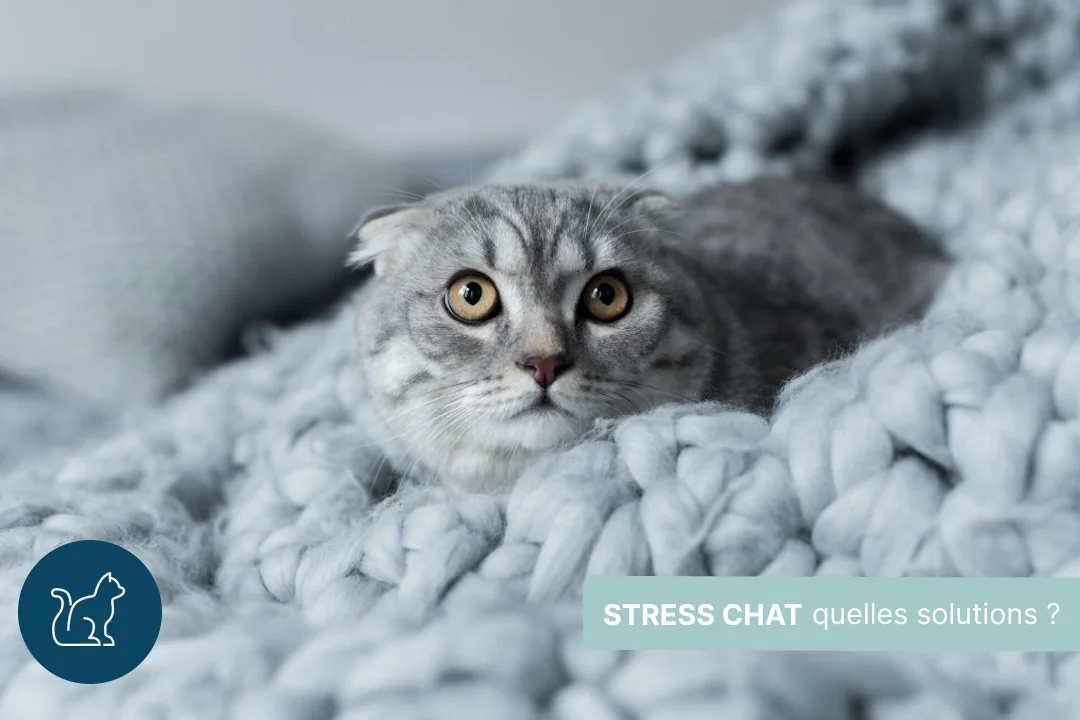
Stressed cats: how to soothe them?
24 June 2025
Read moreWhy can a cat be stressed?
Stress in cats is a natural reaction to situations perceived as threatening or unusual. However, chronic stress can adversely affect health and behavior. Several factors can trigger this stress:
- A move or a change of environment.
- The arrival of a new pet or baby in the household.
- Unusual or frequent noises (construction work, fireworks, etc.).
- A disrupted routine or lack of stimulation.
- Poor socialization or past trauma.
Signs of stress
Cats under stress may exhibit a variety of unusual behaviors. Here are some signs to watch out for:
- Urinary marking or sudden uncleanliness.
- Aggressiveness or withdrawal.
- Excessive grooming or hair loss.
- Appetite disorders (bulimia or anorexia).
- Hypervigilance, frequent meowing or nocturnal agitation.
How to react effectively?
At the first signs of stress, it's essential to take action to restore your cat's well-being. Prompt attention limits the impact on your cat's physical and mental health.
Here are some solutions to consider:
- Provide a calm environment, with hiding places and resting areas high up.
- Maintain a stable routine and avoid sudden changes.
- Stimulate the cat with games and daily interaction.
- Use pheromone diffusers or soothing music.
- Consult a veterinarian or behaviorist if necessary.
In addition, natural support can be beneficial. RelaxCat from Lore & Science is a supplement specifically formulated for cats prone to stress, anxiety or simply nervousness when faced with changes in daily life.
Conclusion
Stress in cats is a common problem, but one that should not be underestimated. By understanding the causes and taking appropriate care, you can greatly improve your cat's quality of life. By combining a serene environment, a stable routine and a natural supplement like RelaxCat, you can give your cat every chance of regaining its equilibrium.
FAQ
My cat has been stressed since moving house. What can I do?
It's important to recreate landmarks: secure his new environment with hiding places and familiar smells, and stick to a stable routine.
What are the most common signs of stress in cats?
Urine marking, isolation, excessive licking, loss of appetite or irritability are signs to watch out for.
Can RelaxCat be given to an older cat?
Yes, RelaxCat is suitable for cats of all ages. If in doubt, ask your vet for advice.
Is RelaxCat compatible with other treatments?
RelaxCat can be used as a complement to veterinary treatment, on the advice of a practitioner.
-
 Default
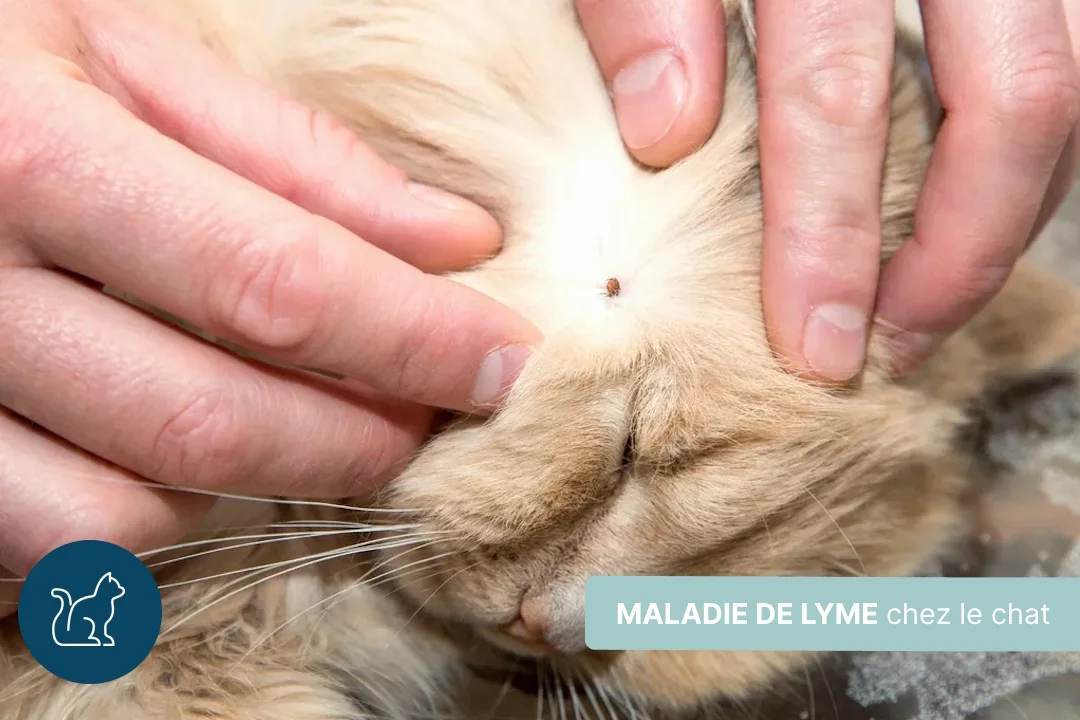
Lyme disease in cats: a complete guide
11 May 2025
Read moreLyme disease, also known as Lyme borreliosis, is an infectious illness caused by bacteria of the genus Borrelia. These bacteria are transmitted by Ixodes ticks, commonly known as deer ticks or black long-legged ticks. When an infected tick bites an animal, Borrelia bacteria can be transferred into the host's bloodstream, triggering the disease. While this disease is most commonly associated with dogs and humans, it can also affect cats. In this article, Lore & Science tells you all you need to know about Lyme disease in cats: symptoms, diagnosis, treatment and essential preventive measures to protect our felines.
What are the symptoms of Lyme disease in cats?
Want to know if your cat has Lyme disease? Here are the characteristic signs that should alert you. Note that these can be varied and non-specific, making diagnosis sometimes difficult.
Joint pain and intermittent lameness
Joint pain is common in cats infected with Lyme disease. These pains can be felt in various joints of the animal's body. You may notice that your cat avoids being touched or handled, or it may emit plaintive meows when it moves.
Thus, one of the most common symptoms of Lyme disease in cats is intermittent lameness, linked to these inflamed joints. What does "intermittent lameness" really mean? Well, it's a sudden, fluctuating lameness that can affect different legs at different times.
Persistent fever
Fever is a common reaction of the body in response to infection. If your cat has a persistent, unexplained fever, this may be a worrying indicator. Remember that fever is the body's defense mechanism against pathogenic invaders. When it lasts over time, it may indicate a prolonged struggle against the bacteria responsible for Lyme disease.
Lethargy and loss of appetite
As with many other conditions, cats with Lyme disease may become lethargic and less active than usual. They may also lose their appetite, which can lead to weight loss. As explained above, these are not symptoms specific to the disease, but rather an indicator of a worrying state of health in the cat, which should lead you to seek veterinary advice. As with all feline diseases, the symptoms of Lyme disease in cats can vary from one individual to another, and not all infected cats will show all these signs. In addition, these symptoms may also be due to other medical conditions, making the diagnosis of Lyme disease more complex. So, if you observe one or more of these symptoms in your cat, it's imperative that you seek prompt veterinary advice. Only your vet can carry out blood tests to detect the presence of antibodies to Borrelia bacteria, and thus confirm the diagnosis. Anti-Borrelia antibody tests, such as ELISA (enzyme-linked immunosorbent assay) followed by a Western blot test, are commonly used to detect the presence of the bacteria in a cat's blood.
How to treat Lyme disease in cats?
Treatment of Lyme disease in cats mainly involves theadministration of antibiotics such as doxycycline oramoxicillin. Treatment is often necessary for several weeks to completely eliminate the Borrelia bacteria from the cat's body.
How can you protect your cat from Lyme disease?
As you can see, Lyme disease is transmitted to cats, as it is to humans, by the bite of ticks carrying the bacterium. Use antiparasitic products recommended by your veterinarian to protect your cat from ticks. These products are often available in pipette, collar or tablet form. Follow your vet's instructions for application and renewal of these products, as some may require monthly administration.
However, the use of antiparasitic products doesn't mean you don't need to check your feline regularly and carefully for ticks, especially if you live in a region where they are common. Careful palpation of your cat's skin and fur will enable you to detect them. If you find any, remove them immediately with a suitable tick remover, taking care to remove the whole tick, including the head.
To limit the risk of bites in your cat's environment, trim back the vegetation around your house and garden to reduce potential tick habitats. Also, avoid letting your cat roam in tall grass or wooded areas, where ticks are more likely to be found. Finally, if you have other pets, especially dogs, make sure you protect them from ticks, as they can bring ticks into the house.
In conclusion, although Lyme disease is less common in cats than in dogs and humans, it remains a potential threat to their health. Being vigilant, especially in areas where ticks are common, and taking appropriate preventive measures can help protect your cat from this infectious disease. If you suspect that your cat is showing symptoms of Lyme disease, don't hesitate to consult a veterinarian immediately for an accurate diagnosis and appropriate treatment.
Share your experience or questions with us in the comments ↓
-
 Default
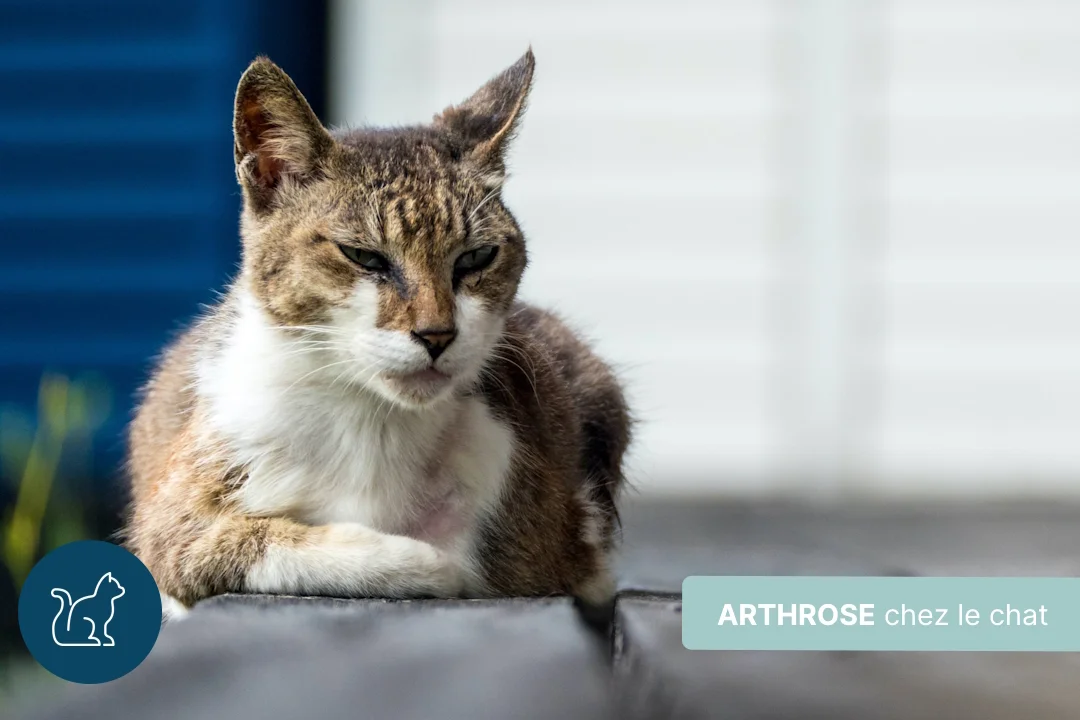
Osteoarthritis in cats: symptoms and natural solutions
05 May 2025
Read moreWhat is osteoarthritis in cats?
Osteoarthritis is a chronic, progressive joint disease caused by the progressive deterioration of the cartilage that protects the bony ends of the joints. In cats, this pathology is frequently underestimated, as these animals often mask signs of pain. It can appear as early as middle age, and affects over 80% of cats over 11 years of age. It is therefore crucial to know how to detect the first signs.
Symptoms of feline osteoarthritis
- Persistent lameness, especially after resting or in wet weather
- Difficulty jumping, climbing or moving quickly
- Change in habits: isolation, unusual aggressiveness, fewer interactions
- Reduced grooming, with a less well-groomed coat
- Significant reduction in general activity and less frequent play
Common causes
Several factors can contribute to theonset of osteoarthritis in cats:
- Natural aging, resulting in worn cartilage
- Excess weight puts extra pressure on joints
- Poorly healed trauma or old wounds
- Congenital joint anomalies or early joint disease
- A genetic predisposition specific to certain breeds such as the Maine Coon or Scottish Fold
Natural solutions to soothe your cat
A natural, holistic approach can improve your cat's joint well-being:
1. Weight control: Regular weight control is essential to limit pressure on joints. A well-balanced diet can help prevent osteoarthritis from worsening.
2. Gentle physical activity: Encourage regular but moderate movement. Interactive toys, easy-access courses and gentle play sessions are recommended.
3. Natural food supplements: Solutions such as FlexiCat, based on medicinal plants, can provide effective support without the side effects of traditional drugs.FlexiCat: natural support for feline joints
These herbs are complemented by essential amino acids such as L-Arginine, L-Lysine and Taurine. This combination acts on pain, inflammation and cartilage repair.
Conclusion
Feline osteoarthritis is a silent but disabling disease. Knowing more about it means better prevention. By keeping a close eye on your companion and opting for a natural treatment such as FlexiCat, you can prolong his comfort and mobility, even in old age. A preventive approach at the earliest signs can make all the difference to his joint health.
FAQ
At what age can a cat develop osteoarthritis?
It can start as early as age 7, but symptoms become more visible from age 11 onwards.
How does FlexiCat complementary feed help?
It provides natural support for joints, reduces pain and promotes mobility thanks to its herbal composition.
How long before I see any effects?
Improvements may appear after a few weeks of regular use.
-
 Default
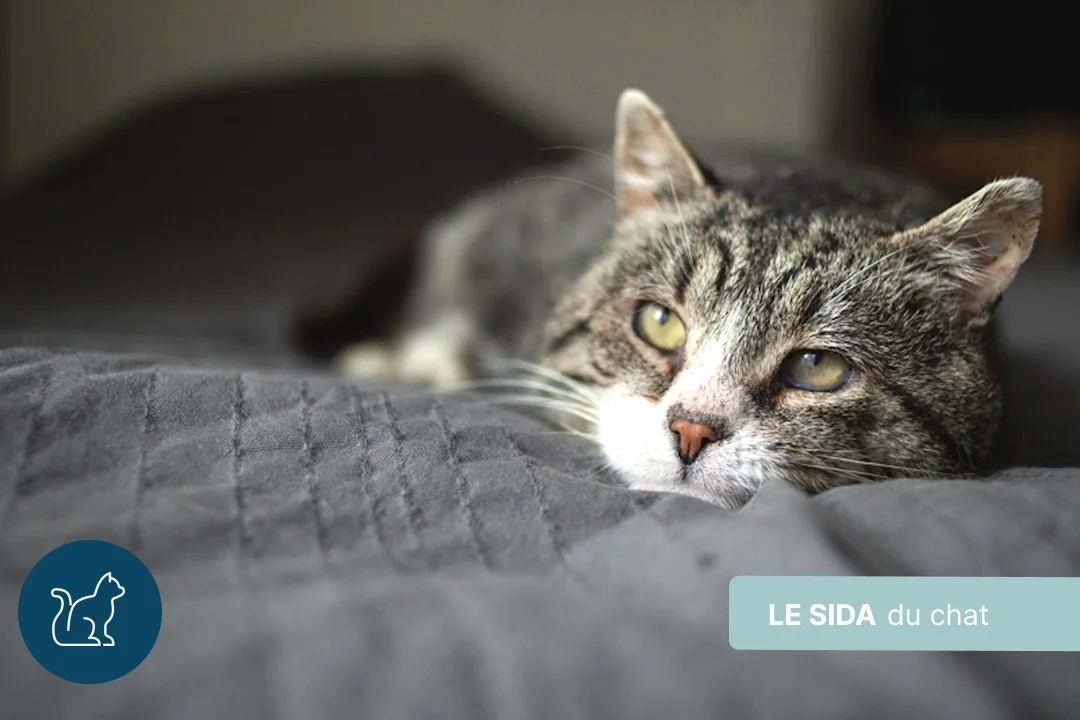
Aids in cats: understanding ivf
01 May 2025
Read moreFeline Acquired Immunodeficiency Syndrome (FIV), commonly known as "cat AIDS", is a worrying viral pathology that can affect our domestic felines. Despite its marked differences from human HIV, this disease is not lacking in striking similarities. In this article, Lore & Science tells you all you need to know about FIV in cats, exploring its causes, symptoms, diagnostic methods and management options.
What is FIV in cats?
FIV is caused by a virus called feline immunodeficiency virus (FIV). This virus belongs to the lentivirus family, like HIV in humans. It is mainly spread by deep bites during fights between unneutered male cats. Biting allows the virus to enter the animal's bloodstream. Once a cat has contracted feline immunodeficiency virus (FIV), it can remain asymptomatic for many years. This viral infection sneakily attacks the animal's immune system, primarily targeting T lymphocytes, the immune cells responsible for defending against pathogens. The result is a slow erosion of the cat's ability to cope with infections. As the seasons pass, the animal begins to develop increasingly serious health problems, revealing the progression of the disease.
How is FIV diagnosed?
One of the most commonly used means of diagnosing FIV is the antibody test. This blood test detects the presence of specific antibodies produced by the cat in response to infection with the virus. However, it should be noted that this test can give a positive result as early as a few weeks after infection, but is not reliable in kittens nursed by an infected mother, as they may have their mother's antibodies without being infected themselves.
To confirm the diagnosis of FIV, a viral RNA test can be performed. This is a molecular biology technique that detects the presence of the genetic material of the virus itself in the cat's blood. This test is more specific and reliable than the antibody test, and can help distinguish infected cats from cats carrying passive antibodies from their mother.
In some cases, further tests may be required to confirm the diagnosis. These may includeblood tests to assess the number of T lymphocytes, which are often reduced in FIV-infected cats. Urine tests may also be carried out to assess kidney function, as FIV can lead to kidney problems.
Thus, a thorough clinical examination by a veterinarian is essential to diagnose FIV. The vet will examine the cat's general condition, checking for symptoms such as recurrent infections, dental problems or swollen lymph nodes, which can be indicators of the disease.
It's important to note that the diagnosis of FIV should not be taken lightly. If a cat is diagnosed positive, it must be isolated from other uninfected cats to prevent the spread of the virus. In addition, regular veterinary follow-up is essential to monitor the cat's state of health and provide appropriate care. Although FIV cannot be cured, proper management can help maintain a cat's quality of life for many years.
How to care for and treat a cat with FIV?
The care of cats suffering from feline acquired immunodeficiency syndrome (FIV) requires a delicate and careful approach, as there is unfortunately no specific treatment to cure this viral disease. However, it is imperative to put in place measures to improve their quality of life while minimizing the risk of spreading the virus.
First of all, sterilization is the crucial first step for FIV+ cats to avoid territorial fights, potential bites, and transmission of the virus during mating. This surgical procedure also helps reduce the stress and risks associated with reproduction. In addition, it is strongly recommended that FIV cats be kept indoors, with limited exposure to the outdoors. This considerably reduces the risk of contact with other cats likely to spread the virus, as well as the risk of injury and infection.
On the care side, regular dental care, including scaling and extraction of problem teeth, is essential to maintain good oral health in FIV+ cats. Indeed, they are more likely to develop oral problems, such as gum and tooth infections.
Finally, a quality diet tailored to their specific nutritional needs can boost their immune system and help them fight off infections. Foods rich in protein and antioxidants are particularly beneficial.
Of course, close collaboration and follow-up with your veterinarian are essential. Careful monitoring of the animal's health allows for early detection of any emerging problems, and the implementation of preventive interventions. Blood tests and screening tests should be carried out periodically to assess the progression of the disease.
In summary, the management of cats with FIV relies on a combination of preventive measures, regular medical care and an appropriate diet. Although FIV cannot be cured, proper management of the disease can prolong a cat's life and improve its quality of life. If you suspect your cat may have FIV, consult your vet for screening and advice on care.
Share your experience or questions with us in the comments ↓
-
 Default
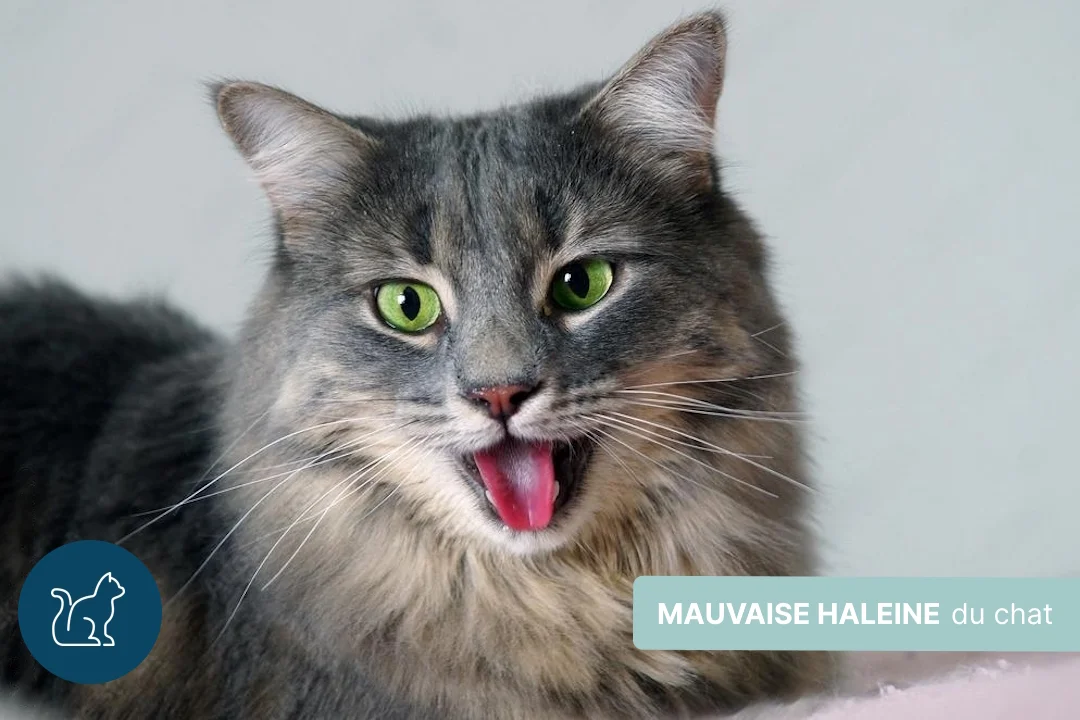
My cat has bad breath: what are the solutions?
30 April 2025
Read moreBad breath in cats, or halitosis, is a common problem that can sometimes worry owners. If the smell from your feline's mouth seems particularly unpleasant, you shouldn't ignore this sign. While some causes are benign, such as a specific diet, others may signal more serious problems with your pet's oral health. Lore & Science tells you all about bad breath in cats.
Why does my cat have bad breath? Understanding the causes
Plaque and tartar build-up
The main cause of bad breath in cats is often linked to theaccumulation of dental plaque and tartar. Plaque is a thin, sticky film that forms on your cat's teeth after every meal. It's made up of food debris, saliva and bacteria. If not regularly removed, this plaque hardens into tartar, a yellowish or brown calcified substance that builds up on tooth enamel. Untreatedtartar build-up can lead to persistent bad breath, as it encourages the growth of bacteria that produce volatile sulfur compounds, responsible for the unpleasant odor.
Dental disease: an underlying risk
Dental disease is another frequent cause of bad breath in cats. Among these, periodontitis is one of the most common and serious. This is an inflammation of the tissues supporting the teeth, often resulting from untreated gingivitis. Periodontitis can lead to tooth loss and severe pain.
Stomatitis, a generalized inflammation of the mouth, is another condition that can cause severe bad breath. It is often accompanied by severe pain, which can cause the cat to refuse to eat, leading to weight loss and generalized weakness.
Digestive problems: a less common cause
While tartar build-up and dental disease are the most common causes of bad breath in cats, digestive problems can also be responsible. For example, gastric or intestinal disorders can cause foul-smelling breath. Frequent regurgitation, vomiting or transit disorders are all signs that can accompany bad breath of digestive origin.
On the other hand, certain more serious conditions, such askidney failure, can manifest themselves as abnormally strong, ureic breath. This particular odor is due to the accumulation of toxins in the body, which the kidneys are no longer able to eliminate properly.
How to prevent and treat bad breath in cats?
Establish a regular dental hygiene routine
One of the most effective ways to prevent bad breath in your cat is to ensure rigorous dental hygiene. Brushing your cat's teeth should become a regular routine, ideally every day or at least three times a week. Use a toothbrush specially designed for pets, and a toothpaste suitable for them, as human toothpastes can be toxic to cats. Brushing helps remove plaque before it turns into tartar. However, not all cats readily accept brushing. It is therefore advisable to start this habit at an early age, so that they gradually become accustomed to it.
Consult your veterinarian regularly for descaling.
Despite all your efforts at home, it's sometimes inevitable that tartar will develop, especially in older cats. That's why regular visits to the vet are essential. During these visits, the veterinarian can perform professional scaling under anesthetic to effectively remove accumulated tartar and prevent periodontal disease.
Poor dental hygiene, the consequences for a cat's health
Neglected dental hygiene can have serious repercussions on your cat's health. As mentioned above, periodontitis is a condition that often results from poor oral hygiene. It can lead to tooth loss, making chewing difficult and painful for your feline. It can also lead to more serious infections that affect surrounding tissues such as the jawbone, and potentially cause osteomyelitis, a bone infection that is difficult to treat.
In addition to periodontitis, gingivitis- literally inflammation of the gums - is also common. If left untreated, it can lead to more serious dental problems. This can lead to dental abscesses, severe infections and even septicemia, a life-threatening systemic infection.
Conclusion
Bad breath in cats, or halitosis, is often a telltale sign of underlying disorders that deserve special attention. While the persistent unpleasant odor shouldn't be overlooked, it's essential to understand its causes, which range from plaque and tartar build-up to more serious diseases. With a good oral hygiene routine, you can preserve your feline's oral and general health. When in doubt, your first reflex should always be to consult your vet.
Share your experience or questions with us in the comments ↓
Search on blog
Last blog articles
On sale
100% natural guaranteed solutions















Secure
payment

100% plant-based
GMO-free

Made
in France

Fast
delivery

No chemical
agents

Newsletter Lore&Science
Subscribe and
Subscribe and
get 10% off