









Connexion
Create an account
Create an account
Connexion

Lore&Science's blog
Discover our range of health supplements specially formulated to support the well-being of dogs, cats, and horses, helping maintain their vitality, mobility, and overall balance every day
-
 Horse advice
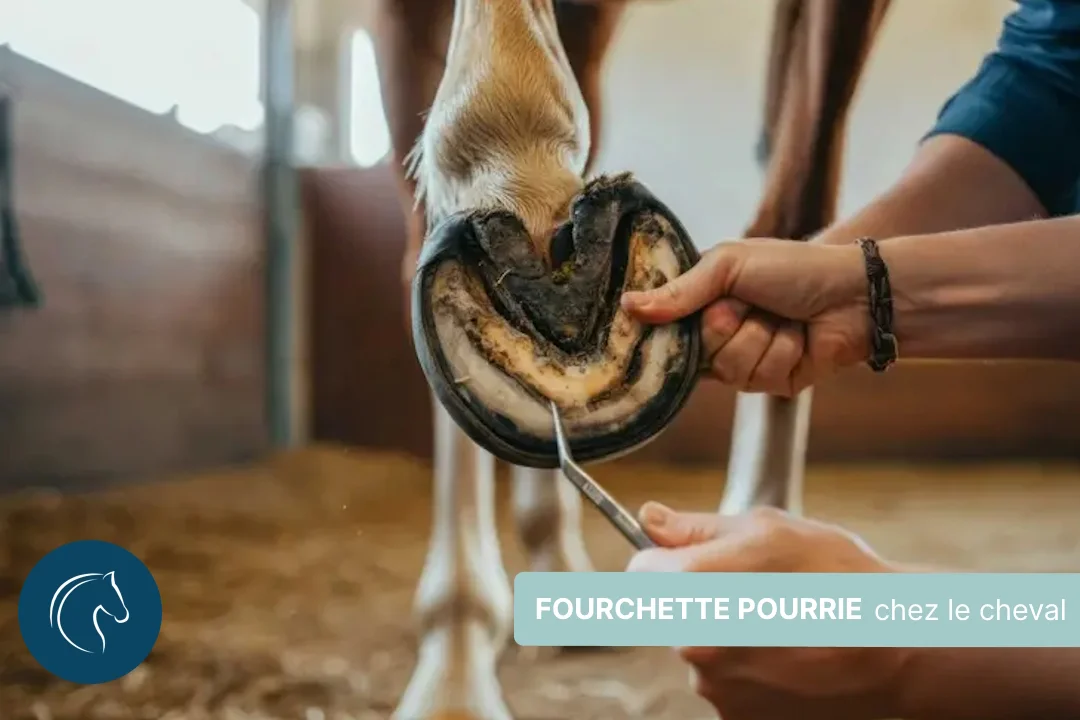
A horse's rotten fork: how to treat it?
30 June 2025
Read moreWhy does a horse suffer from a rotten fork?
Rotting fork, also known as fork rot, is a common ailment of the horse's hoof. It manifests itself as decomposition of the fork tissues, accompanied by a foul odor, pain and sometimes lameness. This pathology is mainly caused by :
- A damp or dirty environment (poorly maintained stalls, muddy paddocks).
- Lack of maintenance or regular hoof trimming.
- Weakening of local hoof immunity.
- An unbalanced lifestyle or diet.
Signs of a rotten fork in a horse
The symptoms of rotten fork are relatively simple to recognize, including:
- Strong, unpleasant foot odor.
- A soft, black or crumbly fork.
- Pain on pressure, sometimes with associated lameness.
- A dark flow in the lateral gaps.
- A reluctance to walk on certain floors.
What to do about it?
It's essential to act quickly as soon as the first signs appear to avoid aggravation. Here are the recommended actions:
- Thoroughly clean the horse's feet daily.
- Maintain a clean, dry environment.
- Consult a farrier for appropriate trimming.
- Use natural antiseptic and healing products to disinfect and support tissue regeneration.
A natural local treatment such as Lore & Science's Aseptis Balm is particularly well-suited to treating rotten frogs. Its plant-based formula promotes disinfection while respecting the hoof's natural balance.
Conclusion
Rotten forks are a common ailment, but can be prevented with simple hygiene and appropriate care. Aseptis Baume offers a natural, effective and respectful solution to support healing and prevent recurrence. Taking care of your horse's feet also means preventing more serious locomotor disorders.
FAQ
My horse lives in pasture all year round. Is it more at risk?
Yes, especially if the ground is often wet or muddy. Regular foot monitoring is essential.
Can I use bleach to disinfect?
Not recommended. It can be too aggressive. Better to opt for gentle, natural solutions like Aseptis Baume.
Can a farrier work on a rotten fork?
Yes, it plays an essential role in eliminating dead tissue and promoting healthy regrowth.
-
 Health topics , Horse advice
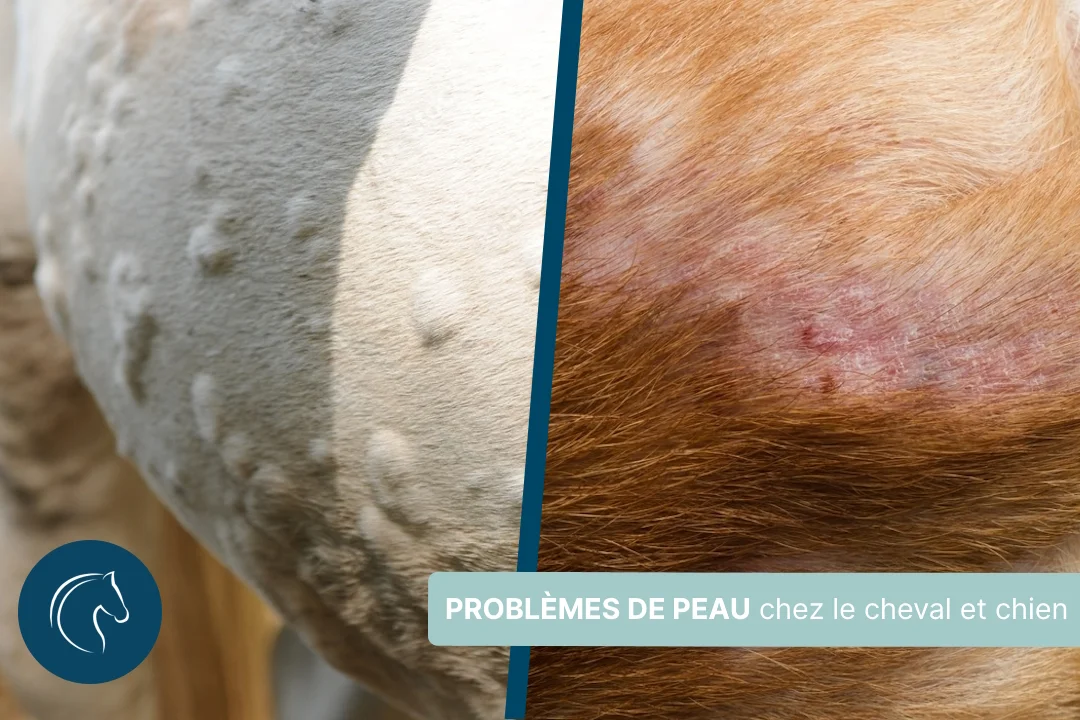
Skin problems in dogs and horses, the benefits of vitamin c
26 June 2025
Read moreHow to boost the immune system of dogs and horses prone to skin problems?
The link between the immune system and skin disease in horses and dogs is often overlooked. Yet an effective immune system acts as a shield against skin disease. A weakening of this system can then trigger a variety of dermatological disorders, from infections to complex allergies. In this article, the experts at Lore & Science explain the best ways to boost the immune system of your skin-prone canine or equine companion. The aim: optimal skin health and lasting well-being.
What is the link between the immune system and skin health in horses and dogs?
Whether we're talking about dogs or horses, the immune system plays an essential role in protecting the body against infection, allergens and disease. This includes defense of the skin, the body's largest organ, which acts as a primary barrier against external aggression.
A weakened immune system means a reduced ability to fight off pathogens. Bacteria, viruses and fungi can all cause skin infections. Without an adequate immune response, these micro-organisms multiply, leading to skin damage, inflammation and infection . There can also be exaggerated responses to common allergens, leading to conditions such as atopic dermatitis. The latter is characterized by intense itching, redness and skin irritation, further compromising the skin's integrity.
Some dogs and horses are genetically predisposed to immune weakness, increasing their risk of developing skin problems. In addition, environmental factors such as stress, poor diet and exposure to toxins can weaken them and make them more vulnerable to skin disorders.
How can I boost my pet's immune system and skin health?
There are three main areas to watch out for to ensure your four-legged friend's good health: diet, stress and preventive care adapted to his age and lifestyle.
Preventing skin disorders in horses through nutrition
In turn, horses fed the right diet are less prone to allergies and other skin diseases. A diet rich in vitamins, in particular vitamin C and vitamin PP (Niacin), helps boost the equine immune system. These vitamins, found in VitaBIO C & PP (horse)play a crucial role in protecting the skin and modulating the immune response.
Stress management and well-being
Treating and preventing skin diseases in dogs and horses
The skin is our pets' first protective barrier against many infections and diseases. When our pets are prone to skin problems and ailments, such as allergies or genetic predisposition, it's important to establish an appropriate skin care routine.
On the one hand, regular hygiene is crucial to removing dirt, debris and allergens that can irritate the skin and open the door to infection. For dogs, regular bathing with shampoos adapted to their skin type helps keep skin clean and healthy. For horses, daily grooming not only cleans the coat, but also stimulates blood circulation. On the other hand, prevention and control of external parasites (fleas, ticks and mites in particular) are fundamental to avoid skin irritations and infections. Regular use of suitable anti-parasite products is a must.
Even if your four-legged friend doesn't suffer from skin problems, taking care of it on a daily basis will help support its immune function and guard against potentially more serious conditions.
Conclusion
In conclusion, the close link between the immune system and skin health in our canine and equine friends is undeniable. A well-performing immune system acts as a shield against a multitude of dermatological disorders. Degradation of this defense can lead to a variety of problems, from simple irritations to more complex and debilitating conditions. Remember, however, that every animal is unique, and that a veterinary consultation is essential to adapt these recommendations to your companion's specific situation.
Share your experience or questions with us in the comments ↓
-
 Horse advice
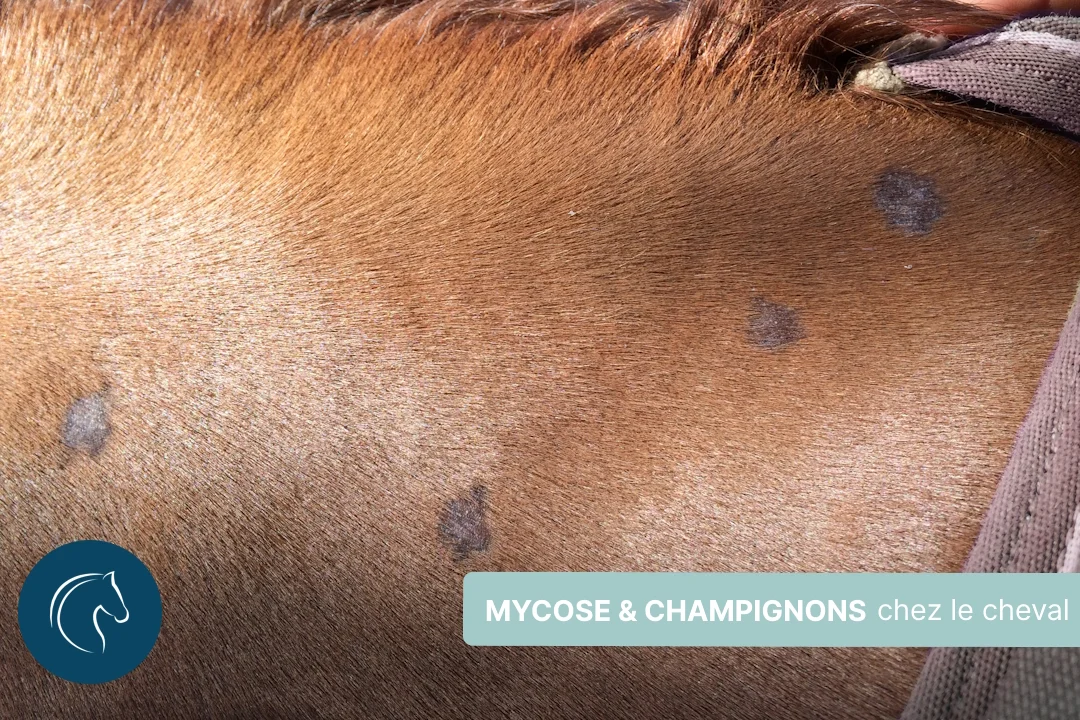
Mycosis and fungi in horses, complete guide
23 June 2025
Read moreMycoses, infections caused by microscopic fungi that are ubiquitous in the environment, pose a real health problem for horses. These fungal infections mainly affect the skin and hooves of equines, but can also invade the respiratory tract, although the latter form is rarer. In this article, Lore & Science presents a detailed overview of fungal infections in horses.
Understanding mycosis in horses
Mycoses are infections caused by microscopic fungi, often present in the environment. Environmental conditions therefore play a decisive role in their development. Unventilated stables, constantly damp floors and dirty bedding create ideal conditions for the proliferation of fungi. For example, a horse living in a stable where bedding is rarely changed is much more likely to develop fork rot. Add to this an immune system weakened by stress, inadequate nutrition or pre-existing diseases, and the animal's vulnerability to fungal attack increases considerably.
The most common types of fungal infection
Fungal infections in horses come in many forms, each with its own particularities and specific pathogens. Dermatophytosis, commonly known as ringworm, is one of the most common and contagious fungal infections. Dermatophytes Trichophyton equinum and Microsporum gypseum are the usual culprits. The condition is characterized by circular patches of falling hair, often accompanied by scaling and itching. Horses with ringworm can also transmit the infection to other horses, and even to humans, making this mycosis a particular concern in stables.
Another common form of mycosis in horses is fork rot, which affects the hooves. It's usually caused by a combination of fungi and bacteria, and thrives in damp, poorly maintained environments. Symptoms take the form of malodorous necrosis of the fork, often accompanied by lameness due to pain.
Although less common, respiratory mycosis can also affect horses. It is often caused by fungi of the Aspergillus spp. genus, and can lead to serious health problems. Affected horses may show signs of respiratory distress, persistent coughing and abnormal nasal discharge. Avoiding dusty environments and well-ventilated stables are important preventive measures to minimize the risk of this rare but serious infection.
How to treat fungus in horses
First of all, if you suspect a fungal infection in your horse, isolate it and call in your regular veterinarian. This will prevent the infection spreading to the whole stable. The treatment then prescribed will depend on the type of fungus and the severity of the situation.
Local care for mycosis
To effectively combat mycosis in horses, local care plays a crucial role. Antifungal shampoos and ointments, particularly those containing ketoconazole or miconazole, are frequently used to treat dermatophytosis. These specialized products eliminate the fungi present on the skin and prevent the infection from spreading.
In the specific case of fork rot, rigorous daily hoof cleaning is imperative. Using antiseptic solutions and products specially designed for the fork helps to disinfect the affected area and prevent the proliferation of fungi and bacteria. Applying an antifungal balm after cleaning also helps to heal and protect the fork from re-infection. This local care, combined with strict hygiene, is essential to maintain hoof health and avoid painful complications.
Systemic treatments
For severe or extensive mycotic infections, systemic treatments become necessary. Your vet may prescribe oral or injectable antifungals(griseofulvin or itraconazole). These drugs fight the infection from within, reaching the affected areas via the bloodstream. Duration and dosage depend on the severity of the infection and the horse's response to treatment.
Environmental management in the event of fungal infestation
To prevent recurrence of mycosis in horses, it's vital to keep the environment and living environment as clean as possible. Humidity, the main enemy of horses' skin and foot health, must be combated by all possible means: regular , thorough cleaning of stables to eliminate any accumulation of urine and other organic debris, well-drained floors to prevent the build-up of water and stagnant humidity, frequent bedding changes, and good ventilation of living spaces.
How to prevent horse fungus?
Share your experience or questions with us in the comments ↓
-
 Horse advice
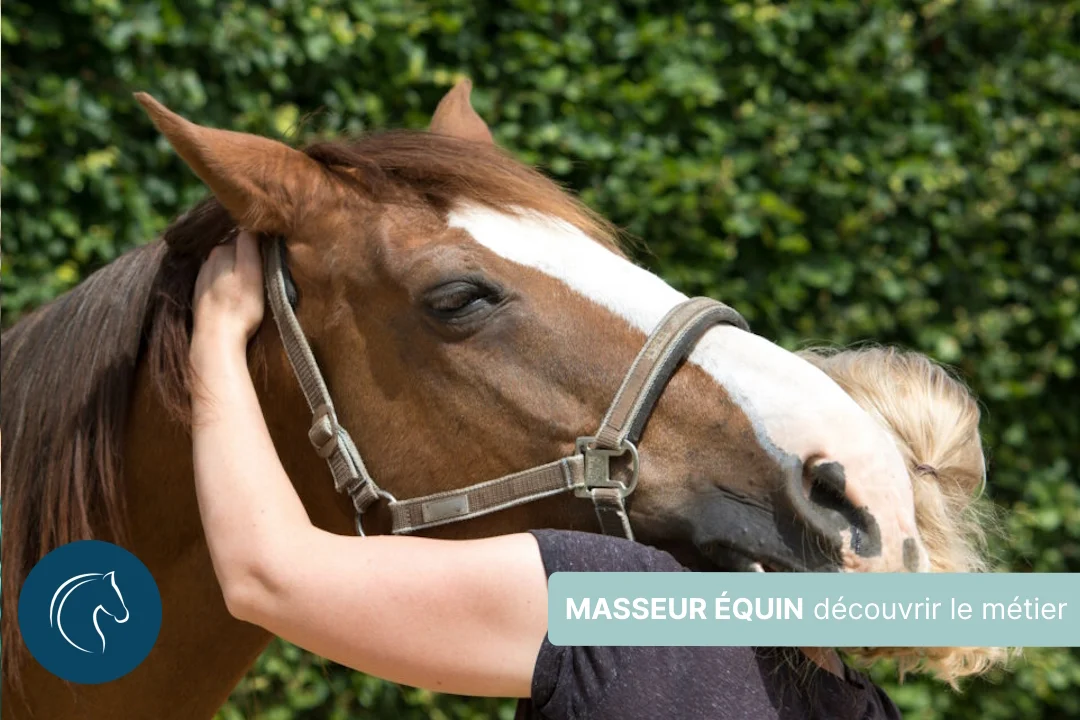
Osteopath, animal masseur - everything you need to know about these animal welfa
16 June 2025
Read moreHave you ever heard of osteopathy or animal massage? These practices are gaining in popularity and attracting growing interest from pet owners and veterinary professionals alike. These complementary disciplines offer natural, holistic solutions to improve the health and well-being of our four-legged companions. Lore & Science tells you all about these professions whose aim is the comfort of our four-legged companions.
What is an animal osteopath?
Animal osteopathy is a manual therapeutic approach aimed at restoring balance and mobility to the body structures of animals. It emerged in the early 20th century, inspired by human osteopathy founded by Dr. Andrew Taylor Still.
This discipline considers the body as a whole, focusing on the interactions between muscles, bones, ligaments, joints and organs. The animal osteopath uses gentle manipulative techniques to treat a variety of musculoskeletal, visceral and cranial disorders in animals. She can relieve pain, improve mobility and promote self-healing in horses, dogs or even cats. Targeted manipulations restore optimal range of motion, which is essential for aging animals, those with injuries or chronic illnesses.
What training do animal osteopaths have?
You can't improvise yourself as an osteopath, whether for animals or for human beings. That's why animal osteopaths must undergo 5 years of specialized training, combining sound theoretical knowledge with rigorous practical skills. This training always encompasses a number of fundamental aspects: a thorough understanding of animal anatomy and physiology, as well as a mastery of the anatomical structures and physiological systems that govern the animal body.
In addition to the theoretical aspect, training courses also include a significant practical component, essential for the future application of knowledge with animals. Future animal osteopaths learn to perform a variety of articular, visceral and craniosacral manipulations, in order to effectively treat dysfunctions and improve the mobility of animals. Learning these techniques demands precision and delicacy, as each manipulation must be adapted to the animal and its state of health. Theory and practice combine to enable osteopaths to make the right diagnosis. Indeed, students are trained to assess animals with discernment and to identify musculoskeletal dysfunctions.
Last but not least, animal osteopaths receive training in professional ethics and deontology. It can never be repeated enough, but future osteopaths must understand their legal and ethical responsibilities, and adhere to high standards of professional practice. As a reminder, since 2017, animal osteopathy can be practiced by non-veterinary osteopaths as long as they can justify skills defined by decree and are registered on a list maintained by the regional veterinary order.
Animal massage: a holistic approach to well-being
Animal massage has its origins in human massage practices, but has been adapted to meet the specific needs of animals. The practice uses stroking, friction, tapping and kneading techniques to improve blood circulation, reduce stress and promote soft-tissue healing in animals. Oriented towards the animal's physical and emotional well-being , animal massage is part of a holistic approach to the well-being of our four-legged companions. Its aim is not medical, but rather daily comfort throughout the life of dogs, cats or even horses.
What does an animal masseur do?
Animal masseur, animal massage practitioner... these names cover the same practices. These people specialize in the application of therapeutic massage techniques on animals to promote their well-being and relaxation. Their practices include a wide variety of methods well known for their application and benefits in humans: Swedish massage, reflexology, shiatsu, etc. The aim is to apply these methods to relieve muscular tension, improve blood and lymph circulation, and reduce stress and anxiety in animals.
For example, an animal masseur can intervene to help a working dog suffering from muscular overwork, or to soothe a nervous horse before a competition. However, it's crucial to note that an animal masseur's expertise in no way replaces that of a veterinarian. For any serious or persistent health problem, veterinary diagnosis and treatment remain indispensable. Animal massage is above all a complementary practice, designed to enhance the comfort and quality of life of animals in convalescence, rehabilitation or simply in search of relaxation.
Animal massage training and regulations
Unlike osteopathy, animal massage is not governed by specific laws. As a result, masseurs are not allowed to claim to be osteopaths or veterinarians, since they are practicing a completely different profession. However, anyone wishing to become a professional masseur must comply with current animal welfare legislation.
As far as training courses are concerned, there are several available, covering a variety of methods. Generally speaking, they coveranatomy and physiology, essential for applying the right massage techniques to your target animals. Practice also plays an important role, so as to acquire the right gestures and dexterity needed to apply the knowledge and methods used.
Conclusion
As you can see, osteopathy and animal massage are enriching and essential professions that contribute greatly to the well-being of animals. These holistic practices, based on manual techniques and a deep understanding of animal anatomy and physiology, offer natural solutions to improve the health and quality of life of animals. Increasingly democratized, these professions aim to improve the day-to-day comfort of our precious pets, and their development shows the growing interest of owners in these methods.
Share your experience or questions with us in the comments ↓
-
 Horse advice
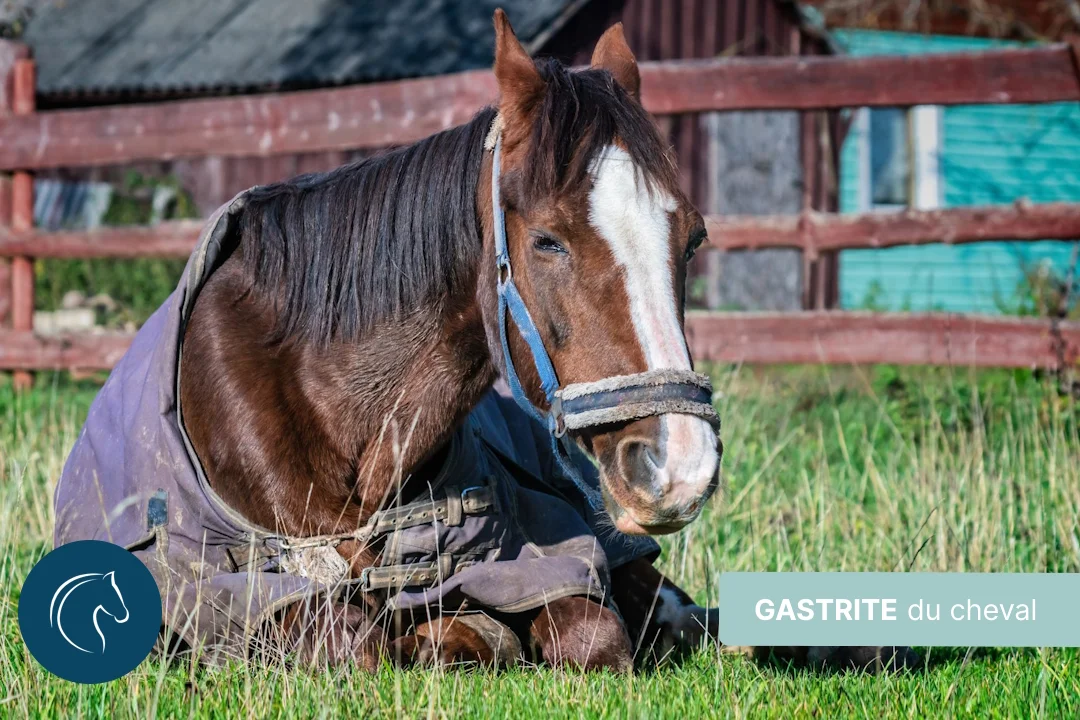
Gastritis in horses, symptoms and treatment
12 June 2025
Read moreGastritis is an inflammation of the stomach lining, relatively common in horses, which can affect their well-being, performance and behavior. In this article, we explain why a horse can suffer from gastritis, how to identify the signs and what natural solutions can help.
Why can a horse suffer from gastritis?
There are several causes of inflammation of the gastric wall in horses:
- Chronic stress (transport, change of environment, intensive training).
- Meals spaced too far apart or a diet low in fiber.
- Too many concentrates or cereals, which are acidic for the stomach.
- Excessive production of gastric acid, without sufficient mastication to buffer this acidic pH.
- An imbalance in digestive flora.
Gastritis can develop into gastric ulcer if not treated promptly.
Clinical signs to watch out for
Equine gastritis is not always easy to diagnose, as its signs can be discreet. However, certain behaviors or symptoms should raise a red flag:
- Decreased appetite or refusal to eat certain foods.
- Weight loss, even with adequate nutrition.
- Irritable behaviour, tics (such as the tic à l'appui).
- Abdominal pain: horse itches, lies down after eating.
- Counter-performance, loss of energy.
- Soft faeces or irregular droppings.
What to do about gastritis
It's essential to take action at the earliest signs to relieve the gastric mucosa and avoid complications. Here are the recommended measures:
- Split meals and ensure permanent access to good-quality hay.
- Limit concentrates and favor long fibers.
- Reduce sources of stress in the horse's environment.
- Seek veterinary advice to confirm diagnosis.
At the same time, the use of natural supplements can effectively support gastric recovery.
Gastro Support: natural support for your horse's gastric comfort
Conclusion
Gastritis is a frequent and often underestimated pathology in horses. By acting quickly, adapting diet and lifestyle and supplementing with natural solutions such as Gastro Support, it is possible to restore good gastric comfort and prevent relapses.
FAQ
Can all horses suffer from gastritis?
Yes, although certain profiles are more at risk, such as sport horses, stressed animals or those on unsuitable diets.
How can I tell if my horse is suffering from gastritis?
Signs such as loss of appetite, behavioral changes or loss of condition should raise the alarm. A veterinarian can confirm the diagnosis.
Are natural remedies enough?
They are very useful for prevention or support, but a veterinary consultation is essential in case of doubt.
-
 Horse advice
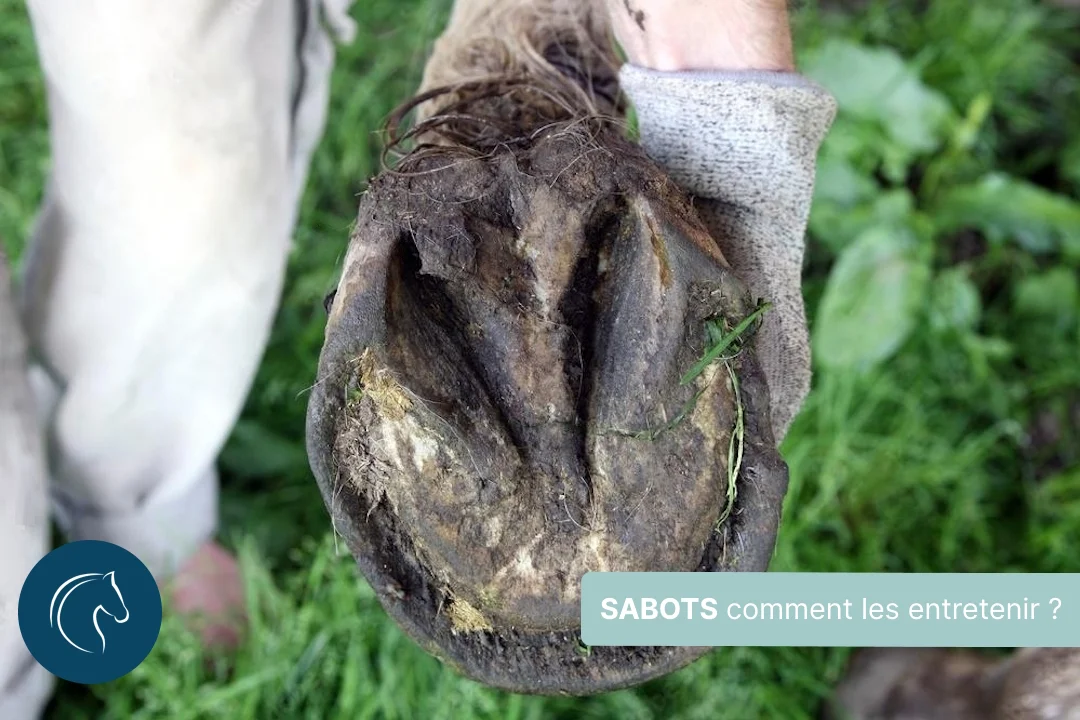
Barefoot: how to care for the hooves of horses with shoes off?
09 June 2025
Read moreThe equestrian world is witnessing a growing trend towards unshod horses, i.e. the practice of leaving horses unshod, often referred to as "barefooting". This much-debated practice is part of a more natural approach that respects equine physiology. But how do you maintain barefoot horses' hooves to guarantee their well-being and performance? Lore & Science guides you through the fundamental principles and best practices for optimal care of barefoot horses' feet.
Why opt for unshoeing?
Dehorning, or leaving horses barefoot, is based on a philosophy that aims to respect the intrinsic nature of the horse. In the wild, horses travel long distances over a variety of terrains, allowing their hooves to wear naturally and evenly. Wearing shoes, while justified in certain contexts, alters the way the horn wears and can alter blood circulation in the horse's feet. Removing shoes therefore means restoring a more natural balance. Horses without shoes often develop a harder, denser horn, capable of withstanding a variety of terrains. What's more, the absence of shoes provides more natural cushioning, which can reduce the risk of injury to tendons and joints.
Adapting the horse to bare feet
The transition from shoeing to barefoot requires a careful, gradual transition. The horse, accustomed to wearing shoes, must adapt to the new demands on its hooves. During this period, your horse may be more sensitive, especially on hard or stony ground. This sensitivity is normal and should not be confused with lameness.
To ease this transition, we recommend gradually reducing the amount of time spent working on hard surfaces, while allowing the horse to get used to different types of terrain. The use of hipposandals, temporary shoes for horses, can be a temporary solution to protect hooves while allowing a smooth adaptation.
Choosing the right plot
The ground on which an unshod horse runs plays a crucial role in hoof maintenance. Ground that is too soft or too muddy can excessively soften the horn, while ground that is too hard or stony can lead to premature wear. It's important to strike a balance and adapt outings to the quality of the terrain.
The varied soils, which alternate between sandy, grassy and stony surfaces, provide natural, balanced hoof wear. They also help to gradually strengthen the horn. However, it is essential to monitor the condition of the hooves and adjust the horse's work according to the evolution of the horn.
Hoof care basics
The importance of regular trimming
Regular trimming is the key to hoof care for barefoot horses. Trimming involves trimming and shaping the horn to maintain optimum hoof shape. Regular trimming prevents the horn from thickening too much or becoming deformed.
Trimming must be carried out by a professional farrier . It must be adapted to each horse's morphology, taking into account horn quality, hoof shape and the type of terrain in which the animal is used. In general, trimming is recommended every six to eight weeks, although this frequency can vary according to horn growth.
Moisturize and nourish horn
Another fundamental aspect of hoof care is the hydration and nutrition of the horn. A dry horn is more likely to crack or break, which can lead to infection or lameness. To maintain a healthy horn, regular hydration is essential.
There are several ways to moisturize hooves. One of the simplest is to regularly soak the horse's feet in water, especially in dry weather. Specific ointments or oils can also be applied to nourish the horn and prevent dryness. Be careful, however, not to overuse them: a horn that's too soft can be just as problematic as one that's too dry.
Prevent infections and abscesses
Barefoot horses, especially when going through a period of adaptation after shoeing, can be more susceptible to infections and abscesses. The latter are often caused by foreign bodies penetrating the horn and creating pockets of pus. Good hygiene is essential to prevent these problems.
It's important to clean hooves daily, removing any dirt or stones that may be lodged in them. The use of a hoof pick is indispensable for this task. In addition, regular inspection enables any abnormality to be detected early, such as cracks or areas of softer horn, and action to be taken before the problem worsens. If the horse shows increased sensitivity on hard or rough surfaces, this may indicate that the horn is not sufficiently thick or hard.
Conclusion
Maintaining a barefoot horse's hooves takes time, observation and expertise. It's a commitment to the animal's well-being, requiring a thorough understanding of hoof physiology and the specific needs of each horse. When properly managed, dehorning can offer many benefits, including improved foot health and a more natural gait. However, the success of this approach depends on rigorous maintenance, appropriate trimming and constant attention to the horse's needs.
Share your experience or questions with us in the comments ↓
-
 Horse advice
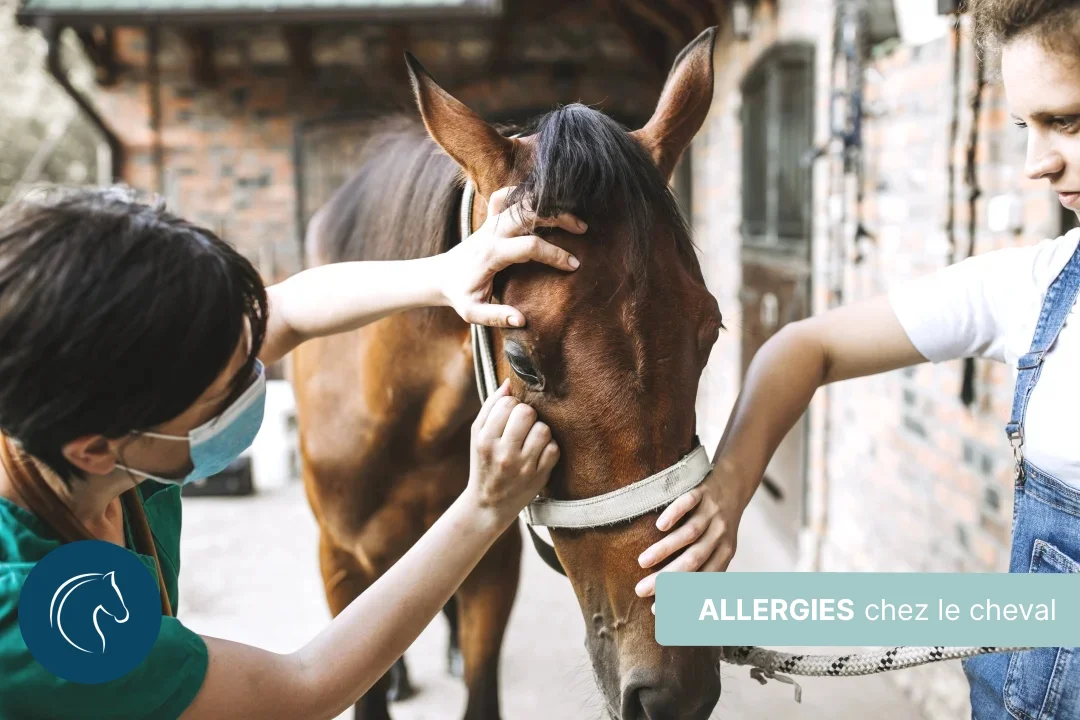
Allergies in horses: how to treat them?
02 June 2025
Read moreAllergies in horses are common, but difficult to diagnose. They can have several origins: pollen, dust, feed, insects or even medication.
What are the signs to look out for? How can you effectively relieve your horse's symptoms naturally? Discover the keys to understanding equine allergies, preventing them and treating them with Allergo Stop natural supplement.
Why can a horse suffer from allergies?
Allergy is an exaggerated immune system response to a foreign substance: the allergen. In horses, this reaction can be triggered by :
- Exposure to pollen, dust or mold spores
- Ingestion of certain foods or additives
- Insect bites
- Taking medication, especially certain antibiotics
- If left unchecked, these reactions can lead to lesions, respiratory, digestive or skin disorders.
What are the symptoms of allergy in horses?
Allergic symptoms can vary from one horse to another. Here are the most common:
- Eye symptoms: excessive tearing, swelling, redness.
- Respiratory difficulties: coughing, wheezing, loss of energy, asthma-like attacks.
- Skin problems: hives, itching, summer dermatitis, scabs.
- Digestive disorders: diarrhea, loss of appetite, mild colic.
- Runny nose, frequent sneezing.
When faced with these signs, prompt treatment is essential.
When and why use a natural supplement?
At the very first signs of allergy, natural support can provide effective relief without side effects. Herbal and essential oil-based products such as Allergo Stop act on several levels:
- Reduced inflammation
- Airway support
- Soothes itching
- Strengthening local immunity
They are particularly suitable for horses prone to seasonal or environmental allergies.
Allergo Stop: a natural aid for allergic horses
Conclusion
Allergies in horses are often chronic and uncomfortable. By identifying symptoms early and adopting a natural solution like Allergo Stop, you can significantly improve your horse's comfort. Preserving the environment, avoiding allergens and choosing the right care are the cornerstones of good management.
FAQ
My horse only coughs in summer. Is it an allergy?
Yes, it could be a seasonal allergy linked to pollen or dust. The best thing to do is to consult your vet as soon as possible.
Can I use Allergo Stop as a preventive measure?
Yes, it can be given as a preventive treatment before high-risk seasons (spring, summer), but we recommend the following background support Allergo Protect (granules) as a preventive treatment.
How long does it take to see the effects of Allergo Stop?
In general, the first effects are felt quickly, within the first few days of use.
Is this supplement doping?
No, Allergo Stop is certified non-doping, contains no prohibited substances and is suitable for competition horses.
-
 Horse advice
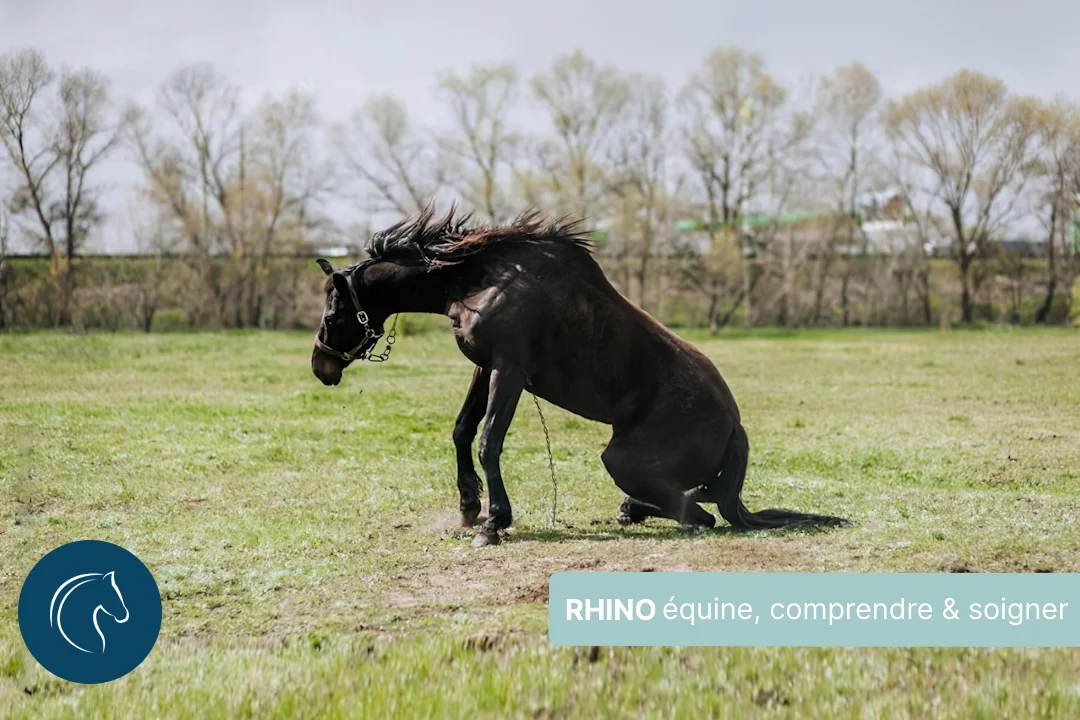
Understanding and treating rhino, or viral herpes, in horses: a complete guide
02 June 2025
Read moreMost horses are exposed to theequine herpes virus during their lifetime.Viral herpes, more commonly known as rhino, is caused by the EHV virus. Highly contagious, rhino primarily affects the respiratory tract, but can also have devastating neurological and reproductive effects. In this article, Lore & Science tells you all about rhino: its symptoms, its impact on a horse's health, and the natural and medical ways to strengthen our equidae's natural defenses against this invisible threat.
EHV-1 and EHV-4: The different forms of viral herpes
There are several types of EHV, but the two most frequently encountered areEHV-1 andEHV-4. The first of these, EHV-,1, is of major concern because of its particularly severe clinical repercussions. This virus not only causes respiratory diseases, but alsoabortions in mares anddebilitating neurological disorders such as myeloencephalopathy. This often feared neurological condition can lead to partial or total paralysis, or even death in the most severe cases.
In comparison, EHV-4, although less virulent than its counterpart, remains a source of concern. The latter manifests itself mainly through respiratory infections, affecting foals and young horses in particular. The symptoms it causes, often likened to those of a cold, can nevertheless considerably weaken a horse, compromising its vitality and natural resistance. The general weakening of the organism it induces opens the way to other infections, accentuating the need for appropriate preventive measures to protect the youngest equine populations.
How is equine rhino transmitted?
It's important to remember that the rhino virus is spread by direct contact between horses, or via contaminated surfaces such as water buckets, racks, or even the clothing of people in contact with infected horses. Viral episodes can therefore be more easily triggered in environments where horses are in close contact: stables, riding schools, or during competitions, for example. Early recognition of rhino symptoms is therefore essential to prevent the spread of the virus and to provide the necessary care.
What are the symptoms of rhinitis in horses?
Clinical manifestations of rhino may vary depending on the form of infection (respiratory, neurological or reproductive), but certain symptoms are common.
Respiratory symptoms
The first signs of rhinopneumonia virus infection in horses often manifest as a sudden high fever, often accompanied by marked lethargy and reduced appetite. These initial symptoms are rapidly followed by the appearance of a nasal discharge, initially clear, which may progress to a thicker, purulent secretion as the infection worsens. Coughing, usually dry and persistent, then becomes a recurrent symptom, and in the most severe cases, the horse's breathing may become labored, indicating that the infection has reached the deep respiratory tract.
Neurological symptoms
The neurological manifestations of EHV-1 are particularly worrying, requiring urgent veterinary intervention. One of the first indications is ataxia, where the horse loses its coordination, resulting in a hesitant, stumbling gait. This is often accompanied by weakness of the hind limbs, making it difficult to maintain a standing position, to walk, or even to stand up after lying down. In the most severe cases, partial or complete paralysis can occur, and unfortunately, this can be irreversible. Another telltale symptom isurinary incontinence, which betrays a deeper involvement of the nervous system.
Reproductive symptoms
EHV-1 infection also poses serious reproductive risks, particularly for pregnant mares. One of the most dramatic consequences is abortion, often occurring late in gestation, or the birth of weak foals that succumb shortly after foaling. What's more, the infection can lead to temporary infertility in some mares after the viral episode.
How is rhino diagnosed?
The first thing to do if you suspect viral herpes in your horse is to contact your veterinarian. Only he or she can diagnose equine rhinopneumonitis, after assessing clinical symptoms and performing specific laboratory tests. A PCR (polymerase chain reaction) test usually detects the presence of the virus in the horse's nasal secretions or blood, while serological tests measure the animal's immune response. This comprehensive diagnostic approach is essential to confirm the presence of equine viral herpes and adapt treatment accordingly.
The link between rhino and sarcoid in horses
Sarcoid is a common skin tumor in horses, the exact etiology of which remains uncertain, although some researchers suspect a link with viral infections, notably equine viral herpes. The herpes virus, by weakening the horse's immune system, could create a breeding ground for the development of sarcoids, although this hypothesis still requires further research to be confirmed. The weakening of the horse's natural defences, induced by recurrent viral episodes, could allow the bovine papilloma virus, often associated with sarcoids, to establish itself and proliferate. This interaction between viral herpes and the development of sarcoids underlines the importance of vigilance in the management of viral infections in horses.
How is equine herpes treated?
There is no specific remedy for equine viral herpes, but there are a number of things that can be done to alleviate the symptoms and improve the horse's chances of recovery. First of all, complete rest is essential to allow the animal to recover fully. At the same time, a balanced diet, rich in fiber and essential nutrients, helps support the horse's natural defenses.
Conclusion
In conclusion, rhino, or equine viral herpes, remains a threat to equine health, due to its highly contagious nature and potentially devastating effects on the respiratory, neurological and reproductive systems. Vigilance and responsiveness to early signs of the disease can make all the difference. Although curative treatment of rhino is limited, a preventive and comprehensive approach, combining medical care and nutritional support, can go a long way towards limiting the impact of this disease on equine populations.
Share your experience or questions with us in the comments ↓
Search on blog
Last blog articles
On sale
100% natural guaranteed solutions















Secure
payment

100% plant-based
GMO-free

Made
in France

Fast
delivery

No chemical
agents

Newsletter Lore&Science
Subscribe and
Subscribe and
get 10% off