









Connexion
Create an account
Create an account
Connexion

Lore&Science's blog
Discover our range of health supplements specially formulated to support the well-being of dogs, cats, and horses, helping maintain their vitality, mobility, and overall balance every day
-
 Default
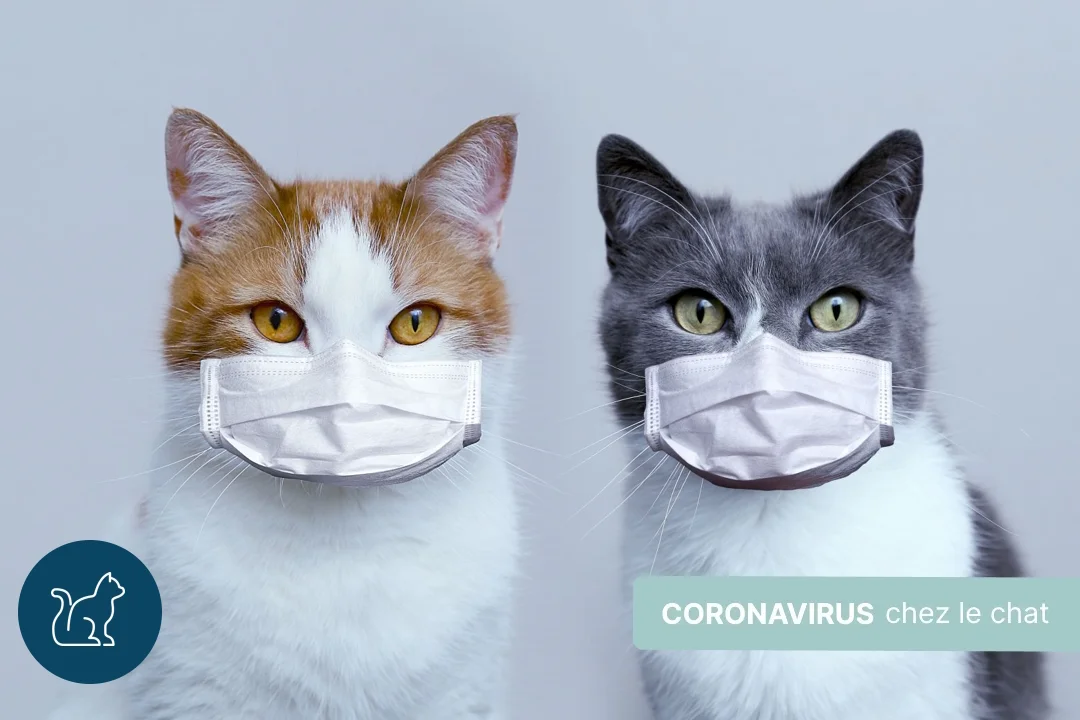
Coronavirus in cats: infections, symptoms, transmission
06 January 2025
Read moreRNA corona viruses have always existed in cats.
The cat can be infected by two strains of coronavirus which, rest assured, are not transmissible to humans.
➤ FECV(Feline Enteric Corona Virus), which is 95% present in the feline population, causes small passages of diarrhea. It is not serious or even asymptomatic.
➤ FIPV or FIP (Feline Infectious Peritonitis) is a mutation of FECV.
FIP, a mutant virus that is extremely dreaded in catteries and homes.
FIP, a mutant of the benign strain, is hyper-virulent because it is able to penetrate the cells involved inimmunity. This is why it causes long-lasting infections, its replication is 10 to 100 times greater than that of FECV.
There are two forms of FIPV:
➤ The dry form
also known as the nodular form, which is a formation of numerous small inflammatory nodules in various organs: liver, pancreas, spleen... These nodules may also be present in the lymph nodes.➤ The moist form
which creates the accumulation of a yellow-brown secretion in the thoracic, abdominal or pelvic cavity caused by the inflammatory process of the serous skins lining the inside of the body.Identify the symptoms of FIPV
FECV results in mild diarrhea and some fever, while FIPV causes a multitude of symptoms and severe health problems such as:
- A general state in free fall
- Severe spikes in fever
- Abnormal fatigue,
- Abdominal swelling along with weight loss
- Breathing difficulties
- Paralysis, coordination problems
- Mucous membranes of the eyes and mouth may become yellowish
- The cat can suffer from dehydration
- Ophthalmological abnormalities...
Of course, your veterinarian will be able to confirm or deny a FIP infection through various tests.
Some cats are more at risk than others depending on their age, breed, lifestyle and sex.
In general, 5% of cats with FECV will develop FIPV.
➤ 53% of infected cats are pedigree cats. It is certain that the viral pressure is more important in breeding, however the probability of a genetic sensitivity is not to be excluded
A 2004 study suggests a genetic sensitivity and according to the same study, the most prone breeds are : Abyssinians, Bengals, Birmans, Ragdolls and Rexes.
➤ Males would also be more affected than females
➤ High prevalence between 6 and 24 months of age and in cats older than 7 years. The problem is rare in kittens under 6 months of age, probably due to maternal antibodies
➤ Lifestyle seems to have an impact on the incidence of the virus. Indeed, it affects 84% of show cats versus 28% of home cats.
The modes of transmission of the NIF
➤ Fecal matter
➤ Urine
➤ Oro-nasal secretions
Allopathic treatments and/or vaccination
Currently, allopathic treatments for FIP are only palliative.
The development of a vaccine is very complex and cannot deal with all the strains, of which there are many.
Vaccines have been developed but they have not provided any real protection and have even caused a faster death in vaccinated animals.
However, there is a vaccine marketed in the US and in some European countries. However, it has not been granted MA (Marketing Authorisation) in France.
Has your cat had coronavirus? Share your experience with us in the comments ↓ -
 Default
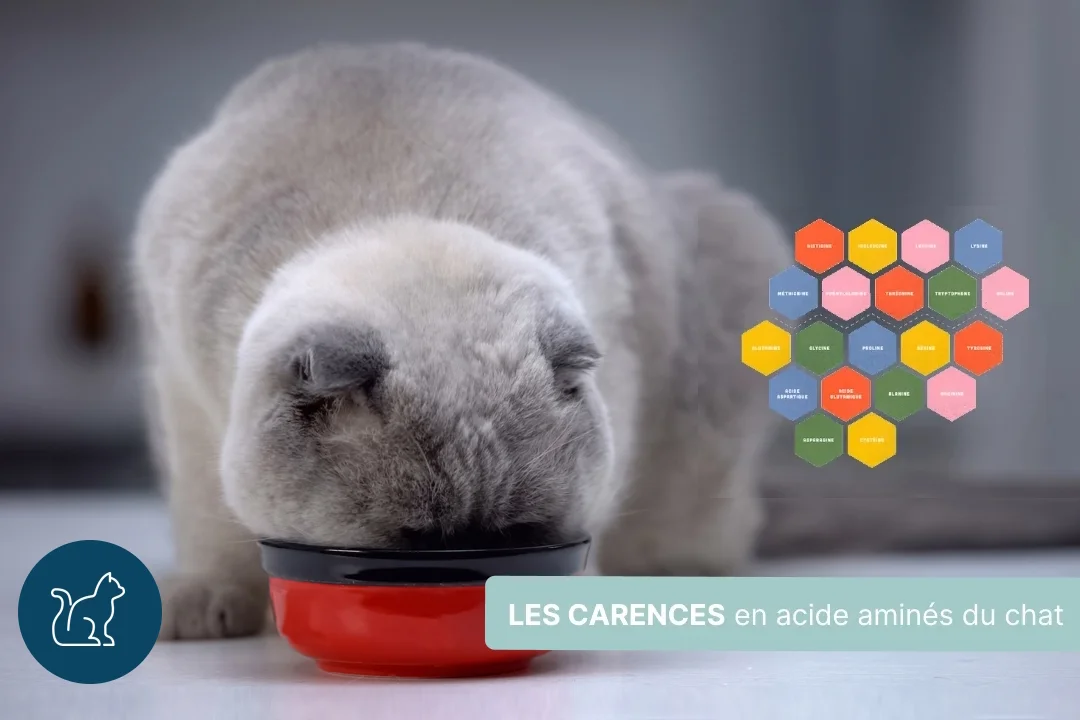
Amino acids and deficiencies in cats: taurine
01 January 2025
Read moreWhat are amino acids?
Amino acids are the basic constituents of proteins, their association allows to realize more or less long protein structures. Some proteins are composed of a few amino acids while others are composed of several tens.
NB: the good proteins that should be found in the cat's food are made up of a chain of 10 amino acids.
What is the difference between essential and non-essential amino acids?
Non-essential amino acids are those amino acids that are produced by the cat's body, such as :
➤ A lanine
➤ Asparagine
➤ Aspartate
➤ Cysteine
➤ Glutamate
➤ Glutamine
➤ Glycine
➤ Proline
➤ Serine
➤ TyrosineAs for the essential amino acids, the cat's body cannot produce them, which is why it is imperative that it find them in its food or in supplements:
➤ A rginine
➤ Histidine
➤ Isoleucine
➤ Leucine
➤ Lysine
➤ Methionine
➤ Phenylalanine
➤ Threonine
➤ Tryptophan
➤ ValineFor both dogs and cats, these 10 essential and 10 non-essential amino acids are identical.
But for the cat, it needs an essential amino acid in addition: taurine.
Indeed, if the dog's body produces this amino acid, the cat is not able to produce taurine. Therefore, taurine is a non-essential amino acid for the dog but essential for the cat.
Taurine, an essential amino acid that is more than necessary for cats.
This is how taurine contributes to a cat's good health:➤ Reproduction
➤ Heart
➤ Eyes
➤ MusclesNo non-essential amino acids without essential amino acids, why?
Yes, because only when there is no deficiency in essential amino acids can the cat's body produce its 10 non-essential amino acids.
No protein without amino acids.
In the diet, these amino acids are found in proteins and are not directly available. Once digested, the proteins release the amino acids which then pass into the bloodstream. According to the needs, new amino acids, which are assembled to form proteins, are then manufactured.
This cycle of production of new amino acids and proteins takes place continuously, which is why it is essential for the body to find all the essential amino acids it needs every day.
What are proteins used for?
Proteins are the basis of enzymes, which are substances necessary for body functions and help prevent diseases.
Although both cats and dogs need protein and amino acids, cats need them more because they break down protein much faster. It is impossible for the cat's body to adapt by slowing down the rate of breakdown when there is a lack of protein in the diet.
Proteins are essential to the cat's skeleton.
Proteins are structurally involved in :➤ bones
➤ muscles
➤ skin
➤ tendons
➤ joints and ligaments
➤ collagen ...Proteins also play a functional role in the production of:
➤ enzymes
➤ hormones
➤ antibodies ...How to cover the cat's needs in essential amino acids?
Share your experience or question with us in the comments ↓
Search on blog
Last blog articles
On sale
100% natural guaranteed solutions











Secure
payment

100% plant-based
GMO-free

Made
in France

Fast
delivery

No chemical
agents

Newsletter Lore&Science
Subscribe and
Subscribe and
get 10% off