






Connexion
Create an account
Create an account
Connexion

Lore&Science's blog
Discover our range of health supplements specially formulated to support the well-being of dogs, cats, and horses, helping maintain their vitality, mobility, and overall balance every day
-
 Dog advice
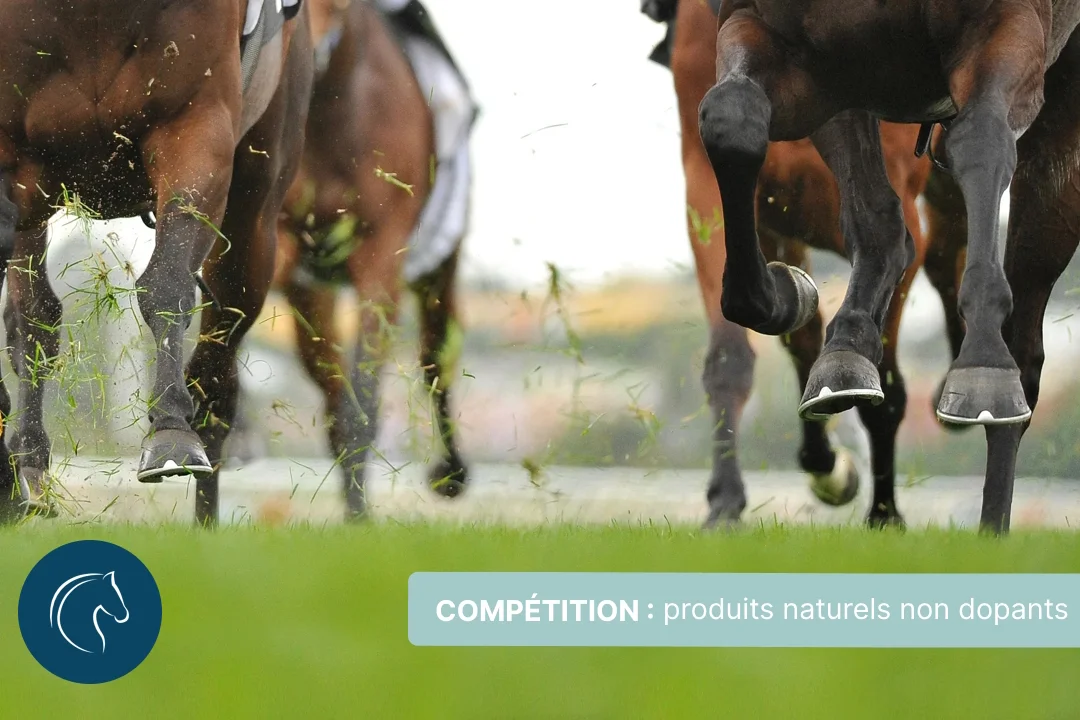
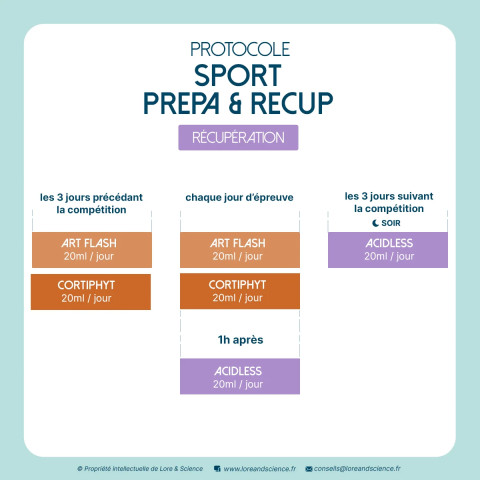
Equestrian competitions: our non-doping supplements
30 March 2025
Read moreWhat is animal doping?
Just like in humans, doping does not spare animals. The subject is very topical, but it is not new, as it was mentioned years ago.
This illegal practice is taken very seriously by the official bodies and is even increasingly reinforced by anti-doping tests.
Doping consists of administering substances to an animal to artificially increase its performance during a competition. It can also consist in masking the use of products that boost the animal's capacities.
The animals most affected by doping are horses, dogs and even fighting bulls. However, the controls are more focused on the equestrian world.
It is important to know that the substances sanctioned by the law can be administered involuntarily. It is therefore not systematically an intentional fraudulent act.
Examples include food contamination or a longer disposal time for veterinary drugs.
Prohibited substances and anti-doping procedure
Among the substances prohibited by law in dogs and horses are several items:
- The doping substances act on the immune, cardiovascular, respiratory, digestive and musculoskeletal systems of the animal. Non-steroidal anti-inflammatory drugs account for nearly 60% of positive tests. They help boost the body and limit the feeling of fatigue.
- Physical modification procedures that may impact physical ability. Examples include nasal surgery in horses to improve breathing, or neurectomy, which involves cutting certain nerves to remove pain.
- The use of elements that mask the use of doping products. For example, it can bediuretic elements that promote the elimination of doping molecules through the urine.
It is possible to consult the complete list of doping products by asking the veterinarian for advice.
And what about anti-doping controls to combat fraud?
Generally speaking, they include an interview with the person in charge of the dog or horse, samples such as blood and urine, and a medical examination if the vet deems it necessary.
Some good anti-doping practices
Even if many products are incompatible with the world of horse and dog racing, it is possible to combine sporting activities with certain harmless substances.
- Food: check the composition of food to ensure that it does not contain any illegal substances such as caffeine or theophylline. It is especially important not to store food next to medication. During competitions, use only personal food and your own food accessories.
- Medication: respect the elimination time of the substances recommended by the veterinarian. In case of doubt, do not hesitate to carry out a control test beforehand.
Natural non-doping products for competitions
It is understandable that owners would like to improve the physical abilities of their sporting animal, whether it is a dog or a horse.
However, this is not a good way to proceed as the penalties can be very severe and it can also affect the health of the animal.
Fortunately, there are natural solutions to boost performance without resorting to doping. Herbal medicine can be an excellent alternative to doping products.
For horses
For dogs
Dog sports such as cani-cross or greyhound racing expose the animal's body to permanent stress.
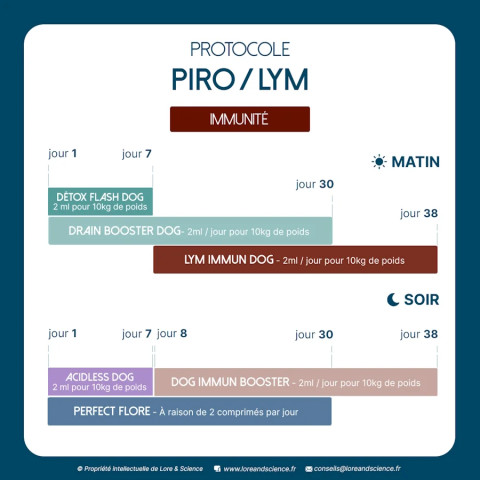
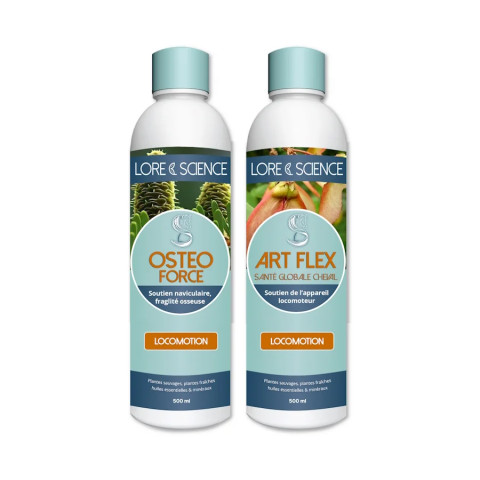
In order to promote general well-being, it is important to take care of the musculoskeletal system. To meet this need, there are non-doping food supplements that help maintain the health of joints and ligaments.
Similarly, vitamins can be taken to strengthen the immune system of the sporting dog. Also, they are great to fight against the appearance of deficiency.
You have questions or want to share your experience, react in the comments ↓
-
 Dog advice
Chinese medicine and animals: the role of organs
29 January 2025
Read moreChinese medicine is a health care method that has been around for over 5000 years. It is based on a deep understanding of the relationship between body, mind and environment. According to its precepts, health is the result of the balance between the opposing forces of yin and yang, and the free flow of vital energy, called Qi, through the meridians of the body. Moreover, each organ is linked to an organic and a psychic function. This traditional method can also be applied to our animals. Horses, dogs, cats, in this article, Lore & Science explains how Chinese medicine can help you better understand your pet's health.
Vital organs in Chinese medicine for horses, dogs and cats
In horses, dogs and cats, the vital organs are the same as in humans: the liver, the heart, the "digestive system"(spleen and pancreas), the lungs and the kidneys. We decipher for you the roles of the different organs and their impact on the body of our pets according to Chinese medicine.
The liver, "general" of the animal body
According to the principles of Chinese medicine, the liver is considered the "general" of the body in horses, dogs and cats. This major organ has a great influence on the animal's blood circulation, digestion and mood. In fact, the liver regulates the free flow of energy throughout the body, which allows for optimal distribution of nutrients and oxygen. In addition, a healthy liver can help regulate the animal's metabolism, nervous system and immune system. However, if it is unbalanced or weakened, the animal may suffer from digestive disorders, colic, or even depression. These symptoms can greatly affect the animal's quality of life and make treatment difficult.
To maintain the health of your pet's liver, it is important to feed your pet a balanced and healthy diet with foods rich in antioxidants. In addition, it is important to protect your pet from excess toxins and medications, as these substances can affect liver function and cause liver damage.
The heart, responsible for emotions in Chinese medicine
The heart, in animals as in humans, is the organ that controls blood circulation. According to Chinese medicine, it is also responsible for emotions and feelings. If the heart is healthy, your dog, cat or horse will be happy, full of energy and have good blood circulation. However, if the heart is weak, your pet may suffer from fatigue, loss of appetite, coughing and other heart problems.
To maintain your pet's heart health, it is once again important to give him a balanced diet, but also to exercise him regularly and to avoid excessive stress.
The lungs, in control of breathing, skin and hair
According to the principles of Chinese medicine, the lungs are considered one of the most important organs of the animal body. They are responsible for breathing, of course, but also foroxygenating the blood andeliminating waste. In addition, they play a crucial role in regulating the skin and hair of our companions. Healthy lungs contribute to regular breathing and a beautiful coat. However, if this vital organ is weakened, the animal can suffer from coughing,shortness of breath, bronchitis,allergies and skin problems.
To maintain lung health in your dog, cat or horse, it is still essential to provide a balanced diet rich in nutrients to support lung function. Avoid processed and industrial foods loaded with chemical additives and saturated fats, which can contribute to lung inflammation and cause respiratory disease. Finally, protect your pet from cigarette smoke, air pollution and other irritants.
The kidneys, organ of vital energy
The kidneys are responsible for the filtration of toxins in the body. According to Chinese medicine, they are the most important organ for the production and storage of vital energy, or "Qi". They are also responsible for growth, reproduction and aging. If the kidneys are healthy, the animal will have strong bones, good general energy and good teeth. However, if they are weakened, the pet may suffer from urinary problems, fatigue, weakness, joint pain and bone problems. To maintain your pet's kidney health, keep it hydrated by providing enough fresh water.
The digestive system of animals in Chinese medicine: pancreas and spleen
The pancreas and spleen, also known as the digestive system, are vital organs responsible for digestion and food processing. According to Chinese medicine, they also play an important role in theproduction of vital energy and the regulation of blood. When the pancreas and spleen are healthy, the animal has efficient digestion, high energy and good blood circulation. On the other hand, an imbalance of the pancreas and spleen can cause digestive problems, fatigue and circulation problems.

Treating your pet according to Chinese medicine
According to Chinese medicine, the organs are in charge of the health of our animals. So, to take care of their health and balance, here are some general recommendations that you can implement on a daily basis, whether you are the proud owner of a dog, a cat or even a horse.
First of all, it is essential to give your pet a balanced, quality diet that promotes the health of all organs. It is also recommended that you feed your pet according to its temperament and health status, as some foods may be more beneficial to some animals than others. In addition to food, avoid toxins, chemicals and pollutants. You can also regularly offer your pet a detoxification or drainage treatment to support its immune system.
Another point is to keep your pet as free as possible from excessive stress, which can cause damage to its organs, especially the liver and kidneys. It is important to minimize his daily stress by providing a stable and calm environment.
Combine these recommendations with regular exercise. In general, exercise is good for your pet's health, including the health of its organs. According to Chinese medicine, it helps improve the flow of energy and blood in the body.
In short, Chinese medicine can offer new and interesting perspectives on pet health and wellness. By understanding the connections between the organs and the different aspects of your pet's life, you can help maintain its overall health and prevent disease.
React or ask your questions in the comments ↓
-
 Dog advice
Treating animals with medicinal plants
24 January 2025
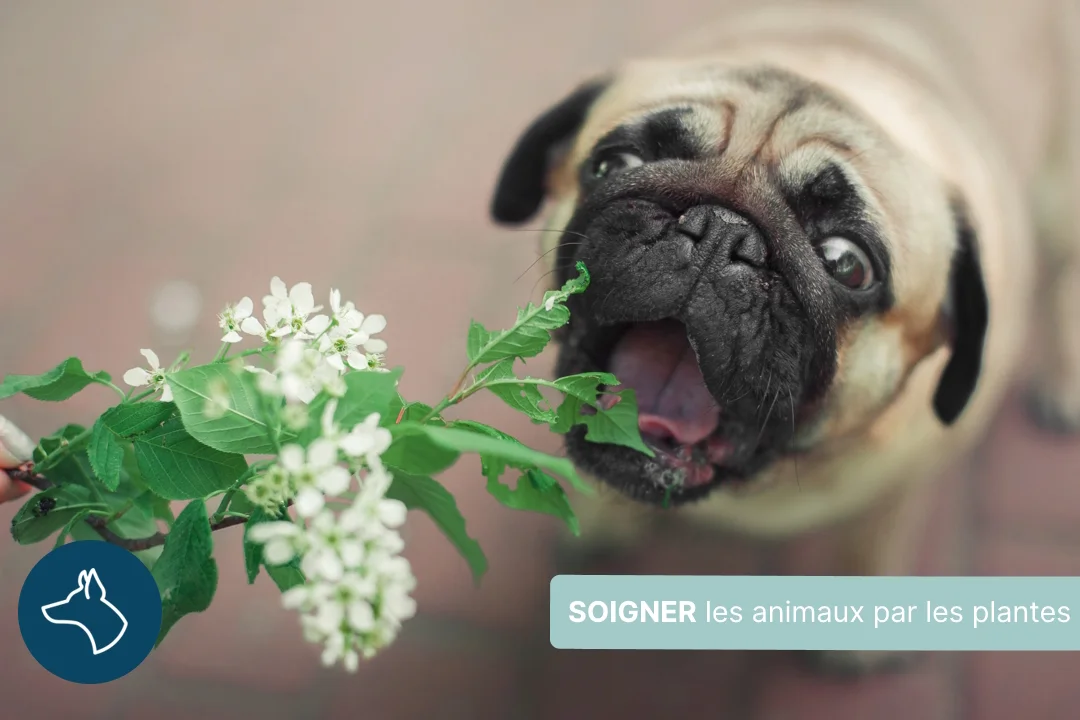
Read morePhytotherapy or the art of healing with plants is ideal for treating ailments in humans and animals. Among the various disorders, we find skin lesions, respiratory difficulties or behavioral problems.
It is a 100% natural medicine that can provide plants in the form of powder, hydrolate and essential oil for external use.
Veterinary products also use the molecules of medicinal plants, thus offering an alternative to so-called conventional drugs. Today, their use is increasingly finding its place in the therapeutic sphere.
What is herbal medicine?
Phytotherapy is a medicine that allows to treat some diseases thanks to the therapeutic virtues of plants. The whole plant or only certain parts such as the stem, leaves, flowers, roots, buds or seeds can be used.
Similarly, animal phytotherapy has very ancient origins. For centuries, humans have been treating their animals with medicinal plants. The interest of such an application lies in its short and long term efficiency.
Depending on the pathology, phytotherapy can replace conventional veterinary medicine or supplement basic treatments. The chemical constituents of many medicinal plants are used in the manufacture of products for the pharmaceutical industry.
The use of medicinal plants in the veterinary field comes from theobservation of the behavior of animals in their natural environment. Who has never seen a cat grazing on grass from the garden to clean its stomach of ingested hair? This grass allows to reject gastric juices as well as the agglutinated hairs in order to free the stomach.
When should medicinal plants be used in animals?
Before starting to implement phytotherapy, it is essential to diagnose the health problem that your animal is experiencing. For this, you will need to call upon the expertise of your veterinarian.
This natural medicine for animals allows the treatment of disorders ranging from a simple cold to more serious illnesses such as heart problems. The veterinarian can propose such a follow-up for chronic, articular, respiratory, digestive or dermatological pathologies.
However, it is essential touse medicinal plants in a proper way to benefit from their maximum efficiency and to guarantee the animal welfare.
In what form should medicinal plants be used?
In the context of veterinary phytotherapy, medicinal plants are used in different ways to make their ingestion easier. So how to use medicinal plants to preserve all their therapeutic virtues?
1 Plant powder
In view of its practicality, dried medicinal plant powder is the most suitable for veterinary use. It is very often found in different treatments for animals since it is compatible with other molecules.
For example, it can be vitamins or nutrients that facilitate the absorption of active agents. For the horseFor the horse, powdered plants can be used for coat maintenance. Brewer's yeast is ideal for promoting the growth of a soft, silky coat.
As for the sometimes bitter taste of the powder, the animals have no difficulty adapting.
2 Essential oils for external use
In reference to aromatherapy, an essential oil results from the steam distillation of a medicinal plant. Its application will depend on the weight of the animal but also on the chosen route of administration.
In external application, they represent a very good alternative to the products anti-ticks and anti-fleas in the dog provided that they are used under veterinary control.
Similarly, lemongrass is an excellent natural repellent for horses that face flies and mosquitoes during the summer. It can be used on the brush when brushing or as a spray.
However, the essential oil is toxic for cats since the concentration of active principles is very high. Its use is strongly discouraged in felines who rarely tolerate them.
Unlike many mammals, cats do not have a specific enzyme in their liver. cats do not have the specific enzyme in their liver. This prevents them from eliminating the elements that make up the essential oil, particularly the phenols.
Thus, an incorrect duration of administration or the use of an inappropriate essential oil could cause hypersensitivity reactions and behavioral disorders in the cat.
3 Hydrolats or floral waters
In the same way, the obtaining of the hydrolat passes by the steam distillation. It is the aqueous part that is recovered following the separation of the essential oil. We also speak about floral water when the raw material is a flower.
Hydrolats are less concentrated in active substance and highly diluted compared to an essential oil. Their application is ideal for animals and especially for cats that do not tolerate essential oils.
The fields of use are numerous. To look after the wounds and the cuts which bleed, we advise to use the hydrosol of ciste. It will come to regenerate the skin and will support the microcirculation of the wound for a better cicatrization.
Chamomile and cornflower are fabulous for treating eye irritations sometimes caused by pollen allergies. Lavender and cedar hydrosols will help repel insects that invade horses.
One of the advantages of hydrolats is their low concentration in aromatic molecules. The percentage of dosage errors is therefore particularly low.
Do you treat your animals with plants, share your experience with us in the comments ↓
-
 Dog advice
Cell affinity between plants and animals
16 January 2025
Read moreDid you know that some plants have cells that bear a striking resemblance to those in our own bodies? For a long time, science considered that animal cells (including human cells) and plant cells were distinct.
However, recent research has shown some astonishing correspondences. This discovery is particularly intriguing as it could pave the way for new advances in medicine and research, both for us and for our pets, such as dogs, cats and horses.
What is cellular affinity?
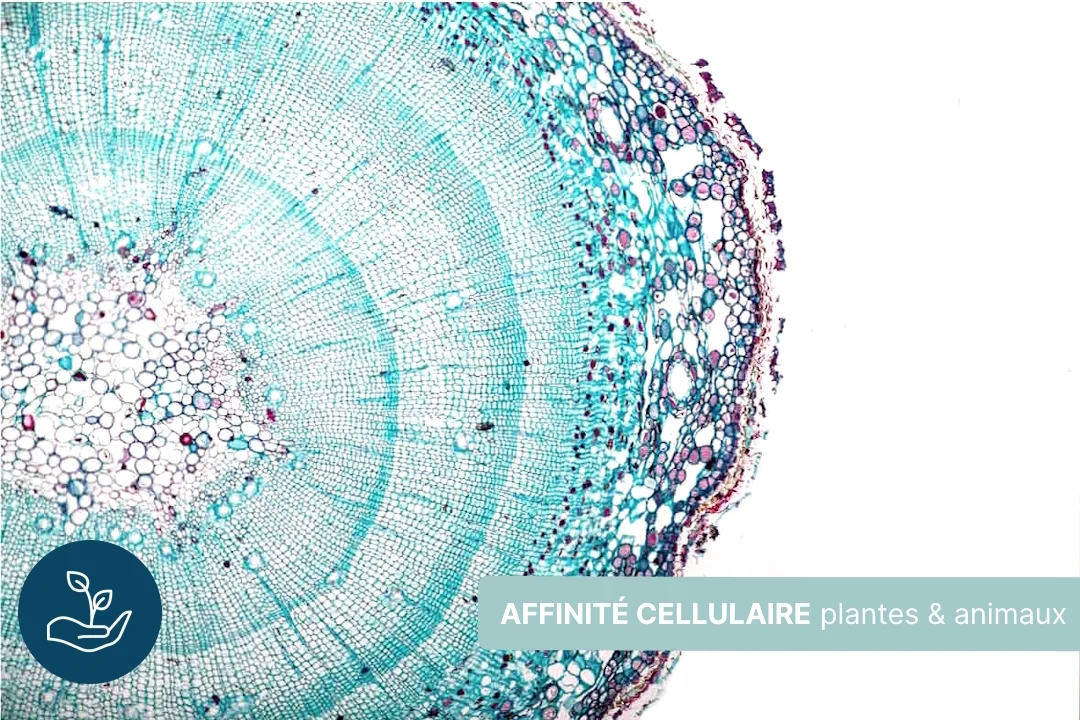
Cell affinity is the similarity or correspondence between cells of different species. This means that certain animal cells can be identical or very similar to those of plants, and vice versa. This revolutionary discovery has implications for medicine, scientific research and the understanding of biology in general. The cells present in plant and animal organisms are extremely diverse. Animal cells can vary considerably in size and shape, depending on their specific role in the animal's body. Similarly, plant cells are also highly diverse, specializing in distinct functions such as photosynthesis, growth and water regulation.
However, despite their diversity, there are certain similarities between animal and plant cells. For example, both have a cell membrane that protects their internal contents. They also share organelles. These specialized structures, such as mitochondria, vacuoles and ribosomes, have specific functions within the cell. Animal and plant cells also share certain cellular processes, such as the transcription of DNA into RNA and the translation of RNA into proteins.
Of course, there are also significant differences between animal and plant cells. For example, plant cells have a rigid cell wall that gives them their characteristic shape, while animal cells are more flexible. What's more, plant cells contain chloroplasts, the organelles responsible for photosynthesis, a process that uses light energy to produce carbohydrates, which is not found on the animal side.
Finally, there are differences in their life cycles. Plant cells undergo continuous cell division, enabling them to regenerate easily. Animal cells, on the other hand, have a limited lifespan and undergo a process called apoptosis, where the cell dies in a programmed manner.

Unexpected cellular similarities between plants & animals
Scientists have made a surprising discovery by observing the cells of the fly-killing plant, also known as the fly-catching dionaea. They found that these cells bear a strong resemblance to the glandular cells of the human stomach. The latter are specialized in the production of digestive enzymes, which break down ingested proteins, and the plant uses them to digest the insects it captures.
What's more, the researchers also noted striking similarities between the sensory cells of animals and plants. Plant sensory cells, known as contact cells, have the ability to detect mechanical stimuli such as pressure or vibration. In turn, they trigger a response, for example, the closing of the leaves of the fly-catching dionaea when an insect lands on them. This mechanism strikingly echoes reflexes and touch in humans and animals.
These recent discoveries of cellular affinity between animals and plants raise fascinating questions about the nature of life andevolution. Scientists are wondering why similar cells have evolved independently in organisms as different as plants and animals. This, in turn, calls into question the conventional idea of plants and animals as two distinct and separate worlds.
Among the theories raised, the researchers speculate that faced with similar evolutionary pressures - such as the need to find food sources and defend against predators - plant cells evolved to be able to capture insects and digest them, while animal cells evolved to respond to various environmental stimuli.
Possible medical applications of cell affinity
Although the medical implications of the cellular affinity between plants and animals are not yet clear, it is possible to foresee concrete applications for the health of our pets. Dog, cat and horse owners can already use medicinal plants to alleviate certain health problems in their pets.
Interestingly, some plants have long been used for their medicinal properties in humans, and may also be beneficial to pets. However, it's important to remember that not all plants are safe for pets. Some plants, such as lily of the valley, lily and oleander, are toxic to animals and can cause symptoms ranging from diarrhoea to paralysis and even death. So, before treating your pet with herbal remedies, make sure you use natural natural supplements created and produced by professionals. Ultimately, it's essential to consult a veterinarian before giving your pet any herbs or natural remedies.
All in all, the cellular affinity between plants and animals is an exciting discovery that raises many questions about the evolution and nature of life. Although much remains to be discovered about the potential medical implications for our pets, this discovery could lead to new advances in veterinary medicine and animal health.
Need advice on natural herbal remedies for your pets? Ask us your questions in the comments section.
Search on blog
Last blog articles
On sale
100% natural guaranteed solutions


Secure
payment

100% plant-based
GMO-free

Made
in France

Fast
delivery

No chemical
agents

Newsletter Lore&Science
Subscribe and
Subscribe and
get 10% off