








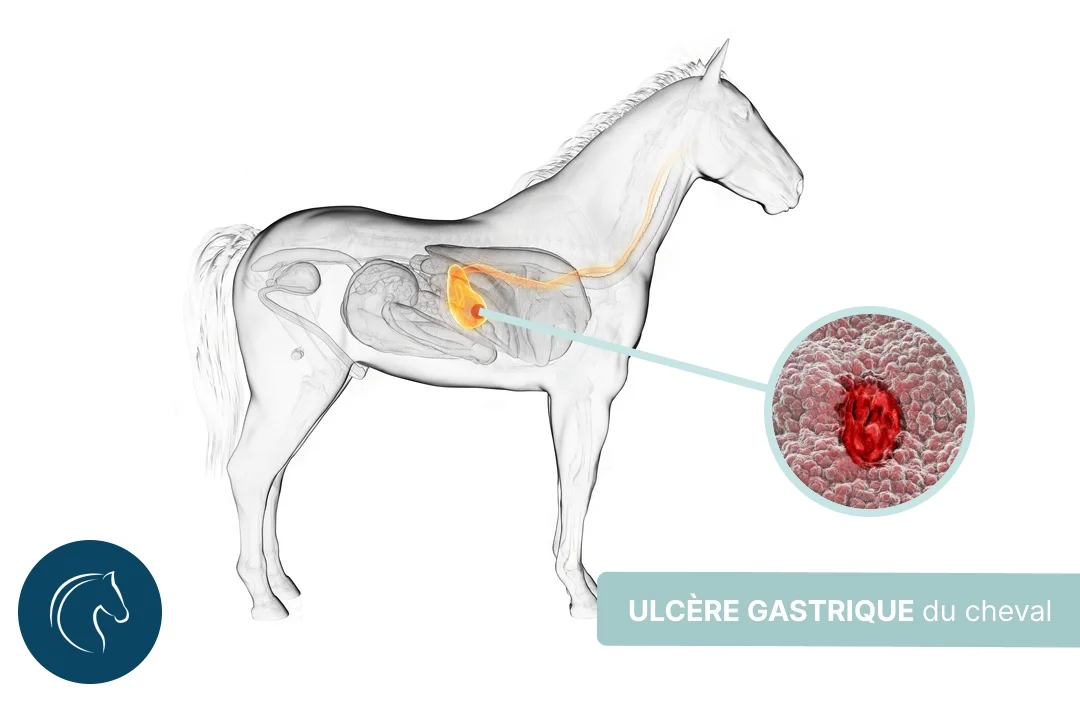
Gastric ulcers are a very common condition in horses. Also known as equine gastric ulceration syndrome, it is an erosion that affects the mucosa of the stomach,esophagus or the first part of the small intestine (duodenum) to a greater or lesser extent.
Painful, this condition can affect a horse's quality of life and performance.
Lore & Science offers advice on how to treat ulcers in horses naturally and effectively.
What causes horse ulcers?
Power supply
The horse is a herbivore whose digestive system is adapted to the regular ingestion of small quantities of fiber-rich feed. Its stomach continuously produces hydrochloric acid, which is normally regulated by the production of saliva through chewing.
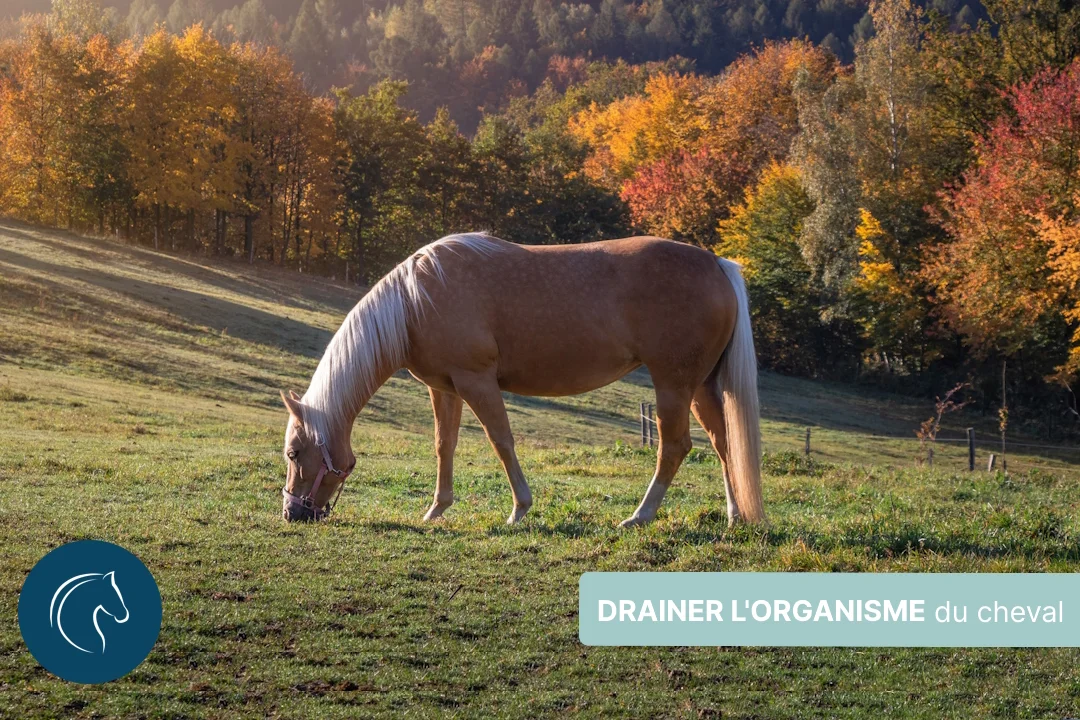
When a horse eats less fiber and chews less, due to meals being too far apart, stomach acidity increases, creating a higher risk of ulcers. Normally, equines spend an average of 60% of their time grazing.
Stall life and low-fibre fodder alter the intestinal balance, favouring erosions of the digestive system.
In terms of diet, the risk factors for ulcers are:
- diets low in herbs or forage
- meals too far apart in time, creating periods of fasting
- a lack of fiber and too much starch in meals
- a lack of hydration, which also limits salivation
Exercise
We often hear that ulcers are more common in racehorses, trotters, show horses and endurance horses. Indeed, the intensity of work can be a trigger for digestive diseases. Excessive work frequency or intensive exercise are additional risk factors. Movement is suspected to add to the risk of injury by displacing acids in the digestive system.
Stress
Inappropriate work also adds to equine stress. In the event of symptoms, rest is essential. It should be noted that horses on pasture are on average less affected by this type of lesion.
All breeds of horse are affected by the problem, but there is a predilection for Thoroughbreds, Anglo-Arabs and Thoroughbred Arabians.

How do I know if my horse has a stomach ache?
Symptoms of ulcers in foals
In foals, symptoms are generally more obvious than in adult horses. The most common symptoms are hypersalivation, diarrhea and bruxism ( teeth grinding). As a general rule, a drop in energy levels should be taken into account.
Unweaned foals are particularly susceptible to diseases of the digestive system, especially if they cannot benefit from a normal suckling rhythm. Prompt treatment is essential.
Symptoms of ulcers in the adult horse
Signs of stomach pain in adult horses are often subtle. So it's vital to be alert to any change in behavior and to look for the cause. Hypersalivation, sudden bruxism, a dull coat, reduced performance and energy are all signs of underlying pain.
The following non-exhaustive list of symptoms should alert you to pain
potentially originating from an equine ulcer:
- diarrhoea
- loss of appetite or sorting of feed
- a sudden drop in performance or reluctance to work
- difficulty gaining weight, emaciation and poor general physical condition
- unusual teeth grinding
- a horse lying down or rolling around a lot
When in doubt, always consult a veterinarian, who will be able to make a more accurate
diagnosis.
How to react to these symptoms?
Faced with these subtle signals, which may be due to other illnesses, it is
important to carry out a clinical examination to confirm the diagnosis. Your veterinarian will perform a gastroscopy. Not very painful for the animal, this involves inserting a camera through the nostril into the horse's stomach to visualize and confirm the presence of lesions.
Nevertheless, this examination remains a source of stress for the animal, and requires a break in feeding, which is harmful in the case of ulcers. As a result, treatment is sometimes initiated as soon as an ulcer is suspected. In such cases, natural treatments are particularly recommended. They avoid side effects and show rapid improvement in the horse's condition.
How to treat a horse ulcer?
Essential oils and phytotherapy against equine ulcers
A conducive environment to avoid recurrence
Do you have any questions about the natural treatment of horse ulcers?
Leave us a comment ↓