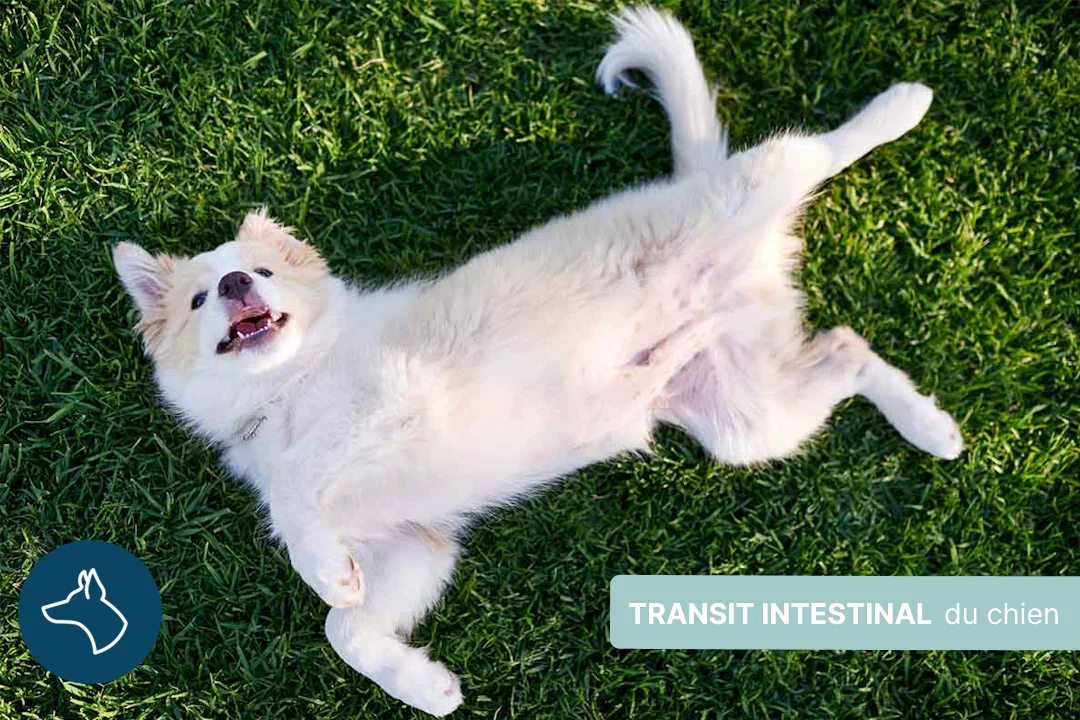









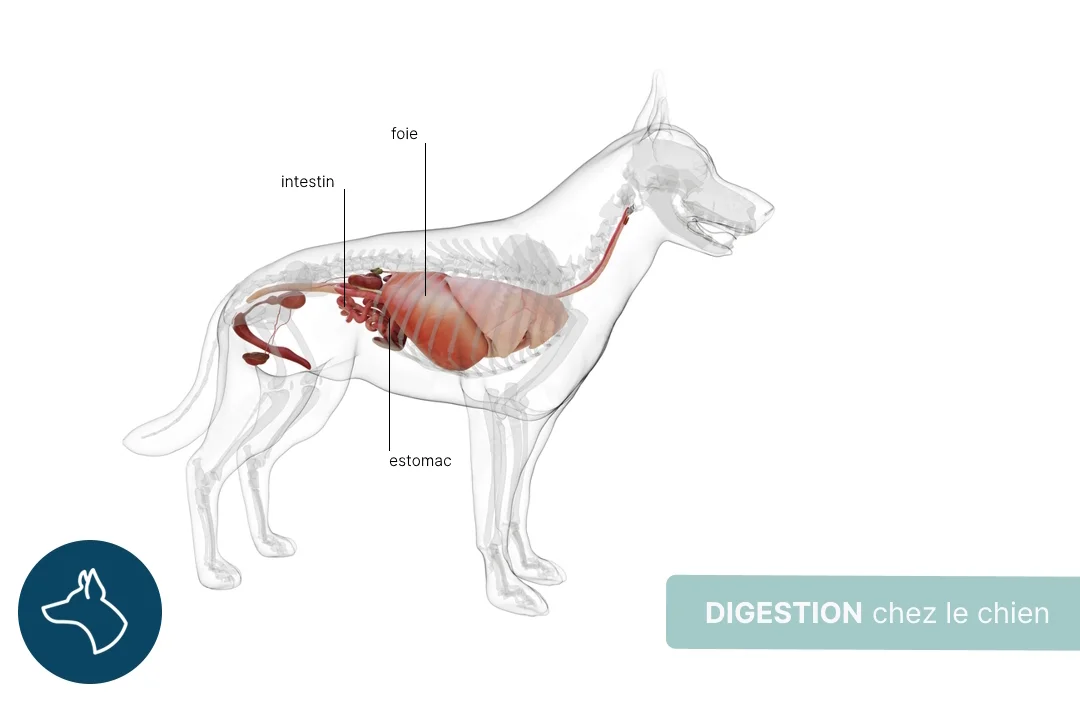
Good digestion is essential to your dog's health. That's why it's important to understand how a dog's digestive system works in order to adapt his diet and lifestyle. Lore & Science tells you everything you need to know about canine digestion and gives you its best advice for a healthy dog.
The stages of digestion in dogs
Like most carnivorous animals, the dog has a short digestive system. As such, it is able to digest animal proteins and fats. Through adaptation and domestication, the dog has also developed the ability to digest cooked starch.
Digestion in dogs begins in the mouth. Dogs do not have flat teeth like humans, but sharp, pointed teeth, called carnivorous teeth, that allow them to tear and grind food. Dogs' saliva also contains enzymes that begin to break down carbohydrates.
After chewing, food passes through the esophagus and into the stomach, where it is mixed with hydrochloric acid and enzymes that help break it down further. Proteins are broken down into amino acids, fats are broken down into fatty acids and carbohydrates are broken down into simple sugars. Unlike humans, food spends more time in the stomach of our canine friends. Count on between 4 and 10 hours before passing into the small intestine.
The passage through the small intestine takes an average of 45 minutes, during which most of the nutrients are absorbed into the bloodstream. They are then transported to the body's cells where they are used to provide energy and build new tissue. Residues that are not absorbed pass into the colon, where they are stored until they are eliminated in the form of stool.
What are the digestive problems in dogs?
If the digestive system varies according to the size or breed of your pet, it is still possible that intestinal problems related to digestion occur. These are quite common and often not serious, as long as they are treated promptly. The most common digestive problems are
- Diarrhea: this is a common digestive disorder in dogs. It is characterized by loose or liquid stools, often accompanied by gas and vomiting. It can be caused by a bacterial or viral infection, food allergy, ingestion of foreign objects or an underlying disease.
- Constipation is characterized by difficulty in defecating, hard or dry stools and a decrease in the frequency of bowel movements. A dog is considered to be constipated after a single daily bowel movement. It is often due to a low-fiber diet, dehydration, or even an intestinal obstruction.
- Vomiting: Vomiting is usually the result of improper feeding, infection, or ingestion of foreign objects. Do not neglect your dog's vomiting as it can cause dehydration.
- Food allergies: may show up in symptoms such as vomiting, diarrhea and flatulence.
If you notice symptoms of digestive problems in your dog, such as persistent diarrhea, constipation or vomiting, consult your veterinarian for proper diagnosis and treatment. You can also take preventive action to maintain the quality of your pet's intestinal flora on a daily basis.
How to take care of your dog's digestive health?
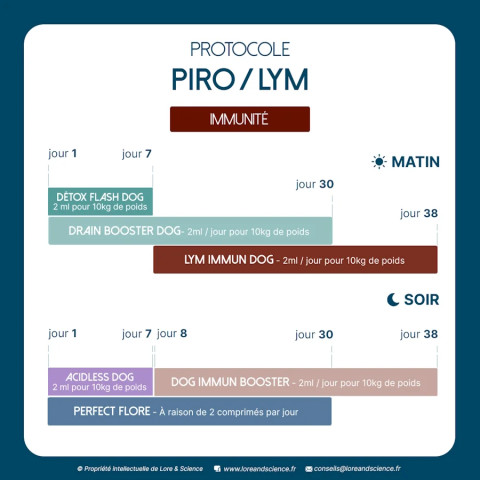
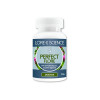
To support the intestinal flora and transit of your companion, you can also give him a food supplement concentrated in live prebiotics and probiotics. These are bacteria that are beneficial to digestive health. Thus, our Perfect Flore supplement nourishes and maintains your dog's saprophytic intestinal flora, regulating his intestinal transit, promoting proper food assimilation and boosting his immune system.
How to react in case of canine intestinal disorders?
In conclusion, digestion is a crucial process for your dog's health, and it is important to take care of his digestive health by taking preventive action on a daily basis. If you notice digestive problems in your dog, such as persistent diarrhea or vomiting, consult your veterinarian for proper diagnosis and treatment. With careful attention to your dog's digestive health, you can help keep your pet healthy and happy for years to come.
You have questions or want to share your experience, react in the comments ↓