









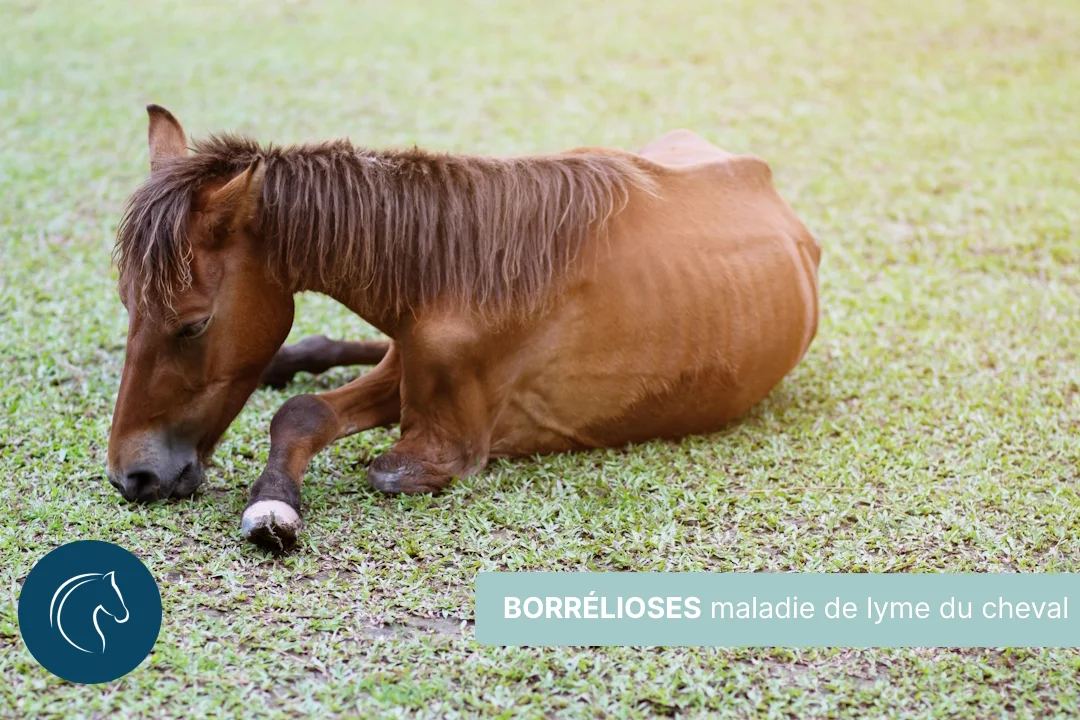
Have you ever heard of borreliosis? These infections, the best known of which is Lyme disease, can affect dogs and horses as well as humans. They are caused by a bacterium called Borrelia burgdorferi which is transmitted by infected ticks. Borreliosis can be difficult to diagnose, as symptoms can vary considerably. Symptoms, diagnosis, treatment and prevention of borreliosis in dogs and horses, Lore & Science tells you all about it in this article.
Borreliosis: a variety of symptoms
In horses and dogs, symptoms of borreliosis may appear within a few weeks of exposure to the bacteria, but can also take several months to appear. They can also be intermittent, appearing and disappearing without warning. This, of course, complicates diagnosis. In fact, borreliosis is one of the so-called cold infections, as it does not necessarily trigger a fever. Nevertheless, here are a few symptoms that should alert you.
Symptoms of borreliosis in dogs 
Dogs, bitches or puppies with Lyme disease or borreliosis-like infections may be lethargic and have low energy levels. They may have difficulty walking, jumping or climbing stairs. Other signs to watch out for include, but are not limited to, the following:
- Fever
- Loss of appetite
- Fatigue
- Joint pain
- Joint stiffness
- Muscle pain
- Swollen lymph nodes
- Neurological symptoms
Symptoms of borreliosis in horses 
As with dogs, symptoms of borreliosis in horses, mares and foals can take several weeks to appear after exposure to the bacteria. Among them, lameness is common and can affect one or more limbs. Horses suffering from Lyme disease can also be highly sensitive to pressure, and more reactive to tactile stimuli. We have compiled a list of potential signals of borreliosis in equids:
- Fever
- Lameness
- Swollen joints
- Neurological symptoms
- Weight loss
- Fatigue
- Reduced appetite
- Respiratory symptoms
In all cases, if your horse or dog displays one or more of these symptoms, we recommend that you consult your veterinarian, who will be able to make an appropriate diagnosis.
Diagnosis of borreliosis
Diagnosing borreliosis in dogs and horses is often a challenge for veterinarians, as the clinical signs presented by infected animals can be non-specific and resemble those of other diseases. As a result, it's important to call on a qualified, experienced professional to diagnose this complex disease.
A blood test is commonly used to detect the presence of antibodies against the bacteria responsible for borreliosis. However, it can sometimes give falsely negative results if the dog or horse has recently been exposed to the bacteria. What's more, antibody levels can vary according to the stage of the disease, making diagnosis all the more difficult.
In some cases, the veterinarian may use imaging techniques, such as X-rays and ultrasound, to assess the extent of inflammation in the joints or muscles. These tests can also detect other abnormalities, such as fractures and tumors. However, as they are not specific to borreliosis, they can only be used to confirm the diagnosis.
Finally, it's important to note that early diagnosis of borreliosis is crucial to successful treatment. Therefore, if you notice any signs of the disease in your pet, don't hesitate to consult a veterinarian immediately to avoid any complications.
Treatment of borreliosis in dogs and horses
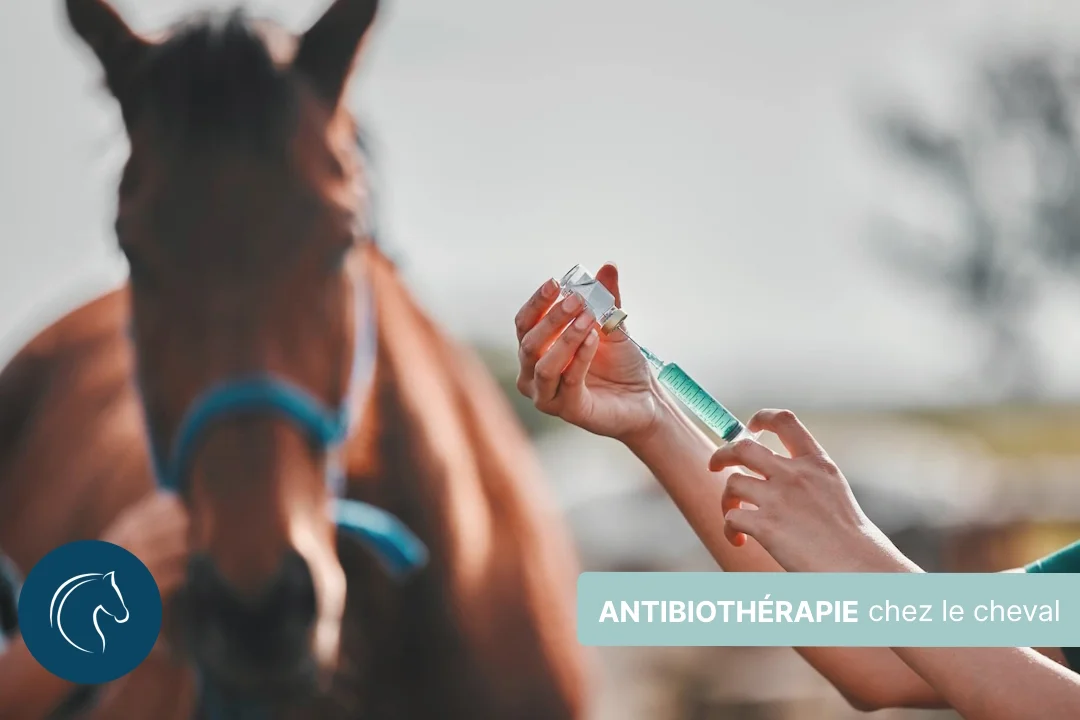
Treating borreliosis in dogs and horses is a complex process, and usually involves a combination of treatments. In general, veterinarians prescribe antibiotics to combat the bacterial infection. Doxycycline and amoxicillin are the antibiotics most commonly used to treat borreliosis, as they are effective in killing the bacteria responsible for the infection.
However, treatment of borreliosis can be a protracted process, as the infection can be deeply rooted in the animal's body. Consequently, treatment may last several weeks or even months, depending on the severity of the infection. Veterinarians often recommend regular check-ups to monitor the effectiveness of the treatment and ensure that the infection has been completely eliminated.
Antibiotics
Medicinal plants
Prevention of borreliosis in dogs and horses
The best way to combat borreliosis is, of course, prevention. Since these diseases are transmitted by ticks, the best way to prevent them in animals is to reduce their exposure to these mites. There are several preventive measures you can take to help protect your dog or horse.
First of all, avoid as far as possible wooded or grassy areas where ticks are likely to be found. Not letting your dog or horse roam in these areas can greatly reduce its exposure to ticks. If you can't stay away from these areas, then it's a good idea to use tick repellents on your pet. These can take the form of collars or sprays to be applied to your horse or dog before outings.
Also, regularly inspect your dog or horse for ticks. If you find a tick on your pet, remove it quickly. It's advisable not to touch the tick with your bare hands, as this can increase the risk of transmitting the bacteria. Instead, use tick forceps or disposable gloves to remove the tick properly. If you can, store the tick in an airtight container.
Finally, it's important to keep a close eye on your dog or horse after it's been bitten by a tick. If you notice any symptoms of borreliosis, such as fever, muscle stiffness or joint pain, consult your veterinarian immediately. The sooner the disease is detected and treated, the greater the chances of your pet's recovery.
In short, by taking these preventive measures, you can help to significantly reduce the risk of borreliosis in your dog or horse. It's important to remember that prevention is the key to protecting your pet's health and ensuring its long-term well-being.
Questions about borreliosis-type infections in your pet? We'll answer them in comments ↓





















By Lore & Science 07/15/2024 09:11:23
Bonjour, vous pouvez envoyer une demande de conseils à notre expert santé animale à l'adresse conseils@loreandscience.fr. Il reviendra vers vous avec un protocole adapté à la condition de votre chienne.
By Colas Emmanuelle 07/14/2024 09:56:57
Bonjour ma chienne de 9 ans a eu la maladie de lyme. Cela lui a donné entre autre une inflammation des reins et de l'intestin. Comment réduire ses inflammations? (Elle mange du pâte rénal, elle prend comme traitement du Chloraminophene, et fortiflora de proplan).
By Lionel - Lore & Science 05/07/2024 14:30:30
Bonjour, Les toxines que libèrent en permanence les agents infectieux, se logent dans l'intestin, le foie et la lymphe en dernier lieu. Le foie a une fonction immunitaire par ses cellules de Kupferr, mais également des fonctions endocrines. On comprend aisément que l'hypertoxémie lié aux infections froides, dégradent les fonctions hépatiques et digestives, et par ricochet le métabolisme. C'est d'ailleurs l'ensemble des appareils du système immunitaire qui se dégradent, par les armes toxiniques produites par les agents infectieux.
By Marnie59 05/07/2024 08:26:39
Bonjour, est ce que la maladie de lyme, peut entraîner des soucis au niveau du foie et engendrer un dérèglement de l'insuline ? Mon cheval test positif lyme, mais refus de traiter par la veto, à declarer fourbure' colique' raideurs musculaires, pour elle c'est le sme, il a donc ete mis sous médicament, régime , et l'insuline a encore doublé sans raison. D'ou la piste de lyme surtout que les paramètres hepatique ne sont pas bons. Merci de votre réponse
By Lore & Science 03/01/2024 19:33:57
Bonjour, nous recommandons ce complément mais pas seulement, je vous invite à envoyer un message à notre conseiller pour établir un protocole adapté → conseils@loreandscience.fr
By emma.oses74 03/01/2024 18:10:05
Bonjour, Je viens d’apprendre que mon cheval était positif Theilériose, j’ai eu mon vétérinaire au téléphone mais pas plus d’explications, rendez-vous pris pour contrôle prise de sang, est-ce que c’est ok l’ImmuB pour la Theilériose ? Merci beaucoup
By Lionel - Lore & Science 02/12/2024 11:52:55
Bonjour karine, les maladies de type Borrélioses (en médecine humaine le terme exact est maladie de Lyme et ses cofacteurs infectieux) engendre une multitudes de symptômes et problèmes de santé divers et variés. Nous retrouvons des troubles articulaires et musculaires, des problèmes digestifs et également de gros soucis neurologiques lorsque qu'il s'agit de neuro borrélioses. Pour être plus précis pour le cas de votre jument il est bien entendu primordial de soutenir sa flore intestinale pendant le traitement. Ensuite il sera nécessaire de détoxifier son organisme des toxine bactériennes qui auront été libérées par les bactéries. Le foie, s'il est en sous fonction due à une hyper toxémie ne pourra plus assurer son rôle immunitaire (cellules de Kupffer), ni sa fonction hormonale. Bien entendu il sera également majeur de booster ses défenses naturelles. Je reste à votre disposition conseils@loreandscience.fr pour plus de renseignements. Lionel
By KARINE THEVENET 02/11/2024 18:10:23
Bonjour j'ai une jeune jument qui prend 4 ans, achetée en mai 2022 à 2 ans. En août 2022 elle a fait un bouchon oesophagien avec ses granulés habituels. Rétrécissement oesophage + perte d'état général + poil piqué : analyses sanguines positives à Lyme et erlichiose. Traitement Ronaxan mis en place, cures drainantes. Elle vient de faire une rechute. Amaigrissement et fatigue (elle était au travail léger). Légèrement positive à Lyme et anémie. J'ai un nouveau protocole de traitement Ronaxan 3 sem, vita C effect 15j, carbo top 1 mois, et Hematinic 1 seringue/ 10j. On me conseille des pre-pro-post biotiques Quel est votre avis ? Où les trouver ? Peut-on cumuler tous ces produits sans risque ? Ainsi que la cure Immun B ? Merci
By Lionel - Lore & Science 01/02/2024 10:43:23
Bonjour, L'Immun B est un produits très actif qui se fait sur 25 jours. Le produit Lyme Protect se donne plutôt en prévention ou en entretien suite au protocole de départ contenant l'immun B
By leslienollo01 12/30/2023 10:15:13
Bonjour, quelle différence entre immune b et Lyme protect ? Dans quels cas l’un ou l’autre est recommandé ?