









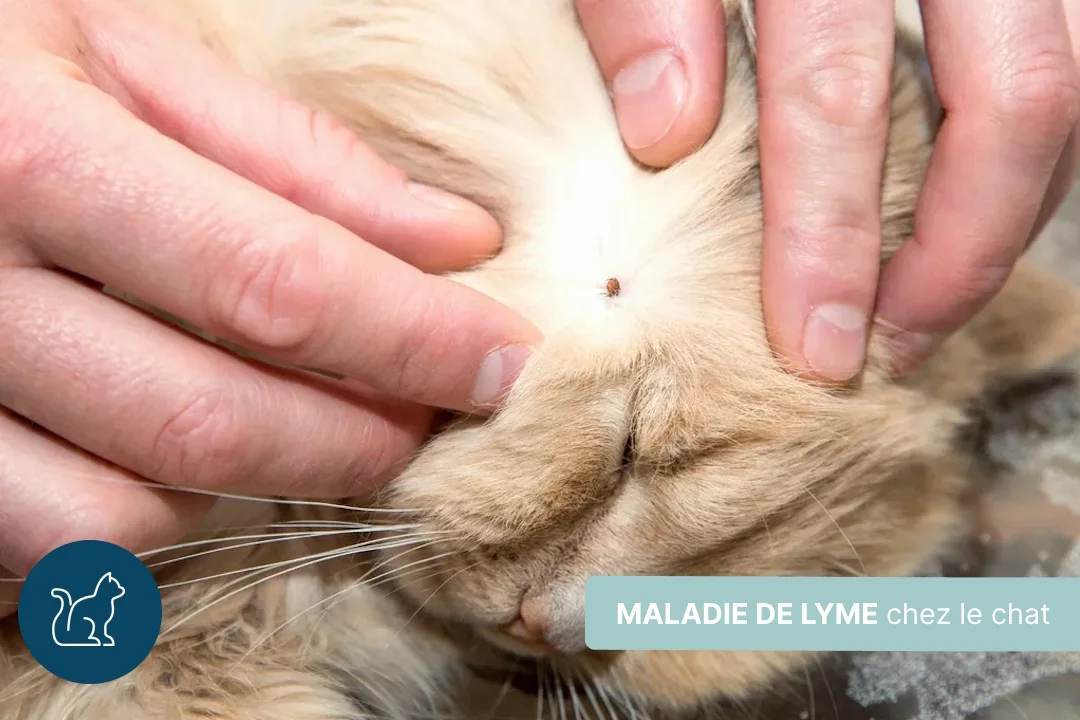
Lyme disease, also known as Lyme borreliosis, is an infectious illness caused by bacteria of the genus Borrelia. These bacteria are transmitted by Ixodes ticks, commonly known as deer ticks or black long-legged ticks. When an infected tick bites an animal, Borrelia bacteria can be transferred into the host's bloodstream, triggering the disease. While this disease is most commonly associated with dogs and humans, it can also affect cats. In this article, Lore & Science tells you all you need to know about Lyme disease in cats: symptoms, diagnosis, treatment and essential preventive measures to protect our felines.
What are the symptoms of Lyme disease in cats?
Want to know if your cat has Lyme disease? Here are the characteristic signs that should alert you. Note that these can be varied and non-specific, making diagnosis sometimes difficult.
Joint pain and intermittent lameness
Joint pain is common in cats infected with Lyme disease. These pains can be felt in various joints of the animal's body. You may notice that your cat avoids being touched or handled, or it may emit plaintive meows when it moves.
Thus, one of the most common symptoms of Lyme disease in cats is intermittent lameness, linked to these inflamed joints. What does "intermittent lameness" really mean? Well, it's a sudden, fluctuating lameness that can affect different legs at different times.
Persistent fever
Fever is a common reaction of the body in response to infection. If your cat has a persistent, unexplained fever, this may be a worrying indicator. Remember that fever is the body's defense mechanism against pathogenic invaders. When it lasts over time, it may indicate a prolonged struggle against the bacteria responsible for Lyme disease.
Lethargy and loss of appetite
As with many other conditions, cats with Lyme disease may become lethargic and less active than usual. They may also lose their appetite, which can lead to weight loss. As explained above, these are not symptoms specific to the disease, but rather an indicator of a worrying state of health in the cat, which should lead you to seek veterinary advice. As with all feline diseases, the symptoms of Lyme disease in cats can vary from one individual to another, and not all infected cats will show all these signs. In addition, these symptoms may also be due to other medical conditions, making the diagnosis of Lyme disease more complex. So, if you observe one or more of these symptoms in your cat, it's imperative that you seek prompt veterinary advice. Only your vet can carry out blood tests to detect the presence of antibodies to Borrelia bacteria, and thus confirm the diagnosis. Anti-Borrelia antibody tests, such as ELISA (enzyme-linked immunosorbent assay) followed by a Western blot test, are commonly used to detect the presence of the bacteria in a cat's blood.
How to treat Lyme disease in cats?
Treatment of Lyme disease in cats mainly involves theadministration of antibiotics such as doxycycline oramoxicillin. Treatment is often necessary for several weeks to completely eliminate the Borrelia bacteria from the cat's body.
How can you protect your cat from Lyme disease?
As you can see, Lyme disease is transmitted to cats, as it is to humans, by the bite of ticks carrying the bacterium. Use antiparasitic products recommended by your veterinarian to protect your cat from ticks. These products are often available in pipette, collar or tablet form. Follow your vet's instructions for application and renewal of these products, as some may require monthly administration.
However, the use of antiparasitic products doesn't mean you don't need to check your feline regularly and carefully for ticks, especially if you live in a region where they are common. Careful palpation of your cat's skin and fur will enable you to detect them. If you find any, remove them immediately with a suitable tick remover, taking care to remove the whole tick, including the head.
To limit the risk of bites in your cat's environment, trim back the vegetation around your house and garden to reduce potential tick habitats. Also, avoid letting your cat roam in tall grass or wooded areas, where ticks are more likely to be found. Finally, if you have other pets, especially dogs, make sure you protect them from ticks, as they can bring ticks into the house.
In conclusion, although Lyme disease is less common in cats than in dogs and humans, it remains a potential threat to their health. Being vigilant, especially in areas where ticks are common, and taking appropriate preventive measures can help protect your cat from this infectious disease. If you suspect that your cat is showing symptoms of Lyme disease, don't hesitate to consult a veterinarian immediately for an accurate diagnosis and appropriate treatment.
Share your experience or questions with us in the comments ↓




























By Monique Bertrand 03/21/2025 18:58:47
Chat venant manger tous les jours à ma fenêtre, très familier mais semblait couvert de vermine. Je l'ai fait soigner par un vétérinaire et je l'ai adopté. Brave et gentil chat, je ne suis pas déçue. Malheureusement il développe la maladie de Lyme. J'espère qu'avec les soins et médicaments il va vivre encore longtemps pour qu'on lui donne tout l'amour qu'il mérite.