









Connexion
Create an account
Create an account
Connexion

Lore&Science's blog
Discover our range of health supplements specially formulated to support the well-being of dogs, cats, and horses, helping maintain their vitality, mobility, and overall balance every day
-
 Horse advice
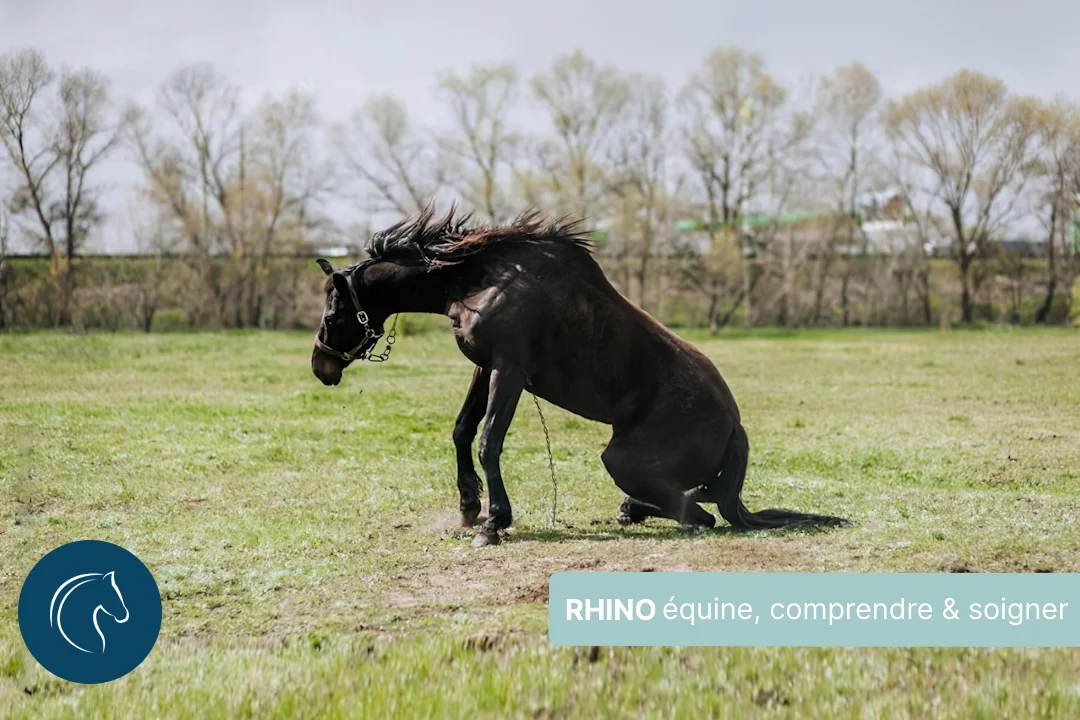
Understanding and treating rhino, or viral herpes, in horses: a complete guide
02 June 2025
Read moreMost horses are exposed to theequine herpes virus during their lifetime.Viral herpes, more commonly known as rhino, is caused by the EHV virus. Highly contagious, rhino primarily affects the respiratory tract, but can also have devastating neurological and reproductive effects. In this article, Lore & Science tells you all about rhino: its symptoms, its impact on a horse's health, and the natural and medical ways to strengthen our equidae's natural defenses against this invisible threat.
EHV-1 and EHV-4: The different forms of viral herpes
There are several types of EHV, but the two most frequently encountered areEHV-1 andEHV-4. The first of these, EHV-,1, is of major concern because of its particularly severe clinical repercussions. This virus not only causes respiratory diseases, but alsoabortions in mares anddebilitating neurological disorders such as myeloencephalopathy. This often feared neurological condition can lead to partial or total paralysis, or even death in the most severe cases.
In comparison, EHV-4, although less virulent than its counterpart, remains a source of concern. The latter manifests itself mainly through respiratory infections, affecting foals and young horses in particular. The symptoms it causes, often likened to those of a cold, can nevertheless considerably weaken a horse, compromising its vitality and natural resistance. The general weakening of the organism it induces opens the way to other infections, accentuating the need for appropriate preventive measures to protect the youngest equine populations.
How is equine rhino transmitted?
It's important to remember that the rhino virus is spread by direct contact between horses, or via contaminated surfaces such as water buckets, racks, or even the clothing of people in contact with infected horses. Viral episodes can therefore be more easily triggered in environments where horses are in close contact: stables, riding schools, or during competitions, for example. Early recognition of rhino symptoms is therefore essential to prevent the spread of the virus and to provide the necessary care.
What are the symptoms of rhinitis in horses?
Clinical manifestations of rhino may vary depending on the form of infection (respiratory, neurological or reproductive), but certain symptoms are common.
Respiratory symptoms
The first signs of rhinopneumonia virus infection in horses often manifest as a sudden high fever, often accompanied by marked lethargy and reduced appetite. These initial symptoms are rapidly followed by the appearance of a nasal discharge, initially clear, which may progress to a thicker, purulent secretion as the infection worsens. Coughing, usually dry and persistent, then becomes a recurrent symptom, and in the most severe cases, the horse's breathing may become labored, indicating that the infection has reached the deep respiratory tract.
Neurological symptoms
The neurological manifestations of EHV-1 are particularly worrying, requiring urgent veterinary intervention. One of the first indications is ataxia, where the horse loses its coordination, resulting in a hesitant, stumbling gait. This is often accompanied by weakness of the hind limbs, making it difficult to maintain a standing position, to walk, or even to stand up after lying down. In the most severe cases, partial or complete paralysis can occur, and unfortunately, this can be irreversible. Another telltale symptom isurinary incontinence, which betrays a deeper involvement of the nervous system.
Reproductive symptoms
EHV-1 infection also poses serious reproductive risks, particularly for pregnant mares. One of the most dramatic consequences is abortion, often occurring late in gestation, or the birth of weak foals that succumb shortly after foaling. What's more, the infection can lead to temporary infertility in some mares after the viral episode.
How is rhino diagnosed?
The first thing to do if you suspect viral herpes in your horse is to contact your veterinarian. Only he or she can diagnose equine rhinopneumonitis, after assessing clinical symptoms and performing specific laboratory tests. A PCR (polymerase chain reaction) test usually detects the presence of the virus in the horse's nasal secretions or blood, while serological tests measure the animal's immune response. This comprehensive diagnostic approach is essential to confirm the presence of equine viral herpes and adapt treatment accordingly.
The link between rhino and sarcoid in horses
Sarcoid is a common skin tumor in horses, the exact etiology of which remains uncertain, although some researchers suspect a link with viral infections, notably equine viral herpes. The herpes virus, by weakening the horse's immune system, could create a breeding ground for the development of sarcoids, although this hypothesis still requires further research to be confirmed. The weakening of the horse's natural defences, induced by recurrent viral episodes, could allow the bovine papilloma virus, often associated with sarcoids, to establish itself and proliferate. This interaction between viral herpes and the development of sarcoids underlines the importance of vigilance in the management of viral infections in horses.
How is equine herpes treated?
There is no specific remedy for equine viral herpes, but there are a number of things that can be done to alleviate the symptoms and improve the horse's chances of recovery. First of all, complete rest is essential to allow the animal to recover fully. At the same time, a balanced diet, rich in fiber and essential nutrients, helps support the horse's natural defenses.
Conclusion
In conclusion, rhino, or equine viral herpes, remains a threat to equine health, due to its highly contagious nature and potentially devastating effects on the respiratory, neurological and reproductive systems. Vigilance and responsiveness to early signs of the disease can make all the difference. Although curative treatment of rhino is limited, a preventive and comprehensive approach, combining medical care and nutritional support, can go a long way towards limiting the impact of this disease on equine populations.
Share your experience or questions with us in the comments ↓
-
 Horse advice
Cushing's disease: what can be done for horses?
26 May 2025
Read moreWhat is Cushing's disease?
Cushing's disease, also known as Cushing's syndrome, is a chronic endocrine disorder. It is caused by a hormonal imbalance and generally affects horses over 15 years of age.
Located at the base of the brain, the hypothalamus and pituitary are the two glands responsible for this clinical syndrome. In a healthy horse, the hypothalamus regulates the secretion of hormones produced by the pituitary gland.
Cushing's disease results from degeneration of the hypothalamus, which can no longer fulfill its regulatory role. The pituitary gland begins to develop, producing abnormal amounts of thehormone ACTH.
The latter stimulates the adrenal glands, which secrete cortisol (stress hormone), responsible for the clinical signs visible in horses. However, it is possible to alleviate these disturbances with natural treatments.
Symptoms of Cushing's syndrome in horses
Cushing's disease can be difficult to spot in its early stages, since it can be mistaken for the classic signs of aging. There are, however, certain signs that should alert horse owners.
Dermatological signs
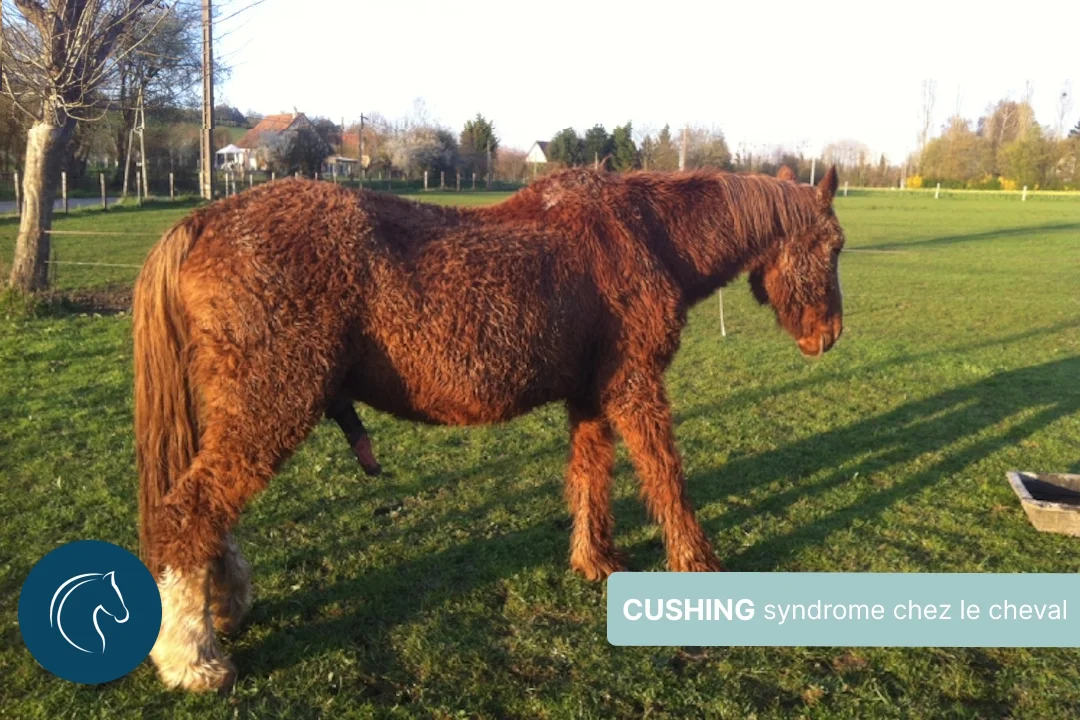
The first characteristic sign of Cushing's disease in equines is hirsutism. This is excessive hair growth on all or part of the body.
The coat is abnormally long and curly, whatever the season. However, not all horses with Cushing's disease systematically show this symptom, and vice versa.
Horses can also show resistance to moulting. It may be incomplete or come late.
Locomotor disorders
Among the disorders characteristic of Cushing's syndrome, the horse may present episodes of laminitis, i.e. severe and very painful inflammation of the foot. The risk of laminitis affects around 1/3 of horses suffering from the disease.
In severe cases, the third phalanx may collapse and perforate the hoof, leading to lifelong locomotor problems.
Episodes of laminitis can be acute or chronic. Acute laminitis appears suddenly, causing inflammation and pain in the foot. Chronic laminitis, on the other hand, sets in over time if left untreated during the acute phase.
Lower immunity
Cushing's disease also leads to greater susceptibility to dental, sinus, respiratory and urinary pathologies.
The animal may then develop polyuro-polydipsic syndrome, which translates into increased urinary volume. The horse urinates in very large quantities and compensates for this loss by drinking a lot of water.
Wound healing also becomes slower as the horse's immunity declines. Excessive sweating (hyperhydrosis), especially of the elbows and stifles, is also not uncommon.
Body dysfunction
In addition to all the symptoms listed above, Cushing's disease can have an impact on a horse's gait. In particular, progressive muscle wasting can be observed, leading to abnormal fat distribution.
They are most visible on the neck, base of the tail and abdomen, giving the dog a recognizable pendulous appearance.
Finally, rarer symptoms such as neurological disorders may appear. For example, loss of vision, sudden onset of sleep and even loss of balance.
Diagnosing Cushing's disease in horses
If Cushing's disease is suspected, blood tests can be used to establish a diagnosis. To date, the most reliable clinical test consists in analyzing blood levels of the corticotropic hormone (ACTH) secreted in excess by the pituitary gland in diseased horses.
However, results must take into account the time of year, since ACTH levels are normally highest from August to October. It is therefore preferable to perform the test at this time of year.
Other criteria, such as the horse's state of stress and geographical location, should also be taken into account. In the event of doubtful results, additional analyses can be carried out.
Dexamethasone suppression test: involves measuring the horse's cortisol level. Dexamethasone is a synthetic hormone which acts like cortisol. The injection is made in the evening, with a blood sample taken the following morning to compare pre- and post-injection cortisol values. If the horse has the disease, there will be no drop in the hormone.
TRH stimulation test: if doubts persist after the previous tests, TRH is injected. This molecule acts on the pituitary gland before measuring ACTH. Affected horses will show an increase in ACTH levels.
Treating Cushing's syndrome in horses
It's vital not to underestimate the disease, as it could have serious consequences for the horse's life.
Above all, regular veterinary check-ups are essential to keep a close eye on your pet's health.
Drug-based treatments
One drug treatment is pergolide. This molecule will help control the evolution of the disease and even contribute to its regression.
Similar in action to dopamine, pergolide acts on the pituitary gland, reducing the secretion of ACTH and hence cortisol. However, this treatment has side effects such as colic and diarrhea.
The second trilostane-based treatment does not act on ACTH, but directly on cortisol production in the adrenal glands. To date, its use has not been associated with adverse effects, but its high cost remains a deterrent.
Share your experience of this topic with us in the comments ↓
-
 Horse advice
How to boost your horse's immunity?
19 May 2025
Read moreYour horse's immunity is an essential component of his overall health. A strong immune system is the key to keeping your equine fit, active and happy. Lore & Science tells you all about the mechanisms of equine immunity, the factors that can weaken it, and how you can take steps to strengthen and support this natural defense barrier, ensuring a long and healthy life for your equine companion.
The horse's immune system: a natural shield
The horse's immune system is a complex network of specialized organs, cells and proteins that work in tandem to protect the body against unwanted invaders, such as bacteria, viruses, parasites and other pathogens. It is essentially the guardian of your horse's health, ready to detect and counter any potential threat at any time.
The bone marrow plays a crucial role in this system by producing blood cells, including white blood cells, or leukocytes. These are the body's true sentinels, constantly patrolling to detect and neutralize potential threats. Lymphoid organs, such as the spleen, lymph nodes and tonsils, are training centers for immune cells. They help these cells recognize and fight pathogens by exposing them to fragments of the latter.
Two immune systems in action
The horse's immune system can be divided into two main components:innate andadaptiveimmunity.
Innate immunity is the body's first line of defense. It reacts rapidly and non-specifically to repel invaders. This first line of defense includes physical barriers, such as skin and mucous membranes, as well as immune cells such as neutrophils and macrophages. Innate immunity is essential for preventing infections as soon as they appear.
Adaptive immunity, on the other hand, is pathogen-specific. It involves the production of specialized immune cells called T and B lymphocytes, capable of recognizing and remembering specific pathogens. This means that the adaptive immune system can design targeted responses to combat particular invaders, and develop long-term immunological memory.
The challenges of the equine immune system
The challenges of equine immunity are many and varied, testing the natural resistance of equines. The main challenges include:
- chronic stress
- malnutrition
- age
- environmental conditions.
Chronic stress, whether due to intensive competition, social isolation or other factors, can weaken a horse's immune system, making it more vulnerable to infection. Inadequate nutrition can also compromise the immune response, underlining the importance of a balanced diet tailored to each horse's individual needs. Age also plays a role, with young foals born with less developed immune systems, while older horses may show a weakening of their immunity, exposing them to an increased risk of disease. Finally, environmental conditions, such as stable management, water quality and the presence of pathogens, can significantly influence a horse's immune health.
How to boost your horse's immunity?
Maintaining a strong immune system in your horse requires a holistic approach to his health and well-being. First, make sure your horse receives a balanced diet tailored to his specific needs.Vitamin and mineral supplements may be necessary to fill nutritional gaps. Some natural supplements, such as Immun Support, can help support your horse's immunity. Its composition, based on five carefully selected medicinal plants , has undergone extensive scientific validation. These plants act synergistically to reinforce the fundamental mechanisms of the equine immune system.
Stress is also a factor that tends to weaken hair's immune system. So be sure to provide your horse with a stable, sanitary environment where he has access to clean, good-quality water. This, coupled with positive social interaction and appropriate training, will help keep his immunity strong.
Share your experience or questions with us in the comments ↓
-
 Horse advice
Understanding, treating and preventing colic in horses
19 May 2025
Read moreColic is the number one cause of death in horses and is feared by all owners. The term refers to abdominal pain that can be caused by a variety of factors, ranging from diet and exercise to parasites and disease. Horse colic is a common health problem in equines and can be very dangerous if not treated promptly. However, when treated early, most colic is treatable. It is also possible to act preventively to limit the risks. In this article, you will learn how to understand, treat and prevent colic in horses.
What causes colic?
First of all, it is important to be aware that colic is not an illness as such, but the presence of abdominal pain that is expressed by different symptoms. These pains are due to a slowing down or stopping of the digestive transit.
Colic can therefore have several origins, including for example:
- Feeding: a sudden change in diet or excessive intake of food can cause colic. Excessive straw, moldy hay or poor quality feed are also risk factors.
- Inappropriate exercise: excessive exercise, strenuous physical activity or lack of activity can cause abdominal pain.
- Parasites: Intestinal parasites can cause colic by disrupting the normal functioning of the intestinal tract.
- Certain diseases: Diseases such as colitis or peritonitis can cause abdominal pain.
The fragile anatomy of the horse makes it particularly susceptible to colic. Indeed, equids have a digestive tract that is not fixed in the abdominal wall. The digestive tract can therefore undergo movements and even twists, which is the most serious form of colic.
How to recognize colic in horses?
Because colic is abdominal pain, it is important to watch for any signs of pain and changes in behavior to detect it early.
The most common symptoms of colic that should immediately alert you are:
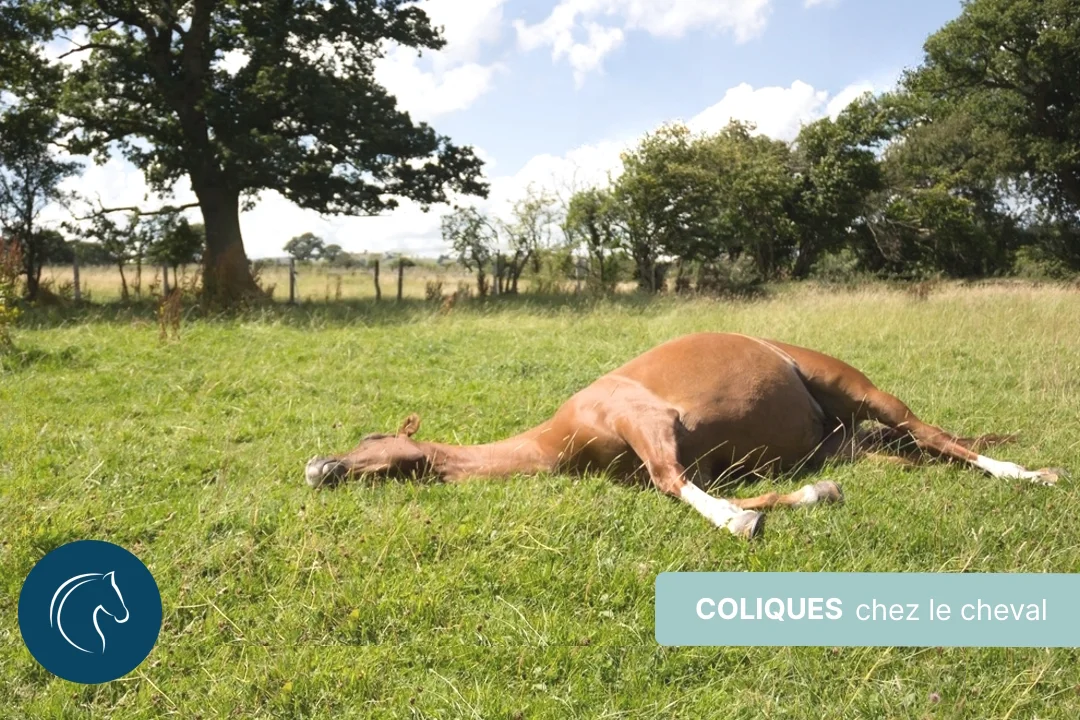
- Restlessness: A restless horse that lies down and rolls over, pats itself on the belly with its forelegs or looks at its flanks is showing signs of pain.
- Excessive sweating, even in cool weather.
- An absence of stools, or abnormally loose stools.
- Difficulty eating or drinking.
- An abnormally long lying position.
There are 5 stages of pain in a horse with colic. In the first stage, the horse or mare has no pain or symptoms. The following stages are :
- mild pain (lack of appetite, lying down)
- moderate pain (agitation, or horse lying in a "sitting dog" position)
- Severe pain (severe sweating, rolling and dropping violently)
- the state of severe depression.
If you notice these signs in your horse, consult your veterinarian immediately for a thorough examination.
Solutions to prevent colic in horses
Although colic can't always be avoided, there are steps you can take to reduce your risk.
An adapted lifestyle
Horses are sensitive to stress. Therefore, it is recommended to adapt their lifestyle to limit the sources of anxiety. Adapted work, regular outings, a calm and comfortable environment are all factors that can prevent colic.
Also remember to deworm your pet 3 to 4 times a year to eliminate parasites from its digestive system.
Finally, horses that live in a stall are more likely to suffer from colic. Outings to the pasture are a good way to limit the risks.
Anticipate risk situations
In case ofantibiotic therapy, diarrhea or malnutrition problems, colic can quickly occur. It is therefore advisable to anticipate problems by rapidly restoring the horse's innate saprophytic intestinal flora.
Indeed, each horse has its own intestinal flora obtained at birth. This type of treatment or problem leads to its destruction.
It is important to know that, without this saprophyte intestinal flora, prebiotics and probiotics will not be able to have any action. Thus, a gemmotherapy food supplement promotes the rapid restoration of the innate saprophytic intestinal flora of the horse or foal.
How to treat colic in horses?
Of course, the treatment of colic in horses depends on the severity and cause of the abdominal pain. Only your veterinarian can diagnose and determine the appropriate treatment. Treatment may include medications to relieve pain and reduce inflammation, as well as treatments to correct the underlying causes of colic, such as dehydration or intestinal parasites. In some severe cases, surgery may be required to treat horse colic.
While waiting for your veterinarian, to relieve your horse, avoid feeding him and stay by his side to reassure him and watch him. You can also, if the animal accepts it, make him walk slowly to change his mind and avoid him to roll too much. This will limit the risk of twisting.
In conclusion, we remind you that horse colic can be a serious health problem that requires immediate attention. By understanding the causes, symptoms and treatments of colic, as well as following preventative measures, you can help ensure the health and well-being of your horse. If you suspect your horse is suffering from colic, contact your veterinarian immediately for evaluation and appropriate treatment.
Ask your question or share your experience with us in the comments ↓
-
 Horse advice
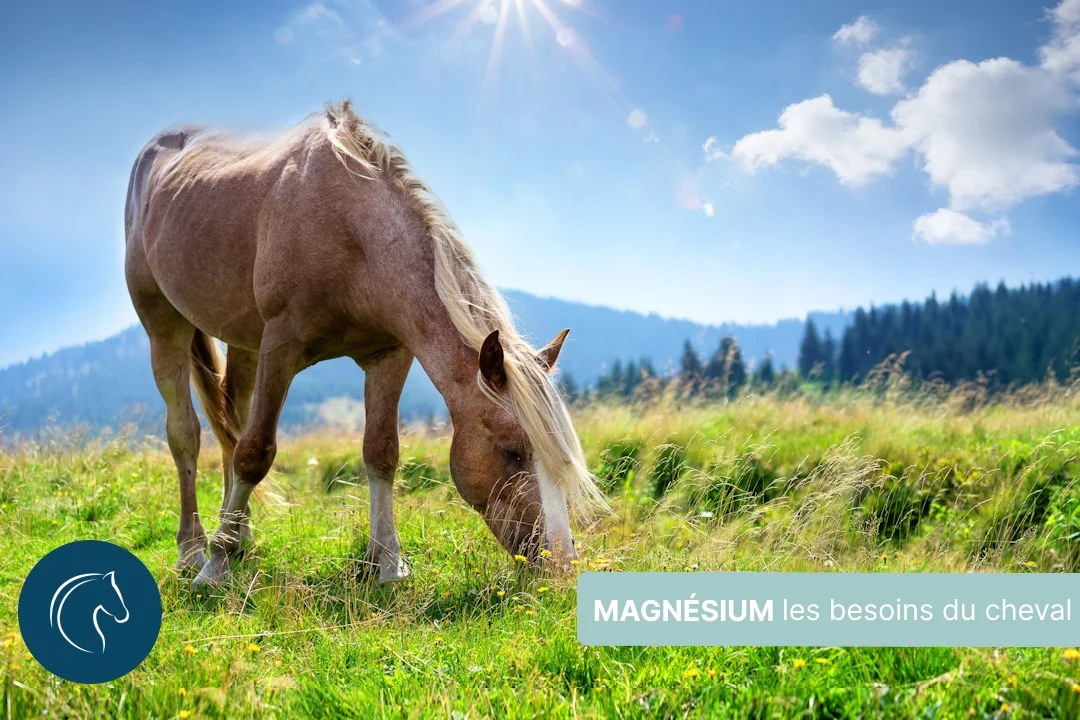
Does a horse need magnesium?
16 May 2025
Read moreMagnesium is an essential mineral for the equine body. Often underestimated, it plays a vital role in stress management, muscle support andnervous balance. Whether your horse is a competitive athlete or a leisure companion, ensuring optimal magnesium intake is essential to its health and performance.
Why is magnesium important for horses?
Magnesium is involved in over 300 enzymatic reactions. It is involved in muscle contraction, nerve transmission, heart rate regulation and behavioral relaxation. In horses, it is particularly useful for preventing cramps, muscle tremors and excessive stress-related reactions.
Signs of magnesium deficiency
Magnesium deficiency can manifest itself as :
- Unusual nervousness
- Frequent startle attacks or unexplained fears
- Concentration difficulties
- Trembling or stiff muscles
- Poor recovery after exercise
- Stress-related digestive disorders, colic...
These symptoms should give cause for alarm, especially in horses undergoing intensive training or undergoing a period of change (climate, environment, diet).
When should you supplement your horse's feed?
The magnesium content of hay or pasture can vary greatly depending on the soil. Horses that are athletic, under stress or sweating a lot have increased needs. Targeted supplementation can help restore balance and prevent muscular and behavioral disorders.
Mag Provide: support for nervous and muscular balance
Conclusion
Magnesium is an invisible but fundamental pillar of equine health. By monitoring for signs of deficiency and incorporating a natural supplement such as Mag Provideyou can sustainably support your horse's physical and mental fitness. Don't hesitate to consult your veterinarian to adjust your horse's intake according to its lifestyle.
FAQ
Do all horses need magnesium?
No, but horses under stress, in training or with an unbalanced diet are at greater risk of deficiency.
Can Mag Provide be given as a cure?
Yes, it is recommended as a 30-day course of treatment, followed by maintenance treatment for 10 to 15 days a month, depending on the horse's needs.
Is this supplement suitable for competition horses?
Yes, Mag Provide is formulated without doping substances and is suitable for sport horses.
-
 Horse advice
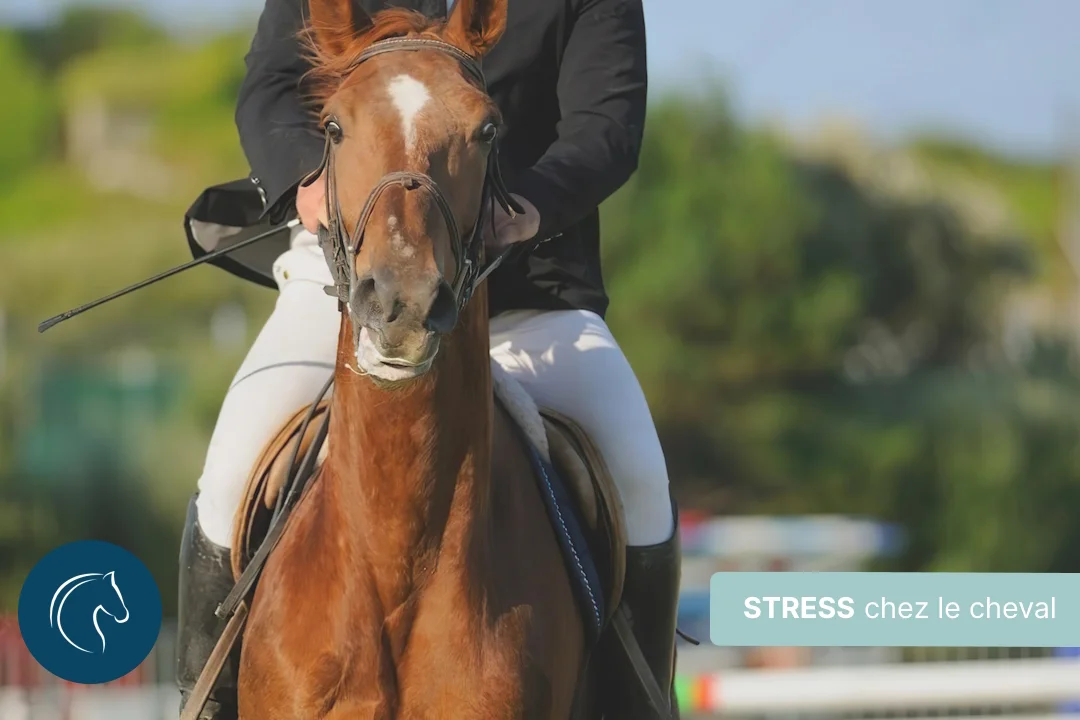
Stressed horse? origins, symptoms, prevention and care
12 May 2025
Read moreStress in horses is a physical and behavioral response to stressful stimuli, whether external or internal. It can be triggered by a variety of factors, including changes in the environment, transportation or health problems such as chronic pain. Generally speaking, horses are routine animals. Any change in this routine can lead to unusual nervousness. Lore & Science gives you its top tips for spotting, preventing and helping your horse suffering from stress.
What are the signs of stress in horses?
Careful, regular observation of your horse can help you to spot the signs by which it expresses its anxiety. Usually, these signs follow an external stimulus that triggers the stress reaction. Horses and mares have a tendency to opt for recurrent manifestations of their anxiety. So, the better you know your horse, the sooner you'll notice the emergence of these signals.
One of the most obvious signs of stress in a horse is restlessness. A tense animal may become restless, moving frequently around its paddock, shaking its head or showing signs of impatience. This agitation is often accompanied by sweating, even in the absence of intense exercise. When a horse is stressed, its sweat glands may become active, causing excessive sweating.
In addition to restlessness, tense muscles are another common indicator of stress in horses. In particular, the muscles around the neck and back can become stiff and contracted. This tension is a response to excitement or emotional discomfort. A stressed horse may also adopt abnormal behaviors, such as box ticking, swaying, or repeatedly lowering its head. These are all adaptation mechanisms to cope with stress.
What's more, a normally docile horse can become aggressive towards other horses or humans when subjected to high levels of stress. On the other hand, a horse may become reluctant to cooperate, which can complicate day-to-day management, such as grooming, tacking or boarding.
Variations in appetite are also common in stressed horses. Some may lose interest in food, leading to weight loss and reduced energy. Conversely, others may seek food excessively, developing inappropriate nibbling behaviors.
Finally, on a physiological level, stress can manifest itself in increased heart and respiratory rates, muscle tremors, and in some cases, signs of colic. In these cases, it's essential to call your vet as a matter of urgency.
How can you prevent stress in horses?
Also, on a daily basis, establish a stable routine for meals, exercise times, grooming and other daily activities, while incorporating time for grazing, moving around and interacting with other horses.
Finally, for more occasional stressful situations, such as transport, you can minimize stress factors by introducing desensitization. By gradually getting your pet used to dealing with these distressing stimuli, he'll be able to integrate their presence into his routine and reduce his anxious reactions. Accompanied by immediately effective solutions based on essential oils and medicinal plants such as Serenity, adaptation to change will be easier.
Tips for dealing with a stressed horse
Once you've identified the sources of stress for your horse, you can best support him in calming down and regulating his anxieties. From then on, it's essential to put measures in place to reduce or eliminate them as much as possible. For example, if a horse is stressed by overcrowding in a paddock, consider providing more space or reorganizing groups of horses to reduce feeding competition.
Combine a stable routine with regular, appropriate exercise.Positive interaction with your horse also contributes to his relaxation. Taking the time to brush, stroke and soothe your horse strengthens the bond between you and him, and fosters an atmosphere of trust.
Finally, in some cases, it may be necessary to consider more advanced stress management techniques, such as behavioral therapy, equine meditation or even consultation with an equine behavior professional.
As you can see, managing stress in horses is crucial to their well-being. To help your horse stay calm, it's essential to identify the potential causes of his stress and put in place measures to alleviate it. As is often the case, careful observation of your horse's behavior will help you to understand and alleviate its stress. Don't hesitate to ask your vet for a diagnosis and personalized advice, specific to your horse or mare.
Share your experience or questions with us in the comments ↓
-
 Horse advice
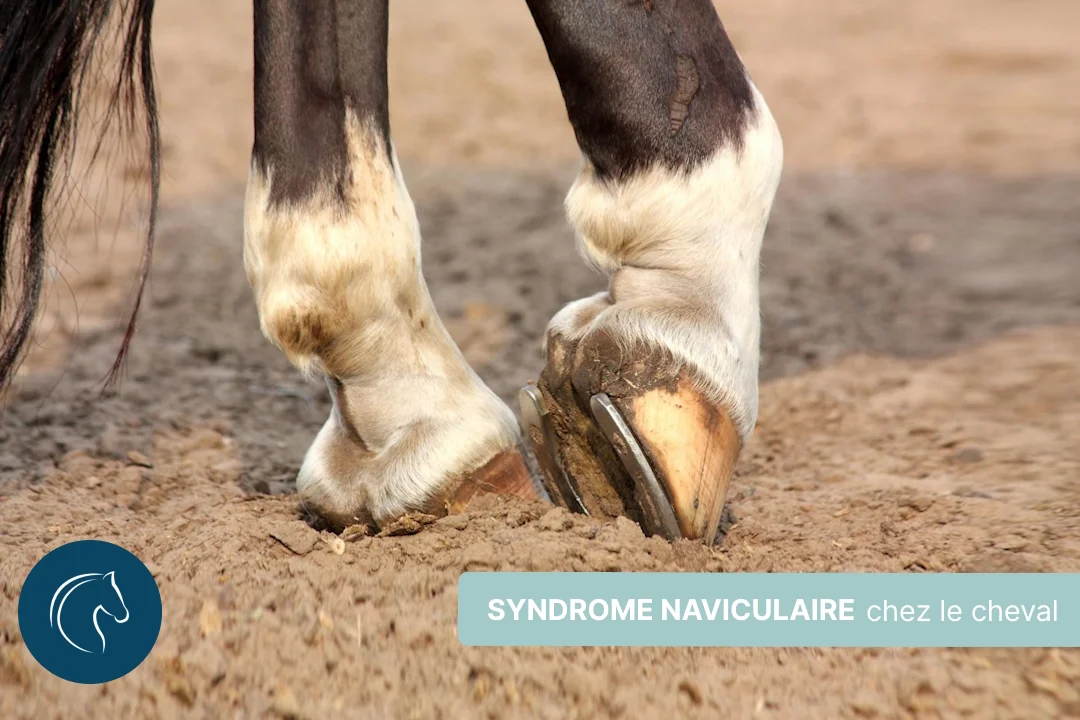
Understanding, preventing and treating navicular syndrome in horses
12 May 2025
Read moreAmong the conditions that can affect horses, navicular syndrome is a major concern for owners and riders alike. Lore & Science tells you all about navicular syndrome: its causes, its symptoms, and the different approaches to preventing and treating it.
What is navicular syndrome in horses?
Navicular syndrome, medically known as navicular disease syndrome, is a debilitating condition that frequently affects horses' feet. This insidious disease targets a specific area of the foot, located around the navicular, a small boat-shaped bone nestled inside the horse's foot. The manifestations of this disease can be varied, but are often characterized by inflammation, degeneration or lesions in the surrounding structures of the foot, resulting in great distress for the equines.
The exact causes of navicular syndrome sometimes remain obscure, and it seems that several factors are involved, including genetic, environmental and management factors. It is worth noting that certain breeds of horse have a greater predisposition to developing this condition, notably thoroughbreds and sporting breeds. Trail horses, whose activities place excessive stress on their forelimbs, are also at greater risk of developing navicular syndrome.
What are the symptoms of navicular syndrome?
The symptoms of navicular syndrome, often insidious and progressive, can vary from horse to horse, but they generally manifest themselves through a range of characteristic clinical signs. Among the most commonly observed symptoms, lameness is one of the most obvious. Horses with this condition tend to limp intermittently, often putting more weight on one of their forelimbs. Lameness may be more pronounced on hard or uneven ground.
Careful observation of your pet during exercise can also help you distinguish early symptoms. For example, a shorter stride or difficulty in fully extending the affected leg, which can lead to a jerky gait. Overall, horses with this condition may become reluctant to exercise, especially as their pain worsens. They may show signs of annoyance or refusal to jump or move quickly. Your horse or mare may also be less flexible and agile in its movements due to the joint stiffness caused by the syndrome.
In addition, a regular examination of your horse's feet and physiognomy can reveal warning signs. Typically, some horses develop abnormal musculature around their neck, particularly above the mane, as an attempt to compensate for pain in their forelegs. We also recommend regular examination and palpation of your horse's forelegs. Indeed, the area of the foot affected by navicular syndrome may become warm to the touch, due to inflammation of the surrounding structures.
Finally, any abnormal change in your horse's behavior, such as signs of lethargy or unexplained irritability, should alert you to his health. Of course, it's essential to note that these symptoms can vary in intensity, and that a horse suffering from navicular syndrome doesn't necessarily present all these signs at the same time. So, if you have any concerns, always consult your veterinarian for a precise, personalized diagnosis.
Can equine navicular syndrome be prevented?
How to treat a navicular horse
If you suspect your horse is showing symptoms of navicular syndrome, it's imperative to consult a veterinarian specializing in equine medicine. Diagnosis of this condition is based on a thorough clinical examination, X-rays, and sometimes ultrasound scans to assess the internal structures of the foot. Treatment of navicular syndrome in horses is a complex process designed to relieve pain, improve the animal's quality of life and prolong its career, where appropriate. The choice of treatment will depend on the severity of the disease, the horse's age and activity level, and the resources available to the owner.
Often, one of the first steps in treatment is to offer the horse complete or partial rest. Reducing physical activity, especially high-intensity exercise, helps relieve pressure on the affected foot structures. Sometimes, as a complement, specially designed shoes, such as orthopedic shoes, can be used to distribute the load more evenly on the horse's foot and reduce pressure on the navicular.
In terms of treatment, anti-inflammatory drugs can be prescribed by a veterinarian to relieve pain and inflammation. They are often administered during periods of crisis or continuously, depending on the severity of the disease. In some cases, intra-articular injections of corticosteroids or other substances are recommended to reduce inflammation in the foot joint and relieve pain.
It is crucial to note that treatment of navicular syndrome is often a long-term process and may require ongoing management by the owner and veterinary team. Regular follow-up with a veterinarian specialized in equine medicine is essential to assess disease progression and adjust the treatment plan accordingly.
Thus, navicular syndrome is a delicate condition that can affect the health and performance of horses. With proper management, appropriate treatment and close collaboration between owner and veterinarian, it is possible to improve the quality of life of horses with this condition, enabling them to lead comfortable, active lives.
Share your experience or questions with us in the comments ↓
-
 Default
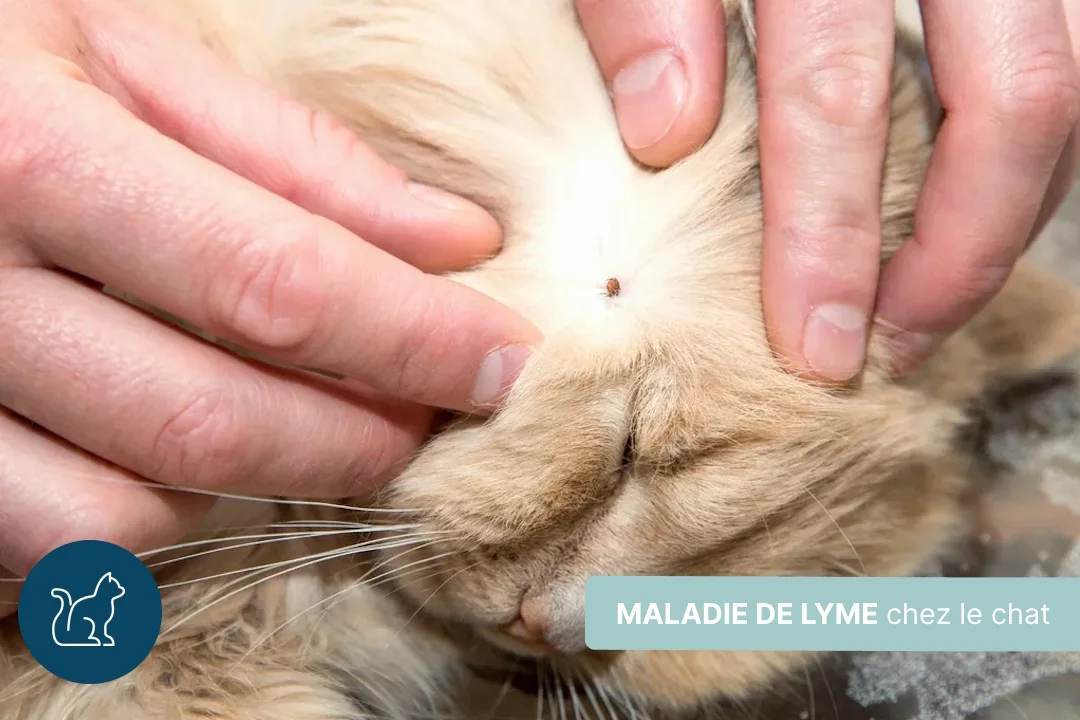
Lyme disease in cats: a complete guide
11 May 2025
Read moreLyme disease, also known as Lyme borreliosis, is an infectious illness caused by bacteria of the genus Borrelia. These bacteria are transmitted by Ixodes ticks, commonly known as deer ticks or black long-legged ticks. When an infected tick bites an animal, Borrelia bacteria can be transferred into the host's bloodstream, triggering the disease. While this disease is most commonly associated with dogs and humans, it can also affect cats. In this article, Lore & Science tells you all you need to know about Lyme disease in cats: symptoms, diagnosis, treatment and essential preventive measures to protect our felines.
What are the symptoms of Lyme disease in cats?
Want to know if your cat has Lyme disease? Here are the characteristic signs that should alert you. Note that these can be varied and non-specific, making diagnosis sometimes difficult.
Joint pain and intermittent lameness
Joint pain is common in cats infected with Lyme disease. These pains can be felt in various joints of the animal's body. You may notice that your cat avoids being touched or handled, or it may emit plaintive meows when it moves.
Thus, one of the most common symptoms of Lyme disease in cats is intermittent lameness, linked to these inflamed joints. What does "intermittent lameness" really mean? Well, it's a sudden, fluctuating lameness that can affect different legs at different times.
Persistent fever
Fever is a common reaction of the body in response to infection. If your cat has a persistent, unexplained fever, this may be a worrying indicator. Remember that fever is the body's defense mechanism against pathogenic invaders. When it lasts over time, it may indicate a prolonged struggle against the bacteria responsible for Lyme disease.
Lethargy and loss of appetite
As with many other conditions, cats with Lyme disease may become lethargic and less active than usual. They may also lose their appetite, which can lead to weight loss. As explained above, these are not symptoms specific to the disease, but rather an indicator of a worrying state of health in the cat, which should lead you to seek veterinary advice. As with all feline diseases, the symptoms of Lyme disease in cats can vary from one individual to another, and not all infected cats will show all these signs. In addition, these symptoms may also be due to other medical conditions, making the diagnosis of Lyme disease more complex. So, if you observe one or more of these symptoms in your cat, it's imperative that you seek prompt veterinary advice. Only your vet can carry out blood tests to detect the presence of antibodies to Borrelia bacteria, and thus confirm the diagnosis. Anti-Borrelia antibody tests, such as ELISA (enzyme-linked immunosorbent assay) followed by a Western blot test, are commonly used to detect the presence of the bacteria in a cat's blood.
How to treat Lyme disease in cats?
Treatment of Lyme disease in cats mainly involves theadministration of antibiotics such as doxycycline oramoxicillin. Treatment is often necessary for several weeks to completely eliminate the Borrelia bacteria from the cat's body.
How can you protect your cat from Lyme disease?
As you can see, Lyme disease is transmitted to cats, as it is to humans, by the bite of ticks carrying the bacterium. Use antiparasitic products recommended by your veterinarian to protect your cat from ticks. These products are often available in pipette, collar or tablet form. Follow your vet's instructions for application and renewal of these products, as some may require monthly administration.
However, the use of antiparasitic products doesn't mean you don't need to check your feline regularly and carefully for ticks, especially if you live in a region where they are common. Careful palpation of your cat's skin and fur will enable you to detect them. If you find any, remove them immediately with a suitable tick remover, taking care to remove the whole tick, including the head.
To limit the risk of bites in your cat's environment, trim back the vegetation around your house and garden to reduce potential tick habitats. Also, avoid letting your cat roam in tall grass or wooded areas, where ticks are more likely to be found. Finally, if you have other pets, especially dogs, make sure you protect them from ticks, as they can bring ticks into the house.
In conclusion, although Lyme disease is less common in cats than in dogs and humans, it remains a potential threat to their health. Being vigilant, especially in areas where ticks are common, and taking appropriate preventive measures can help protect your cat from this infectious disease. If you suspect that your cat is showing symptoms of Lyme disease, don't hesitate to consult a veterinarian immediately for an accurate diagnosis and appropriate treatment.
Share your experience or questions with us in the comments ↓
Search on blog
Last blog articles
On sale
100% natural guaranteed solutions















Secure
payment

100% plant-based
GMO-free

Made
in France

Fast
delivery

No chemical
agents

Newsletter Lore&Science
Subscribe and
Subscribe and
get 10% off