









Connexion
Create an account
Create an account
Connexion

Lore&Science's blog
Discover our range of health supplements specially formulated to support the well-being of dogs, cats, and horses, helping maintain their vitality, mobility, and overall balance every day
-
 Horse advice
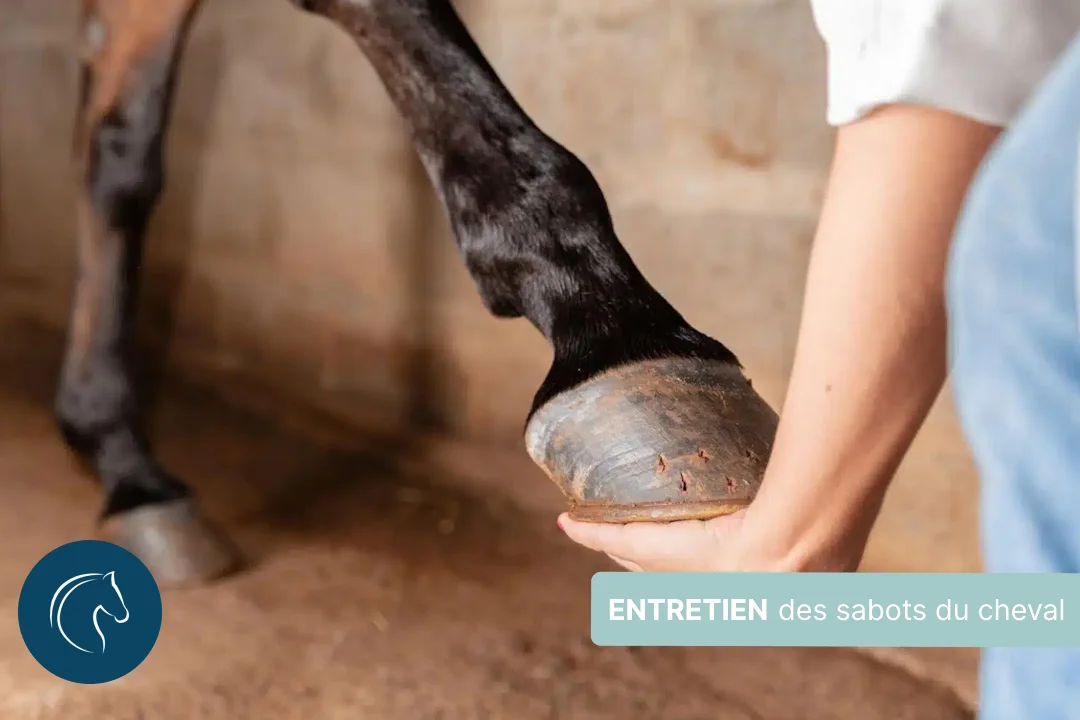
Caring for horse hooves: what are the solutions?
08 January 2026
Read moreThe hoof horn protects the foot and helps cushion it. When it becomes dry, brittle, or uneven, the horse may experience discomfort and be prone to cracks or sensitivity on certain types of terrain.
These vulnerabilities are common during seasonal changes and depending on the environment.
Here's how to understand the causes, recognize the warning signs, and take action with concrete solutions.Why can hoof horn become brittle?
Understanding the causes of poor hoof quality is essential in order to take effective action. In most cases, several factors combine to gradually weaken the foot: living conditions, trimming, mechanical stress, and nutritional balance.
Here are the main factors that can cause dry, brittle, or uneven corneas:
- Alternating humidity and dryness causes the water content of the horn to vary and promotes cracking.
- Inappropriate trimming or shoeing, or excessive delays between two interventions.
- Poor environment (mud, wet bedding, urine), which softens the horn and weakens the frog.
- Poor diet or diet lacking in nutrients beneficial to keratinized tissues.
- Significant mechanical stress (abrasive soil, intense work), which increases wear and tear and microtrauma.
What signs should raise alarm bells?
The symptoms may go unnoticed at first, especially if the horse compensates by changing its footing. However, certain visible signs on the foot or changes in locomotion should attract the owner's attention.
Being attentive to these symptoms allows for faster and more effective treatment. Here are the main signs to watch out for:
- Dull, dry surface with chips or brittle areas.
- Cracks or fissures (seimes), sometimes painful if they deepen.
- White line that is fragile or coming apart, with accumulation of dirt.
- Soft, foul-smelling fork, often associated with excess moisture and lack of ventilation.
- Sensitivity on hard/rocky ground, shortened strides, or hesitation to put your foot down.
- Unusual warmth in the foot or discomfort when handling (foot care, cleaning).
How can you effectively care for hoof horn?
When faced with this type of problem, a comprehensive approach is recommended, combining hygiene measures, environmental management, monitoring by a farrier, and nutritional support if necessary.
Here are some practical tips to help your horse regain healthier, more even, and more comfortable hooves:
- Schedule regular follow-ups: on average every 5 to 8 weeks, depending on growth and activity.
- Clean and inspect the feet: frog, white line, wall, and presence of foreign bodies.
- Clean up the environment: dry area, clean bedding, limited muddy areas, drainage if possible.
- Depending on the weather: prioritize cleanliness in wet conditions, support flexibility in dry conditions.
- Balanced diet: high-quality forage and adequate mineral intake.
- Consult quickly in case of lameness, strong odor, or deep cracks.
In addition to these measures, a nourishing external treatment can help preserve the elasticity of the horn and protect the foot from everyday wear and tear.
Opti Horn: a natural treatment to nourish and protect hooves
Conclusion
High-quality hooves are built over time: proper trimming, clean feet, a healthy environment, and a balanced diet make all the difference. By identifying dryness, cracks, or fragility in the frog early on, you can protect your horse's comfort and mobility.
As part of a natural prevention approach, Opti Horn by Lore & Science can be a useful ally in nourishing, protecting, and providing comfort to the hoof, complementing good daily practices.
FAQ
How often should a horse's hooves be cleaned?
As often as possible, ideally every day. This limits foreign objects and allows for early detection of a damaged fork or crack.
How long does it take to see an improvement in the cornea?
The horn renews itself slowly. An improvement can be seen within a few weeks, but lasting change often takes several months.
Do barefoot horses require different care?
Often yes: appropriate trimming, gradual transition on hard ground and, if necessary, occasional protection on aggressive terrain.
When should you seek emergency medical attention?
In case of lameness, excessive heat in the foot, pronounced digital pulse, very strong odor, or deep cracks.
Is Opti Horn suitable for regular use and how should it be applied?
Yes. Apply to clean, dry hooves, covering the entire foot. The usual frequency is 2 to 3 times a week, to be adjusted according to the season.
-
 Horse advice
Your dog's immune system: how to strengthen it?
11 December 2025
Read moreA dog's immune system plays a vital role in protecting its body against pathogens such as bacteria, viruses, and parasites. When its defenses are balanced, dogs are more resistant to infections and recover more easily after illness or surgery.
However, many factors can weaken immunity: age, stress, an unbalanced diet, chronic diseases, or heavy treatments. A dog with weakened immune defenses becomes more vulnerable to recurrent infections, allergies, or digestive disorders.
Why can a dog's immune system become weakened?
The dog's immune system is a complex set of organs, cells, and molecules that work together to defend the body. Over time or under the influence of various factors, this balance can become fragile.
Among the most common causes of weakened immune defenses are:
- Advanced age: senior dogs naturally have weaker immune systems.
- A poor-quality diet, low in nutrients (vitamins, minerals, fatty acids)
- Chronic stress (changes in routine, loneliness, moving house, arrival of a new pet, etc.)
- Chronic diseases (kidney failure, hormonal disorders, autoimmune diseases, etc.).
- Parasitic infestations repeated (fleas, ticks, intestinal worms)
- Heavy or prolonged treatments that may disrupt the immune balance
- A polluted or irritating environment (cigarette smoke, harsh household products, pollution)
Often, it is not just one but several of these causes that combine and ultimately weaken a dog's immune system. This is why it is important to take a comprehensive approach, combining a healthy lifestyle, veterinary care, and, if necessary, targeted supplements.
The main signs of a weakened immune system in dogs
A dog with a weakened immune system does not always show dramatic symptoms. The signs can be subtle and develop gradually. However, there are certain clues that should alert the owner.
Here are the most common signs of a weakened immune system in dogs:
- Repeated infections: ear infections, conjunctivitis, infections, etc., which recur frequently
- Skin problems: itching, redness, recurring skin infections, slow healing
- Digestive problems: diarrhea, occasional but frequent vomiting, intestinal sensitivity
- Unusual fatigue: decreased activity, intolerance to exercise, dog more apathetic than usual
- Dull coat and increased hair loss, a sign of general imbalance
- Allergies or hypersensitivities that seem to intensify over time
If you notice several of these signs in your dog, it is recommended that you consult your veterinarian. They will be able to investigate any underlying causes (chronic illness, deficiency, parasites, etc.) and suggest appropriate treatment.
How can you strengthen your dog's immune system?
Eat a complete and balanced diet
Diet is one of the pillars of immunity. A dog that receives high-quality food, tailored to its age, size, and activity level, has better resources to defend its body.
Choose foods rich in high-quality protein, essential fatty acids (omega-3 and omega-6), vitamins (A, C, E, B group), and minerals (zinc, selenium, etc.). These nutrients contribute to the proper functioning of the immune system and protect cells against oxidative stress.
Depending on your dog's needs, your veterinarian may also recommend a balanced homemade diet, a mixed diet, or specific physiological kibble.
Promote a healthy lifestyle and limit stress
The environment and lifestyle also have a direct influence on the immune system. A stressed or sedentary dog will be more vulnerable than a well-stimulated and secure dog.
To support your immunity on a daily basis:
- Ensure that he gets regular walks that are suited to his abilities.
- Offer games, positive reinforcement, and scent-based activities to stimulate him mentally.
- Maintain a calm, predictable, and reassuring environment.
- Ensure effective external and internal parasite control (treatments against fleas, ticks, and worms).
- Ensure quality sleep with a comfortable and well-placed bed.
A dog that is mentally and physically healthy generally has a more resilient immune system.
Ensure regular veterinary check-ups
Regular veterinary visits allow for early detection of any imbalances or diseases that could disrupt your dog's immune system.
When indicated, vaccines help protect your pet against certain serious infectious diseases. Vaccination protocols are tailored to the dog's age, lifestyle, and overall health.
If there is any doubt about your pet's immunity, the veterinarian may suggest additional tests (blood tests, specific checkups) and adjust the treatment plan.
Natural supplements: targeted support for immunity
In addition to a healthy lifestyle, certain natural supplements can help support the dog's immune system . They generally contain vitamins, minerals, antioxidants, or plant extracts known for their role in maintaining immune function.
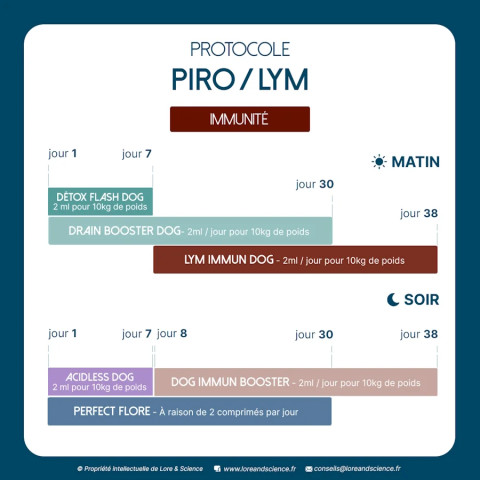
The supplements in the Lore & Science range, such as Perfect Health and Dog Immune Booster, are formulated to support dogs during periods of vulnerability: convalescence, seasonal changes, stress, aging, or immune weakness.
Perfect Health: daily support for your natural defenses
Dog Immun Booster: to boost the immune system
Maintaining immunity means protecting your dog's overall health.
Strengthening your dog's immune system does not rely on a single action, but on a set of best practices: high-quality food, a balanced lifestyle, a peaceful environment, regular veterinary check-ups, and, when relevant, support from natural supplements.
By taking an interest in your pet's immunity, you are taking preventive action and helping to limit the risk of repeated illnesses, chronic fatigue, or difficult recoveries.
Every dog is unique, so don't hesitate to ask your veterinarian for advice on how to best adapt your pet's diet, lifestyle, and supplements to their specific situation.
FAQ
How can I tell if my dog has a strong immune system?
A dog in good general health, with a shiny coat, stable weight, energetic behavior, and few recurring infections or disorders, generally has a satisfactory immune system. However, only a veterinary examination and, if necessary, tests can provide a more accurate assessment of its health.
Which dogs need immune support the most?
Growing puppies, senior dogs, convalescing animals, those suffering from chronic diseases, or those under significant stress can more easily benefit from specific support for their immune systems. Your veterinarian will be able to advise you based on your dog's situation.
Can natural supplements replace vaccines or prescribed treatments?
No. Natural supplements are not a substitute for vaccines or medication prescribed by a veterinarian. They are used as a complement to support the body, but are never a substitute for appropriate medical care.
Which dietary supplement should you choose between Perfect Health and Dog Immune Booster?
These two supplements have the same purpose: to boost your dog's natural defenses. Perfect Health comes in tablet form made from dried herbs, while Dog Immun is a liquid concentrate made from fresh herbs. The tablet form is recommended for dogs that are picky eaters.
However, it is recommended that you seek the advice of your veterinarian, who can adjust the dosage and duration of use according to your dog's age, weight, and health.How long does it take to see an effect on my dog's immunity?
Improving immunity is a gradual process. With a healthier lifestyle and regular use of appropriate supplements, some owners notice changes within a few weeks. However, this depends on many individual factors, and veterinary monitoring remains essential in case of doubt or persistent symptoms.
-
 Horse advice
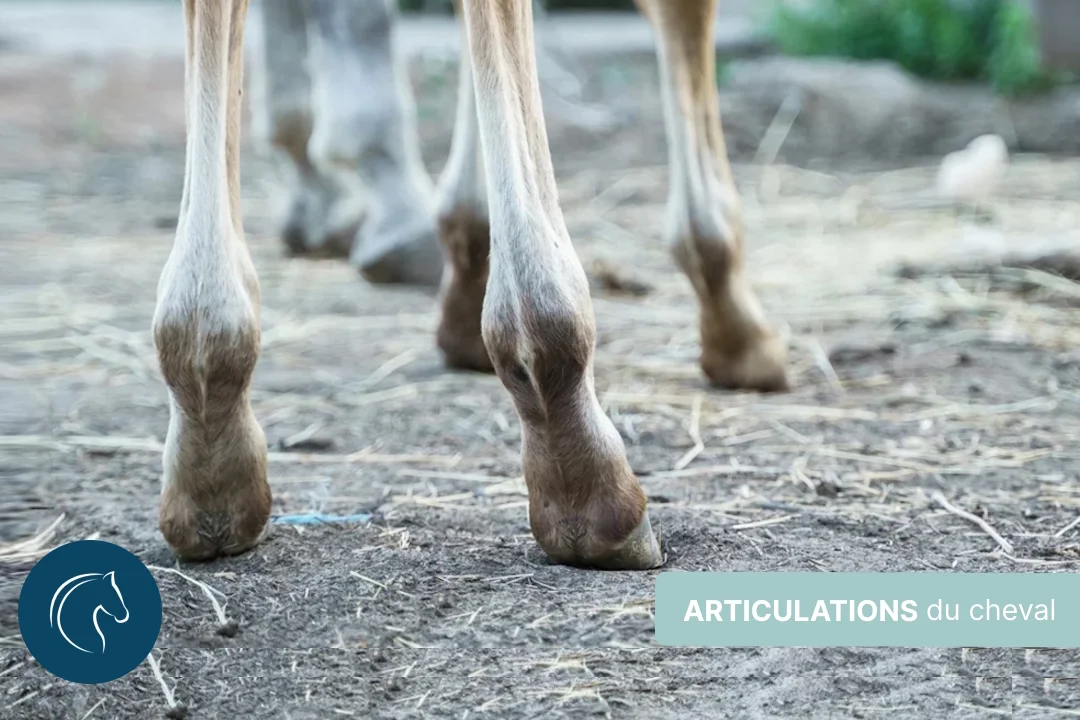
Horse joints: how to prevent injuries
03 December 2025
Read moreA horse's joints are constantly under strain, whether the animal is being ridden, training for sport, out for a ride, or simply moving around in the pasture. Over time or withrepeated exertion, these locomotor structures can become weakened, leading to stiffness, pain, or even lameness.
Preventing joint injuries not only preserves the horse's well-being, but also maintains its performance and avoids costly complications in the long term.
Why can horses suffer from joint problems?
Joint problems arise when the supporting structures—cartilage, tendons, ligaments—are overused or weakened by external or internal factors. Understanding these causes allows us to take effective action and anticipate injuries.
Here are the main factors that can weaken a horse's joints:
- Working on hard, uneven, or slippery floors.
- Training that is too intense, irregular, or poorly progressive.
- Excess weight increases pressure on the joints.
- Conformation or morphological predispositions.
- Lack of warm-up or insufficient recovery.
- Natural aging of cartilage and supporting structures.
Signs to look out for in your horse
Horses often hide their pain, but certain behaviors or physical signs should be cause for concern. Early detection of these signs allows you to take action before the situation worsens.
Here are the main signs of joint fragility:
- Stiffness at the beginning of the session.
- Hesitant, irregular, or asymmetrical gait.
- Difficulties with transitions or refusal to perform certain exercises.
- Heat or slight inflammation around a joint.
- Loss of engagement of the hindquarters or lack of drive.
- Decreased performance or economical behavior.
How can you effectively prevent joint injuries?
Preserving a horse's joints requires a combination of work management, healthy lifestyle choices, and targeted natural support.
Here are some concrete actions to implement:
- Warm up gradually to prepare your muscles and joints.
- Vary work areas to reduce repetitive strain.
- Include rest and recovery periods in the schedule.
- Maintain an ideal body weight to limit stress on the joints.
- Secure the work environment to prevent slips and injuries.
- Adjust limb protection according to the effort required.
- Naturally strengthen your joints with a targeted supplement.
In addition, a natural solution can help support cartilage, reduce stiffness, and maintain optimal mobility.
Conclusion
Protecting a horse's joints is essential to ensuring its well-being, prolonging its sporting career, and preserving its quality of life. Through appropriate work management, a safe environment, and the natural support of Joints Support, it is possible to effectively prevent joint injuries and ensure flexible, durable, and comfortable locomotion.
FAQ
Can young horses also have joint problems?
Yes, especially during growth, in cases of lack of progressivity in the work or unsuitable surfaces.
Is a joint supplement useful for prevention?
Yes, especially for sport horses, older horses, or those with sensitive conformation.
Can you work with a horse that has mild joint discomfort?
It is best to seek veterinary advice, as inappropriate exercise can aggravate the situation.
Is Joint Support suitable for older horses?
Yes, it helps support flexibility and comfort in aging joints.
-
 Horse advice
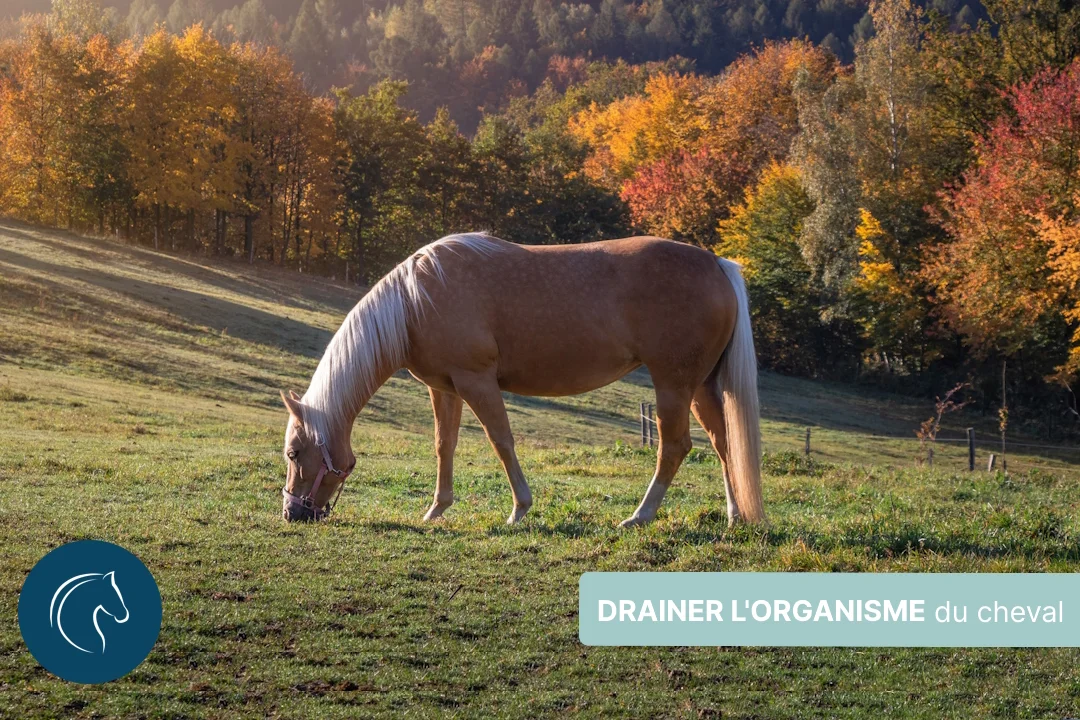
Draining the horse's body: when and how?
28 October 2025
Read moreA horse's metabolism is put under daily strain by diet, training, stress and the environment. When the emunctories - mainly the liver, kidneys, skin and intestines - are overloaded, signs of fatigue, stiffness or reduced performance may appear. Draining the body aims to support these organs in their elimination work, restoring comfort and vitality.
Why might a horse need drainage?
Several situations can increase the toxic or metabolic load and justify a drainage cure:
- Seasonal changes (spring/autumn) with moulting and feeding variations.
- Rations rich in starch/sugar, dusty forages or those containing mycotoxins.
- Recent medication (deworming, anti-inflammatory treatments) or convalescence.
- Stress, transport, competition, change of lifestyle or boarding.
- A sedentary lifestyle, excess weight or advanced age, all of which slow down physiological processes.
- Humid, dusty environment or presence of skin irritants.
Signs to recognize: indicators of an overloaded body
In horses, the signs are sometimes subtle. The following clues should attract your attention:
- Dull coat, difficult shedding, sensitive skin or dandruff.
- Lethargy, slow recovery after exercise, reduced desire to work.
- Morning stiffness, minor locomotor discomfort, slight congestion.
- Soft droppings, alternating diarrhea/constipation, flatulence, abdominal tenderness.
- More pronounced urine odour, less drinking water consumed.
- Irregular appetite, irritability, nervousness or loss of concentration.
When should a horse's body be drained?
Generally speaking, one or two cures a year are sufficient for a healthy horse. The key periods are :
- In spring and autumn to accompany transitions (moulting, new grass, climatic variations).
- After a period of treatment (deworming, antibiotics, anti-inflammatories), on veterinary advice.
- When returning to work, changing diet or pension.
- After repeated travel, competitions or significant stress.
- In convalescence, to support elimination functions.
Precautions: avoid treatments without veterinary advice for pregnant or nursing mares, foals or horses with a declared pathology. If in doubt, ask your veterinarian for advice.
How to drain in practice: action plan
Early management significantly improves drainage efficiency and limits the duration of discomfort. Implement the following steps, in sequence or simultaneously, depending on the situation:
- Make sure clean water is always available, and check that drinking troughs are working properly.
- Encourage daily movement (paddling, active walking, light sessions) to stimulate circulation.
- Clean up the environment: limit dust and mould (dry hay storage, clean bedding).
- Adapt the ration: give priority to quality hay, reduce excess starch and increase fiber.
- Supportdigestive balance in case of irregularities (yeast, prebiotics).
- Use natural drainage supplements adapted to the horse, respecting dosage and duration.
- Consult your veterinarian in the event of marked or persistent symptoms, or in case of doubt (gestation, pathologies).
Conclusion
Drainage of the horse's body is a useful management tool when carried out at the right time and with simple measures: hydration, movement, balanced ration and targeted supplementation. By taking a gentle, gradual approach, and listening to the signs, you'll promote comfort, performance and well-being over the long term.
FAQ
How often should a drainage cure be carried out?
For a healthy horse, 1 or 2 times a year, especially in spring and autumn, are generally sufficient. Adjust according to activity, age and your veterinarian's advice.
Can an older horse be drained?
Yes, with caution and veterinary advice. Give preference to a gentle supplement like Drain Support, optimal hydration and close monitoring.
What's the difference between "drainage" and "liver detox"?
Drainage targets all emunctories (liver, kidneys, skin, intestines). A hepatic detox targets the liver in particular. The two approaches can be complementary if properly implemented.
Can I combine Drain Support or Drain Horse with other supplements?
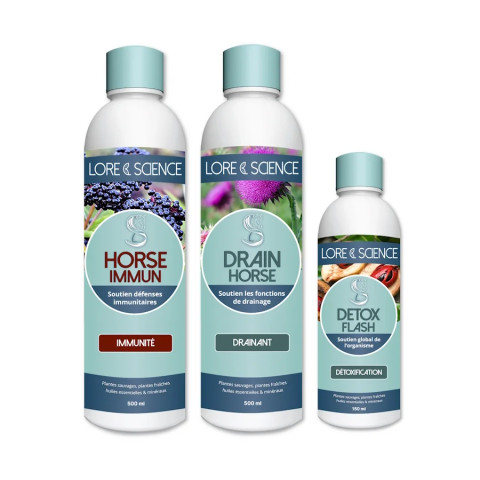
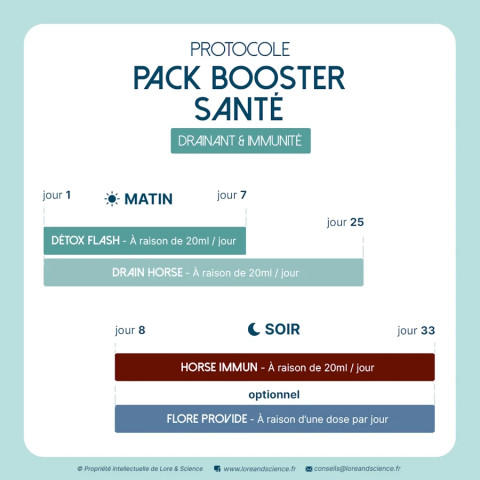
Yes, we generally recommend combining it with the Détox Flash supplement, but avoid redundancy of active ingredients. Ask your veterinarian or a professional for advice before making any specific combination.
-
 Horse advice
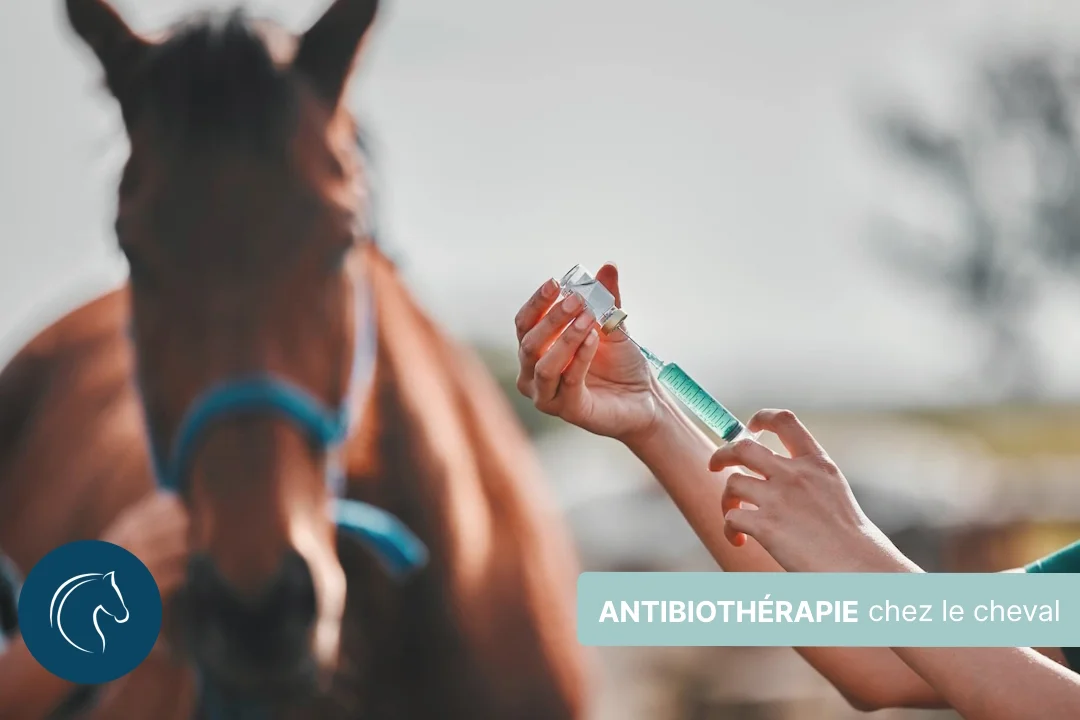
Heavy antibiotic therapy for horses, cleansing the body
13 October 2025
Read moreAfter heavy antibiotic treatment, the horse may experience general fatigue, an imbalance in intestinal flora and overload of the liver and kidneys. These emunctory organs play an essential role in eliminating waste and drug residues. Gentle, natural detoxification is therefore crucial to restoring internal balance, promoting recovery and supporting the horse's long-term health.
Do horses need to cleanse their bodies after antibiotic treatment?
Antibiotics, although indispensable for combating bacterial infections, exert considerable pressure on the horse's organism. Their action is not limited to pathogenic bacteria: they also affect the beneficial intestinal flora and can overload the liver, the main detoxification organ. This alteration of the intestinal microbiota disrupts digestion, immune defenses and general vitality.
What's more, some antibiotic molecules are metabolized slowly by the liver and kidneys. Without proper support, these organs can become exhausted, leading to a build-up of toxins and a slowdown in metabolism.
What are the warning signs after antibiotic treatment?
After intensive antibiotic treatment, several signs may indicate that the horse needs detoxifying support:
- Unusual fatigue, reduced energy or performance.
- Dull coat, loss of appetite, difficult digestion.
- Increased sensitivity, reduced resistance to infection.
- Irregular droppings or stronger smell.
- Stiffness, lack of muscle tone or apathetic behavior.
What to do after antibiotic treatment
It is essential to intervene quickly after antibiotic therapy to help the horse regain its natural balance. A global approach combinesnutrition, liver and kidney support, and restoration of intestinal flora.
Here are the key steps for optimal recovery:
- Offer a diet rich in fiber and low in fast sugars to boost digestion.
- Stay well hydrated to help eliminate metabolic waste.
- Incorporate natural drainage to stimulate the liver, kidneys and intestinal tract.
- Support intestinal flora with horse-specific probiotics.
Conclusion
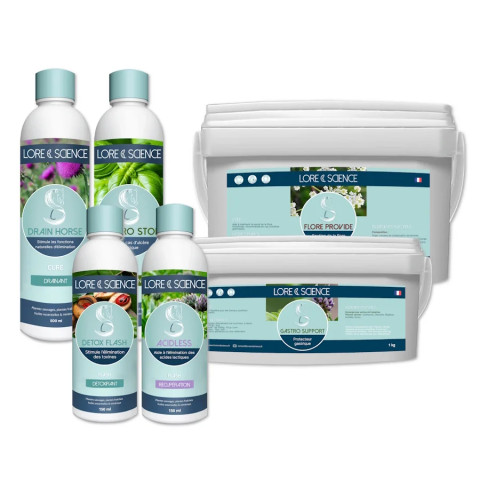
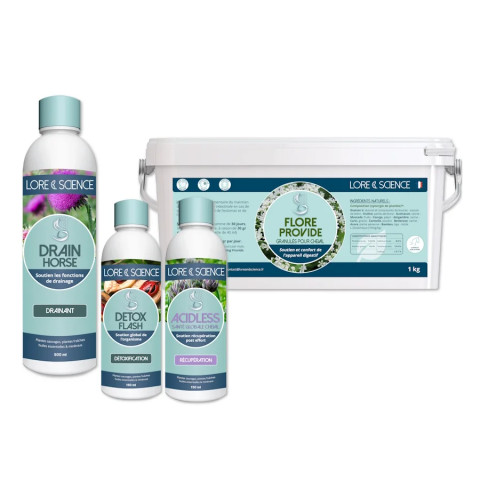
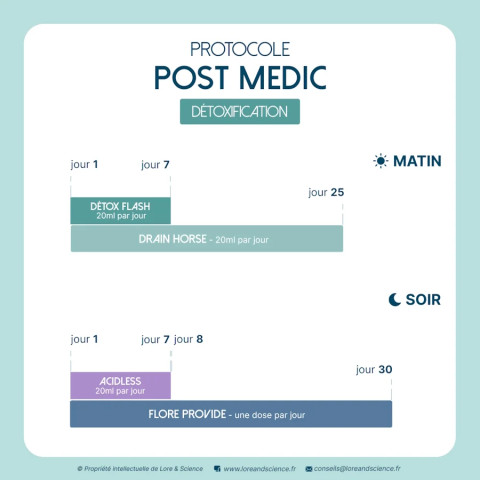
After heavy antibiotic treatment, helping your horse to eliminate drug residues and restore its internal balance is an essential step in preserving its health and performance. By combining a balanced diet, veterinary care and Lore & Science's Protocole Post Médic Cheval, you can offer your horse the best conditions for a complete and lasting recovery.
FAQ
Why is a detox necessary after antibiotic treatment?
Antibiotics disrupt intestinal flora and place heavy demands on the liver and kidneys. A detox helps restore balance and eliminate drug residues.
How long does a post-antibiotic detox cure last?
A course of treatment generally lasts 3 to 4 weeks, depending on the horse's general condition and the intensity of the treatment.
Can drainage be started during antibiotic treatment?
It's best to wait until the end of treatment, but gentle support can be considered with veterinary approval.
-
 Horse advice
Change of season: detoxify and boost your horse's immunity
26 September 2025
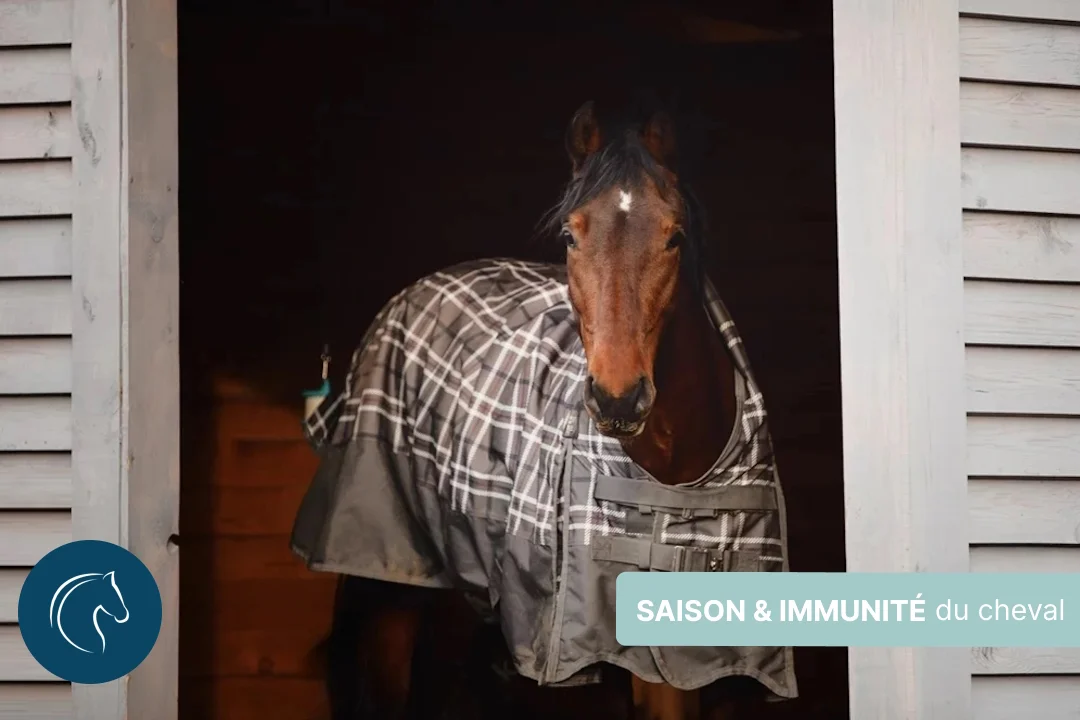
Read moreWhen temperatures fluctuate, humidity rises and grass quality changes, the horse's body is put under greater strain. Between the need to eliminate metabolic waste, minor sluggishness and increased sensitivity to infectious agents, targeted support helps your horse to get through the period more comfortably.
Why does the change of season weaken a horse's body?
The horse's body is sensitive to changes in the environment, climate and diet, which is why it's vital to adapt effectively to seasonal changes. Here are a few examples of situations that can affect your horse:
- Thermal and hygrometric variations: they upset thermoregulation and increase energy expenditure.
- Dietary transition: richer grass in spring, poorer grass in autumn, changes of forage or pasture.
- Hepatic and renal load: metabolism of sugars, proteins and environmental toxins to be eliminated.
- Oxidative stress: variations in activity, moulting, training and travel all contribute to the production of free radicals.
- Intestinal microbiota in transition: adapting to new intakes and becoming temporarily unstable.
Signs to watch out for during seasonal transitions
In order to anticipate and prevent various disorders in your horse, it is important to recognize certain signs such as :
- Dull coat, long or irregular moult; mild itching.
- Slight drop in fitness, slower recovery after exercise.
- Fluctuating appetite, softer or irregular droppings.
- Diffuse muscle tension, morning stiffness, back tenderness.
- Increased sensitivity to cold snaps or everyday aches and pains.
Action plan: gentle detox and immune support
Acting early, ideally two to three weeks before the seasonal changeover, helps the body adapt. Early treatment limits theaccumulation of metabolic waste and helps the body's natural defenses.
1) Lifestyle and environmental management
- Plentiful clean water, salt stones available.
- Gradual food transition (10-14 days) between plots/hays.
- Daily outings and free movement to stimulate natural drainage.
- Regular brushing to accompany moulting and activate microcirculation.
- Dry shelter and clean bedding to limit humidity and the risk of skin infections.
2) Functional power supply
- Provide quality fibers (various types of hay) and split if necessary.
- Securing the microbiota: yeast/probiotics and prebiotics.
- Natural antioxidants (vitamin E, selenium, polyphenol-rich plants) as required.
3) Targeted natural supplements
Draining herbs and immunomodulating nutrients can gently support liver/kidney function and natural defenses. The aim is not to "force", but to support physiological mechanisms.
Conclusion
Seasonal changes place heavy demands on a horse's body. By combining an adapted lifestyle, a controlled dietary transition and targeted natural support, you can help your horse get through these periods gently. In case of doubt or persistent symptoms, ask your veterinarian for advice.
FAQ
When should I start a detox program for my horse?
Ideally 2 to 3 weeks before the season changeover, then continue for 3 to 6 weeks depending on the animal's response.
Is a detox suitable for working horses?
Yes, by favouring a gentle detox, compatible with training and recovery, and by adapting energy intake.
How do I know if my horse needs immune support?
Early signs include difficult moulting, unusual fatigue, irregular droppings or increased sensitivity to small cold snaps.
Can I use the Essential Health Pack with a veterinary treatment?
The pack can be integrated into a comprehensive treatment program. If you are currently undergoing treatment, ask your veterinarian for advice.
-
 Horse advice
Pollens and respiratory allergies in horses: how to prevent them?
11 August 2025
Read moreUnderstanding, recognizing and acting to protect equine respiratory health
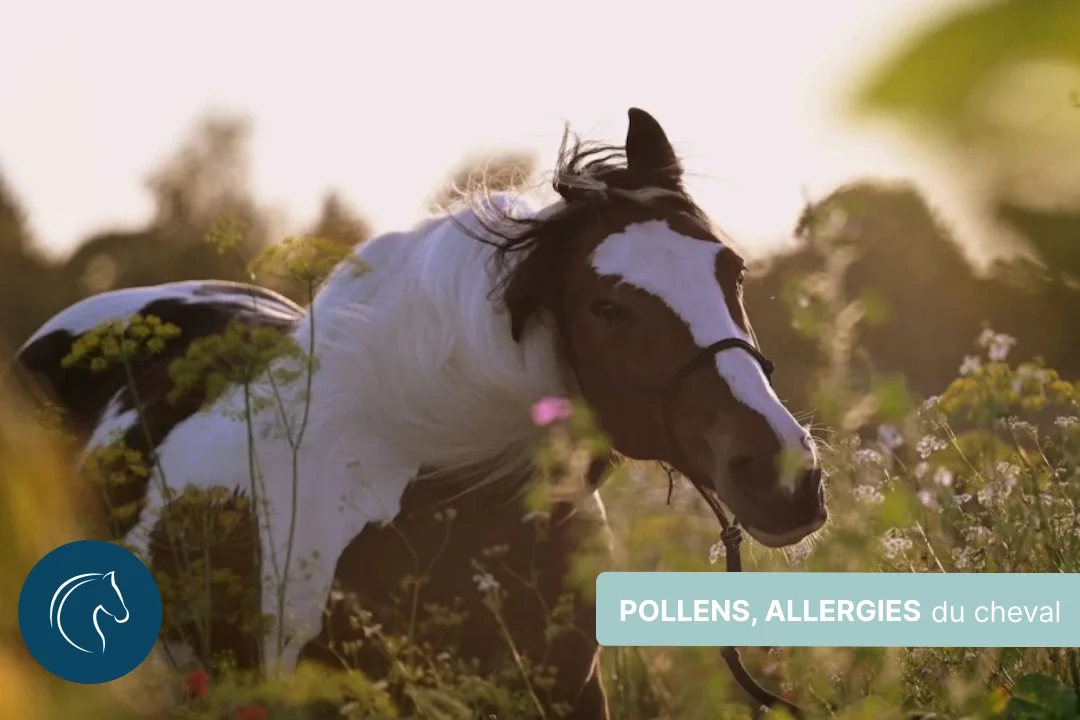
Pollen-related respiratory allergies are common in horses, especially in spring and summer. They can affect performance, comfort and quality of life. In this article, we'll look at why they occur, how to recognize the signs and what solutions can help prevent them.
Why can a horse suffer from respiratory allergies to pollen?
Respiratory allergies occur when the horse's immune system overreacts to certain airborne particles, such as pollen. Causes and aggravating factors include:
- Seasonality: high pollen counts in spring and summer.
- Individual sensitivity: some horses are genetically more reactive.
- Dusty environment: dry hay, undusted bedding, dry paddocks.
- Weakening of the immune system: stress, deficiencies, chronic illnesses.
Signs to look out for in your horse
Respiratory allergy symptoms can vary in intensity, but the most common are :
- Clear or slightly tinted nasal discharge.
- Dry cough, more frequent with exertion or in dusty environments.
- Faster breathing or wheezing.
- Decreased performance and unusual fatigue.
- Nose scratching or head rubbing.
How can you take effective action to protect your horse?
From the very first signs, it's important to take action to prevent the allergy from taking hold or worsening.
- Limit exposure: take the horse out at times when pollen is less present (early morning or evening), wet hay, use dust-free bedding.
- Support immunity: balanced diet, antioxidant and vitamin intake.
- Maintain respiratory hygiene: promote healthy air in the stable (good ventilation, no excessive dust).
- Consult a veterinarian if symptoms persist or worsen.
In addition, a natural preventive solution such as Allergo Protect helps to support the body's resistance to allergens and reduce excessive reactions.
Conclusion
Pollen-related respiratory allergies in horses are annoying, but early treatment combined with targeted prevention and natural support like Allergo Protect can limit their impact on your companion's health and well-being.
FAQ
My horse has never had allergies, can it suddenly develop them?
Yes, a horse can become sensitive to pollens at any age, often after several exposures.
Is it possible to continue working an allergic horse?
Yes, but by adapting the effort and avoiding periods of high pollen concentration.
Is the Allergo Pack more effective than Allergo Protect alone?
The pack combines several complementary actions and can be particularly interesting for very sensitive horses.
-
 Horse advice
How can you improve your horse's muscle recovery?
30 June 2025
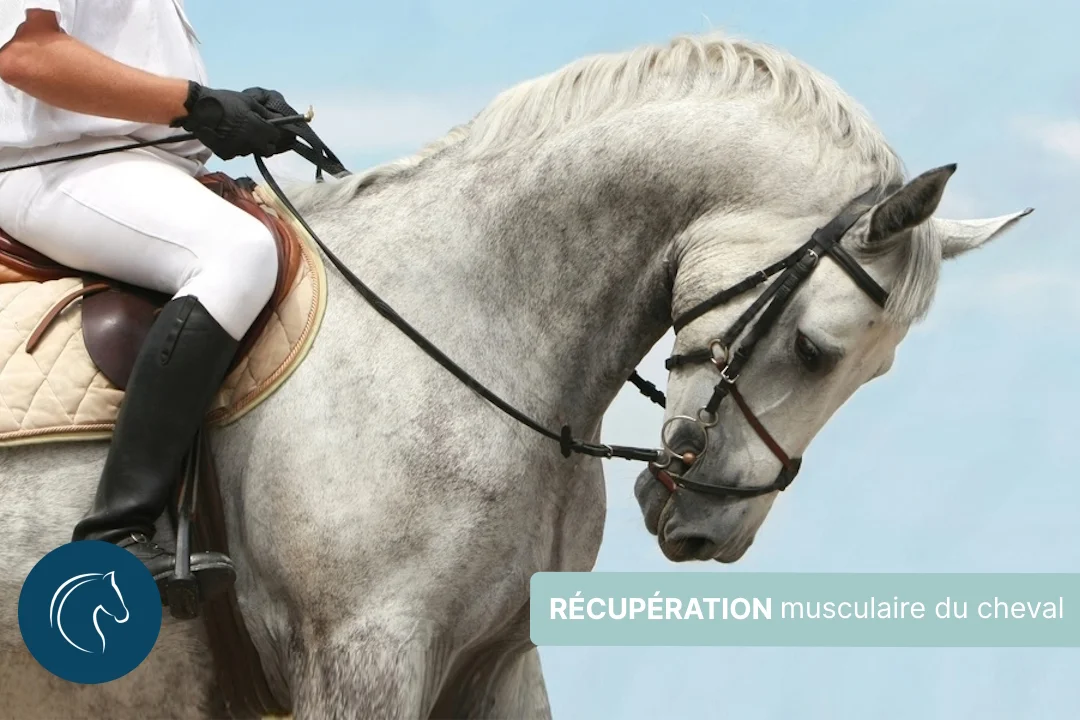
Read moreA horse's well-being and performance depend to a large extent on its muscular health. Equine muscles are subjected to a great deal of stress, whether duringintense effort, competition or simplydaily exercise. Muscle recovery is a crucial component in managing your equine's overall health. The specialists at Lore & Science tell you all about the best ways to optimize your horse's muscle recovery.
Better muscle recovery for improved performance
Just like human athletes, equine muscles require an inescapable period of recovery after being put through their paces. Although discreet, muscle recovery is a complex set of physiological processes. Its primary objective is to repair tissues that have been damaged during exercise. At the same time, it eliminates the metabolic waste products that have accumulated during exercise, helping to cleanse and revitalize muscle tissue. What's more, this recovery phase plays a fundamental role in re-establishing the muscular balance that is essential to the horse's continued performance.
The importance of muscle recovery cannot be underestimated, especially for athletic horses. It is the cornerstone of injury prevention, preventing fatigued muscles from becoming vulnerable to the excessive stresses that can lead to injury. This recovery period is also an essential element in maintaining long-term performance, as it enables the horse to retain optimum muscle strength and the ability to respond to physical demands with vigour. More broadly, it is intrinsically linked to the horse's general well-being, promoting physical comfort and contributing to overall health.
How can you help your horse's muscular recovery after a competition or intense effort?
Events such as competitions and horse racing lead to lactic acid production and cellular oxidation in the horse athlete. In the long term, this can have serious consequences. Fortunately, it is possible to speed up the recovery process.
Incorporating stretching and equine massage
For example, we recommend incorporating stretching and massage into your post-competition recovery routine. Stretching helps to release muscle tension built up during exercise, improve flexibility and prevent injury. They are particularly beneficial after intensive training sessions or competitions. Stretching can target specific muscle groups, such as the hind legs, shoulders or neck, depending on your horse's needs. Well-executed massages, on the other hand, can relieve muscle knots, stimulate blood circulation, promote the elimination of metabolic waste products and help prevent muscle soreness. It's important to learn proper equine massage techniques from an experienced professional or certified equine therapist, as the wrong massage can cause more harm than good.
Use 100% natural food supplements
How to optimize muscle recovery in horses on a daily basis?
Athlete horses aren't the only ones concerned by the need for good muscle recovery. For working horses and mares, as well as for everyday use, there are a number of key measures to be implemented.
One of the first keys is, as is often the case, an appropriate diet. Protein, in particular, is essential for the regeneration of muscle tissue. Make sure your horse's diet provides quality nutrients to support this recovery. Similarly, adequate hydration is crucial to avoid muscle cramps and exhaustion. Make sure your horse always has access to clean, fresh water.
The second pillar of equine muscle recovery is, of course, rest. After an intense and demanding effort, it's imperative to give your horse a period dedicated to recovery. Within this recovery interval, your horse can regenerate its energy reserves, repair muscle micro-injuries and restore its physiological balance.
However, it's not enough to simply allow the horse to rest. The environment in which this rest takes place is of crucial importance. A calm, comfortable environment is the key to your horse's complete muscular relaxation. This means creating a space where he can escape stressful stimuli and distractions. A clean, well-ventilated and sufficiently spacious stall is often the best choice for providing your horse with the ideal place to recharge his batteries. Make sure the stall has a soft, comfortable bedding to encourage restful sleep.
If you follow these few tips, you'll soon notice that your horse's muscles recover more quickly. You'll also prevent a number of lesions and injuries that can be caused by over-fatigue. Of course, it's essential to adapt these practices to your horse's individual needs, activity level and sensitivity. A gentle, progressive approach is the key to ensuring that your horse or mare benefits fully from these muscle-recovery techniques.
Share your experience or questions with us in the comments ↓
Search on blog
Last blog articles
On sale
100% natural guaranteed solutions









Secure
payment

100% plant-based
GMO-free

Made
in France

Fast
delivery

No chemical
agents

Newsletter Lore&Science
Subscribe and
Subscribe and
get 10% off