








Connexion
Create an account

Lore&Science's blog
Discover our range of health supplements specially formulated to support the well-being of dogs, cats, and horses, helping maintain their vitality, mobility, and overall balance every day
-
 Horse advice
Gastric ulcer in horses: how to treat it?
11 March 2025
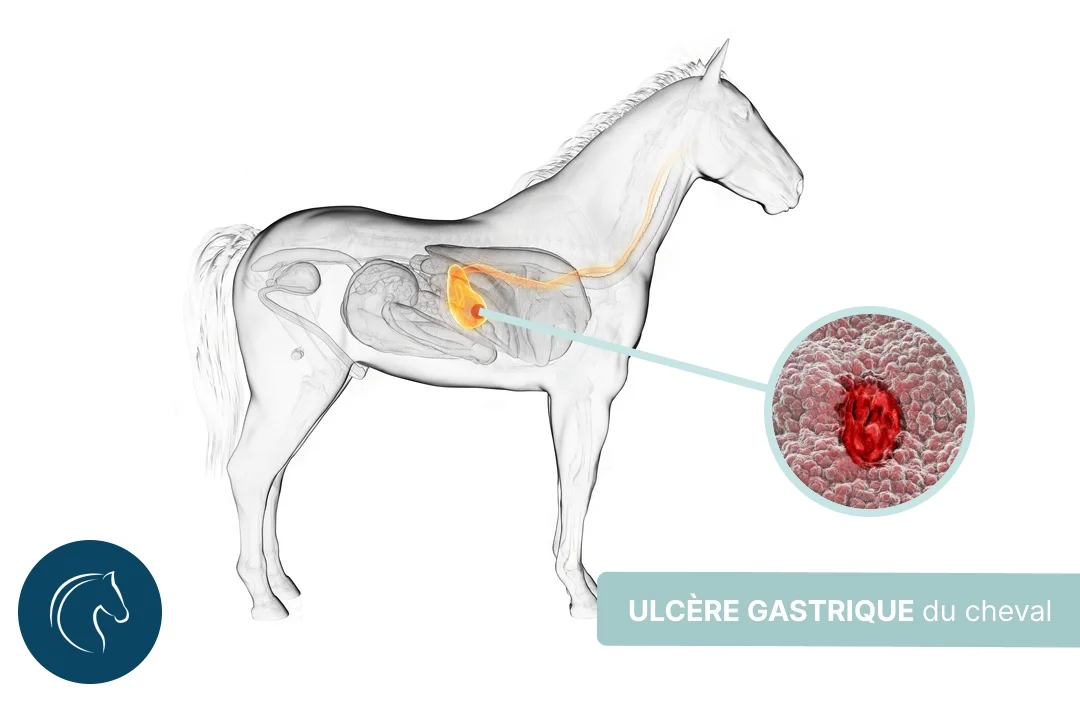
Read moreGastric ulcers are a very common condition in horses. Also known as equine gastric ulceration syndrome, it is an erosion that affects the mucosa of the stomach,esophagus or the first part of the small intestine (duodenum) to a greater or lesser extent.
Painful, this condition can affect a horse's quality of life and performance.
Lore & Science offers advice on how to treat ulcers in horses naturally and effectively.What causes horse ulcers?
Power supply
The horse is a herbivore whose digestive system is adapted to the regular ingestion of small quantities of fiber-rich feed. Its stomach continuously produces hydrochloric acid, which is normally regulated by the production of saliva through chewing.
When a horse eats less fiber and chews less, due to meals being too far apart, stomach acidity increases, creating a higher risk of ulcers. Normally, equines spend an average of 60% of their time grazing.
Stall life and low-fibre fodder alter the intestinal balance, favouring erosions of the digestive system.
In terms of diet, the risk factors for ulcers are:
- diets low in herbs or forage
- meals too far apart in time, creating periods of fasting
- a lack of fiber and too much starch in meals
- a lack of hydration, which also limits salivationExercise
We often hear that ulcers are more common in racehorses, trotters, show horses and endurance horses. Indeed, the intensity of work can be a trigger for digestive diseases. Excessive work frequency or intensive exercise are additional risk factors. Movement is suspected to add to the risk of injury by displacing acids in the digestive system.
Stress
Inappropriate work also adds to equine stress. In the event of symptoms, rest is essential. It should be noted that horses on pasture are on average less affected by this type of lesion.
All breeds of horse are affected by the problem, but there is a predilection for Thoroughbreds, Anglo-Arabs and Thoroughbred Arabians.
How do I know if my horse has a stomach ache?
Symptoms of ulcers in foals
In foals, symptoms are generally more obvious than in adult horses. The most common symptoms are hypersalivation, diarrhea and bruxism ( teeth grinding). As a general rule, a drop in energy levels should be taken into account.
Unweaned foals are particularly susceptible to diseases of the digestive system, especially if they cannot benefit from a normal suckling rhythm. Prompt treatment is essential.Symptoms of ulcers in the adult horse
Signs of stomach pain in adult horses are often subtle. So it's vital to be alert to any change in behavior and to look for the cause. Hypersalivation, sudden bruxism, a dull coat, reduced performance and energy are all signs of underlying pain.
The following non-exhaustive list of symptoms should alert you to pain
potentially originating from an equine ulcer:
- diarrhoea
- loss of appetite or sorting of feed
- a sudden drop in performance or reluctance to work
- difficulty gaining weight, emaciation and poor general physical condition
- unusual teeth grinding
- a horse lying down or rolling around a lot
When in doubt, always consult a veterinarian, who will be able to make a more accurate
diagnosis.How to react to these symptoms?
Faced with these subtle signals, which may be due to other illnesses, it is
important to carry out a clinical examination to confirm the diagnosis. Your veterinarian will perform a gastroscopy. Not very painful for the animal, this involves inserting a camera through the nostril into the horse's stomach to visualize and confirm the presence of lesions.
Nevertheless, this examination remains a source of stress for the animal, and requires a break in feeding, which is harmful in the case of ulcers. As a result, treatment is sometimes initiated as soon as an ulcer is suspected. In such cases, natural treatments are particularly recommended. They avoid side effects and show rapid improvement in the horse's condition.How to treat a horse ulcer?
Essential oils and phytotherapy against equine ulcers
A conducive environment to avoid recurrence
Do you have any questions about the natural treatment of horse ulcers?
Leave us a comment ↓ -
 Horse advice
Horse deworming: what natural solutions against worms?
10 March 2025
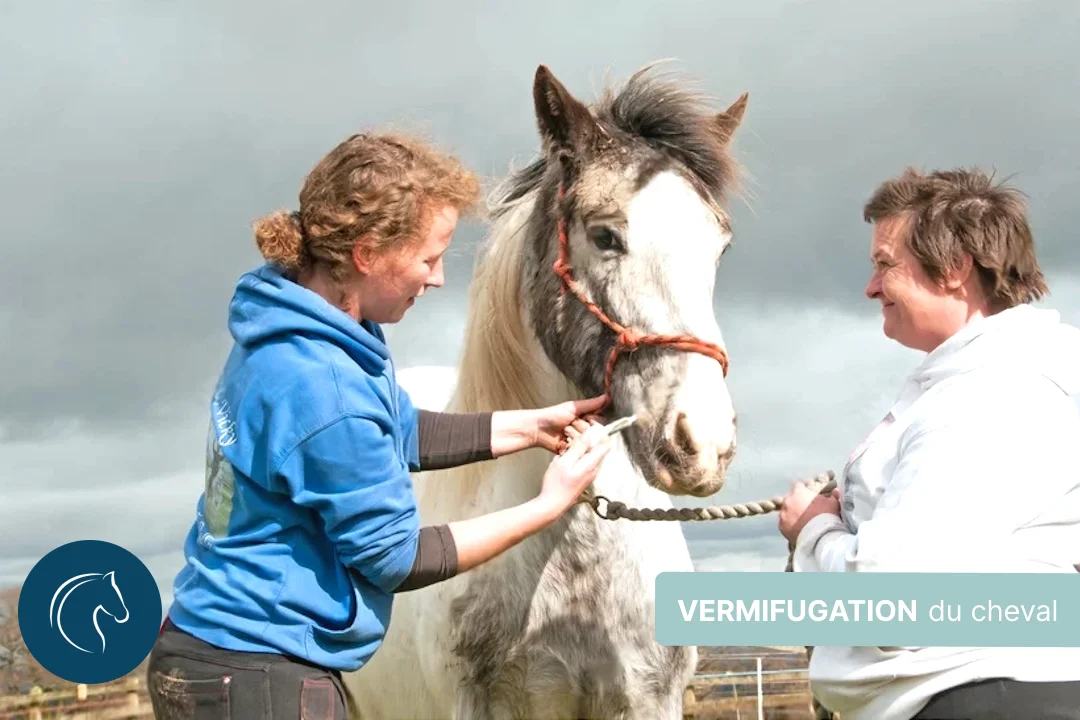
Read moreIntestinal worms are digestive parasites that can compromise horses' intestinal health, affect their general well-being and even cause major health problems. While traditional chemical dewormers are often used to combat these parasites, there are effective natural solutions that can be just as effective while respecting horses' intestinal flora. In this article, Lore & Science tells you all you need to know about the different types of intestinal worms that can infest horses, the symptoms associated with these infestations, and the natural deworming solutions available to maintain good intestinal hygiene.
What are the different types of intestinal worms in horses?
Intestinal worms develop in the digestive system of horses. They feed on the nutrients ingested by the animal, leading to nutritional deficiencies and digestive disorders. Small and large strongyles, roundworms, pinworms, tapeworms... Let's discover these parasites that can cause major problems for our equines.
Large and small strongyles
Large strongyles, or Strongylus vulgaris, are one of the most dangerous parasites for horses. These worms can cause severe colic through damage to the intestinal arteries. The larvae migrate through the blood vessels, causing inflammation and possible obstruction, which can lead to intestinal ischemia, a potentially fatal condition.
Small strongyles, or cyathostomes, are more common and less dangerous than large strongyles, but their impact on a horse's intestinal health should not be underestimated. These worms can cause inflammation of the intestinal wall, leading to chronic diarrhoea and weight loss. Small strongyles are mainly found in the horse's large intestine and cecum, where they can become encysted, making their eradication more complex.
Roundworms
Roundworms, or Parascaris equorum, mainly affect foals and young horses. Adult horses generally develop immunity to these parasites. Ascaris can obstruct the intestines due to their large size, causing colic and severe digestive disorders. They can also migrate through the liver and lungs of foals, causing damage to these organs.
Pinworms
Pinworms, or Oxyuris equi, are smaller worms that reside in the horse's rectum and large intestine. Although less dangerous than other types of intestinal worms, they cause intense itching around the anus, which can lead to skin lesions caused by the horse's constant rubbing against objects to relieve itself.
Tapeworms
You've probably already heard of tapeworms, or Anoplocephala perfoliata. These are flat parasites that attach themselves to the small intestine and ileo-caecal junction. These worms can cause local inflammation, ulcers and colic. Although massive tapeworm infestations are rare, they can lead to intestinal obstructions, putting the horse's life at risk.
Symptoms and diagnosis of parasitic infestations
Recognizing the signs of intestinal worm infestation is essential to intervene quickly and avoid serious complications. Symptoms may vary depending on the type of parasite and the level of infestation, but there are some common signs that should alert you.
What are the symptoms of intestinal worms in horses?
The first symptoms of an infestation often go unnoticed. Unexplained weight loss , often one of the first visible signs, occurs when these digestive parasites monopolize the animal's essential nutrients. At the same time, a coat that has become dull and disheveled may reveal a nutritional deficiency linked to compromised absorption of nutrients by a colonized intestine. Digestive disorders are not uncommon either, with episodes of chronic diarrhea frequently observed in horses harboring small strongyles or tapeworms.
Recurrent colic, often associated with weight loss or diarrhea, is another sign of possible infestation by large strongyles or roundworms. Pinworms cause intense anal itching. Horses tend to rub themselves compulsively, causing skin lesions around the anal region.
How to diagnose parasitic infestations?
Parasitic infestations are diagnosed byexamining the horse'sstools. If in doubt, consult your veterinarian. He or she will analyze the dung samples toidentify intestinal worm eggs and assess the level of infestation. This method, known as coproscopy, is essential for determining the type of parasite involved and adapting treatment accordingly.
Regular stool examinations are then recommended to monitor the effectiveness of deworming treatments and prevent future infestations. Your veterinarian will then prescribe a deworming program based on the results of the coproscopy. The main aim is toavoid over-treatment and limit the development of parasite resistance.
What are the natural solutions for worming horses?
Conclusion
As you can see, managing intestinal worms in horses requires a holistic approach combining prevention, early diagnosis and appropriate treatment. Although chemical dewormers are commonly used, the integration of natural solutions offers an effective way to combat parasites while respecting the intestinal flora and ensuring good digestive hygiene.
Share your experience or questions with us in the comments ↓
-
 Horse advice
Lactates and lactic acid: good or bad for our horses?
06 March 2025
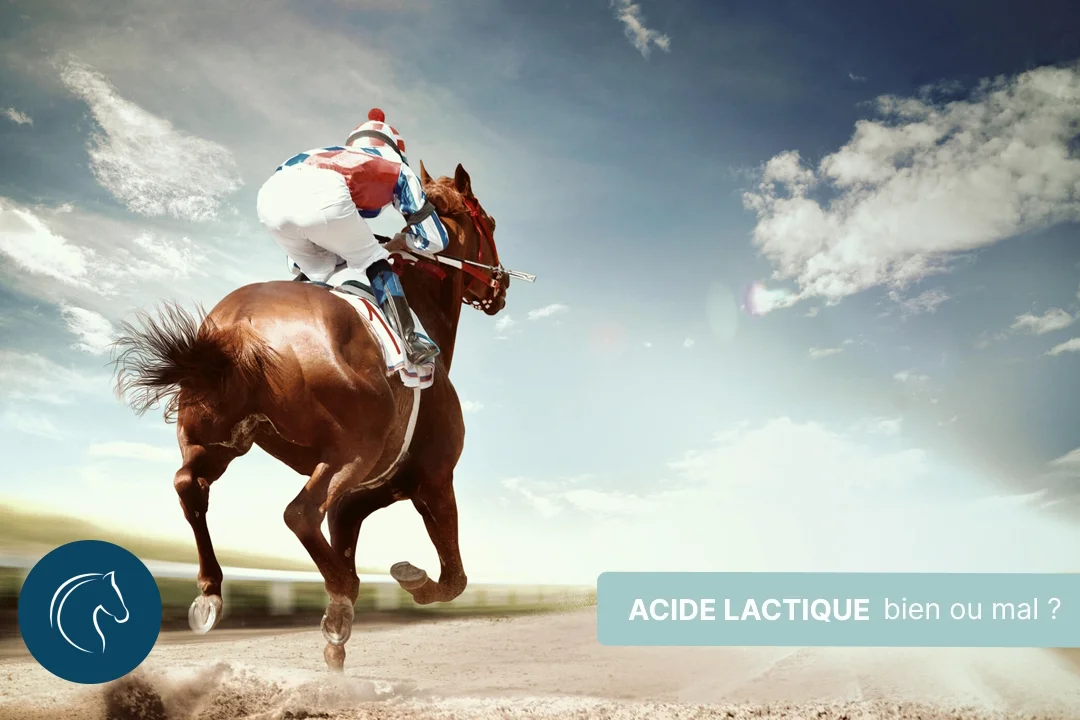
Read moreLactates, lactic acid friends or enemies of racehorses?
Lactic acid, far from being an organic waste product, is one of the main elements produced by the muscles for their energy.
Lactates and lactic acid come from the action of glycolysis produced by the muscles, a natural process that transforms glycogen (a form of sugar stored in the muscles) into energy.
They are therefore essential to training but not consumed it must get rid of them.
Aerobic and anaerobic
This process of muscle energy production occurs either in the presence of oxygen (aerobic) or without oxygen (anaerobic) and it is in this second case that lactic acid is produced.
The aerobic phase
In the aerobic phases of moderate paces and long-distance training, the lactates produced are all used, particularly for muscle energy. There is therefore no accumulation or overload of lactates in the blood.
 During the slight anaerobic phases that occur even in the cross-training phases, the lactates produced are consumed.
The anaerobic phase
Anaerobic threshold: the anaerobic threshold is the moment when the aerobic phase is no longer sufficient to produce enough lactate for the intensity of the effort required.
The horse will then go anaerobic and lactic acid production will skyrocket.
The faster the horse is asked to go, the more muscular energy it will produce to do so. Lactate production intensifies, and not all lactates are consumed: lactic acid accumulates in the bloodstream.
Cramps, joint stiffness
Is lactic acid responsible?
In part, yes, but these ailments are mainly due to poor blood circulation in the capillaries irrigating the muscles.
This impaired blood circulation slows down cellular oxygenation of the muscles and the "evacuation of lactic acid".
How can we help horses use this energy to the fullest?
Organs and glands to pamper → EFFORT RESISTANCE
The Pancreas
The Heart
The heart is a muscle that also produces lactates during exercise. To function properly, it must receive its energy sources from the pancreas.
The heart and the pancreas, which are closely linked, become inseparable for sports performance, one carrying the blood and the other the energy substrates.
The Blood
see final paragraph ↓
How can I get rid of accumulated acids in the blood faster and easier?
1Longrecovery is the preparation for the next race → ACIDLESS
The urine
The kidneys will eliminate the last traces of acids.
2Helphis blood circulation → FILBLOOD
One of the characteristics of horses is that their blood is very thick, which does not give them an advantage in eliminating overloaded acids.
It is the blood that serves as a vehicle in the body, either to feed or to eliminate.
It is easy to understand that the better the blood circulates, the better the horse breathes (circulation of oxygen to the muscles and organs) but also that it eliminates waste faster (circulation of this waste to the emunctories)
You liked this article, don't hesitate to react in the comments.
-
 Horse advice
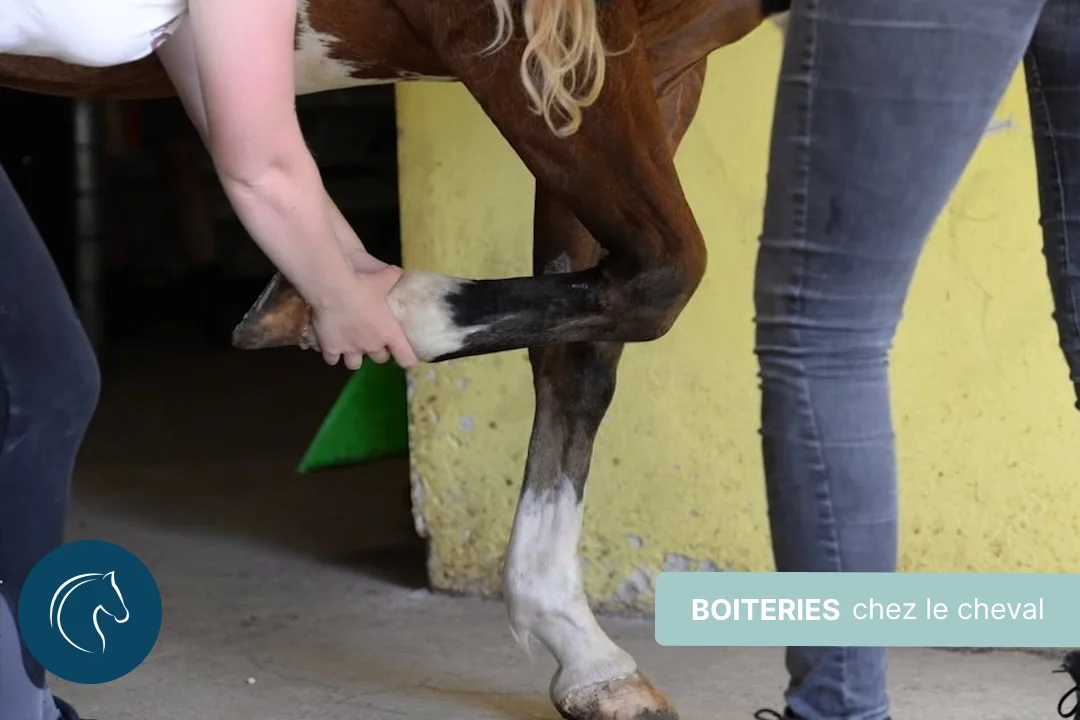
Limping horse: what to do?
24 February 2025
Read moreHorse owners know and dread it: lameness in horses is a common but often worrying problem. There are many reasons why a horse limps, and the severity of lameness can range from mild to severe. It is therefore essential to know the most common potential causes, as well as the related treatment protocols, in order to identify the source of lameness as quickly as possible and treat it as effectively as possible to limit the risk of more permanent lesions in our equines. That's why Lore & Science has created this guide to the essential steps involved in managing a lame horse.
What is lameness in horses?
Lameness is simply a symptom that manifests itself as an abnormality in a horse's gait. It often indicates pain or discomfort in one of its joints, muscles, tendons or bones. This condition can affect one or more limbs, and varies in intensity.
How to identify the cause of lameness?
A marked lameness, a swollen limb or trauma can usually quickly identify the cause of the lameness. A blow, a fall, excessive or inappropriate training... can lead to injuries that affect the bones, joints, tendons or ligaments of equines.
The most common injuries are contusions and strains, which cause slight irregularities in the horse's footing. More serious injuries, such as fractures, tendonitis or desmitis (inflammation of tendons or ligaments), can also occur and should never be overlooked. In case of doubt, the intervention of a veterinarian is essential to treat the affected limbs correctly.
Joints also play a central role in lameness problems in horses, and the conditions that affect them can be degenerative or inflammatory in nature. These include diseases such asarthritis, a chronic inflammation of the joints that leads to persistent pain and a noticeable reduction in mobility. Synovitis, on the other hand, is characterized by inflammation of the synovial membrane, resulting in acute pain and marked lameness. Finally,osteoarthritis represents a progressive degradation of articular cartilage, often attributed to age or ongoing wear and tear, and leads to a gradual deterioration in joint function.
Some horses also suffer from what is known as navicular syndrome. Initially, affected horses may present with intermittent lameness which, in the absence of appropriate treatment, may become permanent. One of the telltale signs is pain on pressure, with the animal showing increased sensitivity on palpation of the navicular region. A reduced stride is also regularly noted, especially on hard ground. This condition also causes the horse to modify its posture, seeking to avoid exerting pressure on the affected feet. The result is noticeable changes in posture and a visible adaptation in the way the horse moves.
What to do if your horse limps?
The first thing to do when a horse starts limping is to put it to rest immediately. The idea is to avoid any activity or movement likely to aggravate the situation. This rest is essential to allow the damaged structures to begin the healing process without being subjected to additional stress.
The second essential step is to consult a veterinarian. Only a professional will be able to assess and diagnose the cause of the lameness, prescribing any necessary tests, whether X-rays,ultrasound orMRI. The treatment then prescribed will be the most appropriate for each horse and each situation. In some cases, localized relief can be achieved byapplying cold (with cold compresses, for example) to the injured limb. However, this practice must be carried out with care, taking care not to prolong exposure to the cold to avoid frostbite. Support bandages can also provide occasional assistance. Similarly, the correct application of a support bandage requires specific skills, often taught by a veterinarian or experienced professional, to ensure that it offers maximum benefit without causing additional discomfort or damage.
Long-term management of lameness
Conclusion
A problem as common as it is worrying for owners, lameness in horses should lead to the implementation of a simple protocol: rest and consultation with an equine veterinarian. In the case of the most sensitive horses, or those suffering from conditions such as navicular syndrome, an adapted daily routine is necessary, with special care and attention paid to the animal's feet, working, living conditions and diet. Only then can you best support your companion's quality of life and comfort.
Share your experience or questions with us in the comments ↓
-
 Horse advice
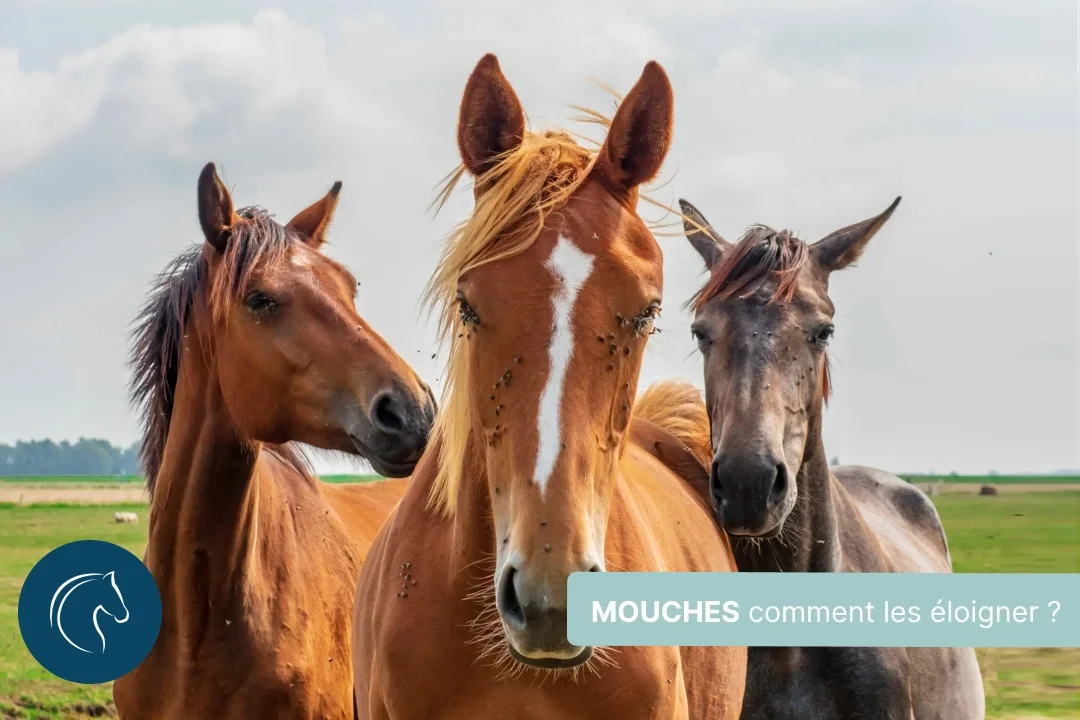
Flies in horses: how to keep them away?
20 February 2025
Read moreAs soon as spring begins, flies start to invade horses in the prairies making their daily lives difficult.
Flies, horse flies, mosquitoes and flying insects in general are naturally attracted to the dirt and sweat marks of horses. Flies are mainly attracted to wet areas and the horse's hair.
In order to preserve the well-being of the horse, it is essential to adopt the right practices. Lore & Science provides all the secrets to protect horses from flies.
Are flies dangerous for horses?
Flies, although seemingly harmless, can cause a lot of trouble for horses. Some horses are more sensitive than others to this phenomenon and may feel a very strong discomfort. Others may develop allergic symptoms.
This daily discomfort can drastically alter the horse's habits and the distribution of time spent on its activities. The length and timing of outings are modified to limit the presence of insects. Feeding, resting and moving are also affected.
This set of changes can become a source of stress and anxiety for the horse and lead to behavioral changes in the horse.
In addition to discomfort and annoyance, flies can cause conjunctivitis and internal injuries. Mosquito bites can transmit serious diseases such as West Nile fever.
However, there are solutions to limit the presence of flies in stables and paddocks. First of all, it is important to recognize the different types of flies that make life difficult for horses.
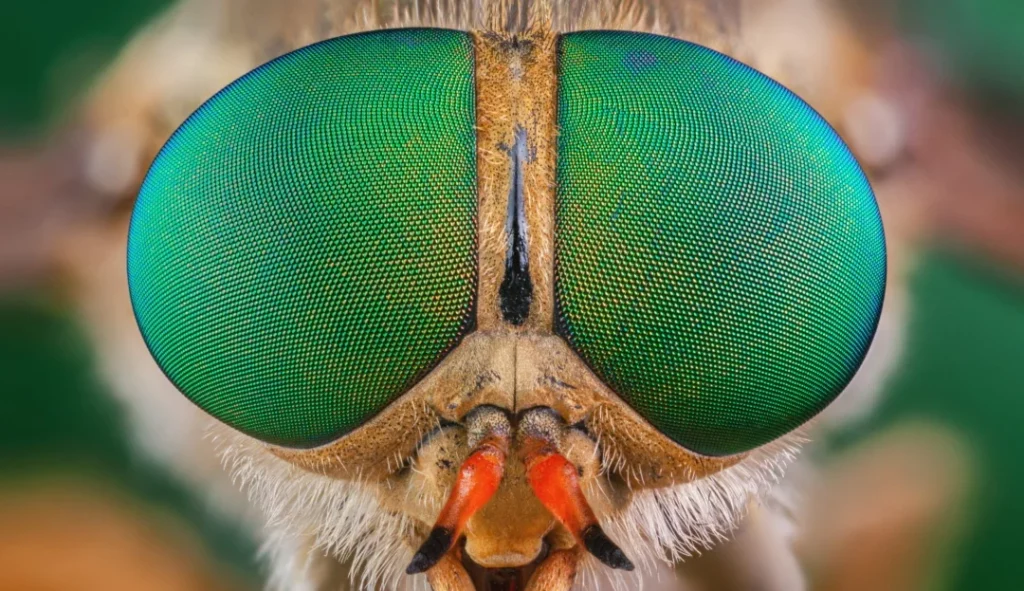
Types of flies in horses
1 Flat flies
The watchword of flat flies or spider flies is continuous harassment. They make life very difficult for horses between April and October with a peak of activity in summer. Unlike other insects where only the female bites, with flat flies the males also participate in the bites.
Their bites are particularly painful and cause sudden defensive reactions in horses. Anxiety may also occur.
It is important to know that flat flies are found in places that are often inaccessible to horses, mainly in the perineal area. These areas include the tail, udder, lower belly and inner thighs.
2Black flies
Black flies are a yearly plague for horses. These insects are usually reddish to black in color and measure between 2 and 6 millimeters. Because of their color and size, black flies are often mistaken for normal flies. This is why their danger is often underestimated.
As soon as spring arrives, they settle in the ears and the abdominal area. Their bites and more precisely the saliva of the fly, causes severe allergic reactions accompanied by strong itching. The latter are comparable to eczema with the appearance of crusts on the surface of the skin.
Black flies are vectors of transmission of summer dermatitis in horses. Indeed, many horses are allergic to their saliva.
It is a chronic skin disease characterized by skin lesions. The larger the wounds, the more black flies are present. It is therefore essential to treat the animal at the first sign of infection.
3Taons
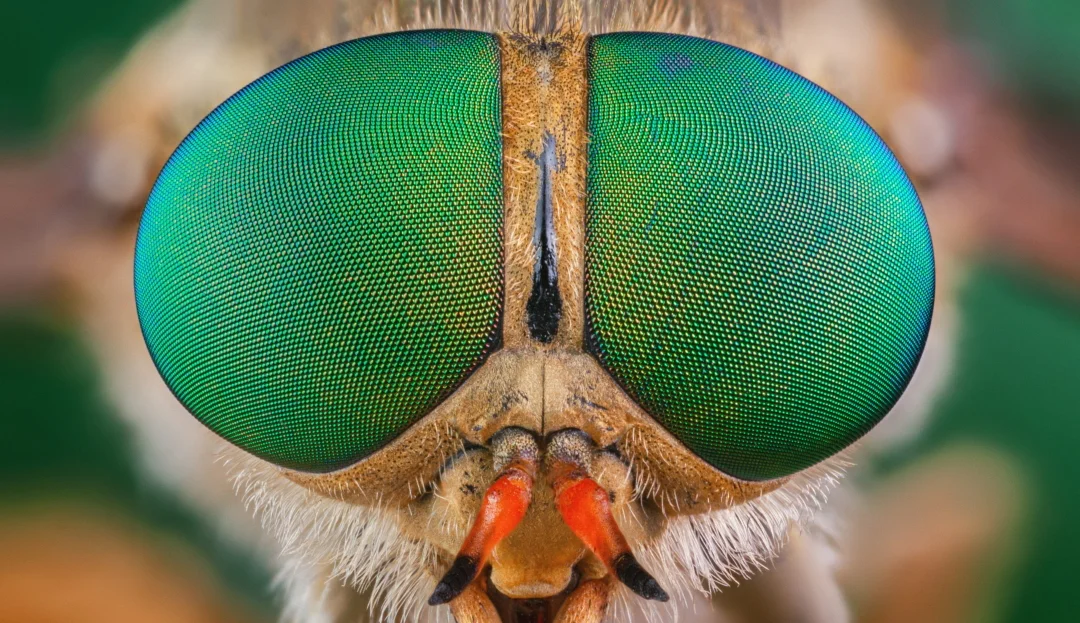
The horsefly is easily recognizable by its larger size than the classic flies. The bites of the female horsefly are not only painful but also dangerous for the horse.
Indeed, the bites may cause the horse to panic by making it very agitated and cause abnormal behavior. Horseflies can transmit diseases such asanthrax or Lyme disease. Male horseflies are harmless because they feed on flower nectar.
Horses are most often bitten in the paddock. These insects are attracted by the perspiration the horse emits, but also by the movement, heat and carbon dioxide emitted by breathing. Working sessions with horses should therefore be avoided as much as possible in hot weather.
How to protect horses from flies?
Fly repellent spray
Anti-fly accessories
Another solution is to use appropriate protection. The anti-fly masks allow to fight against these insects which come on the eyes of the horses. There are different types of masks, with or without ear protection. It is also possible to opt for a muzzle protection or not.
Fly covers reduce horsefly and fly bites by protecting a large area of the horse's body. They also keep away the midges that appear in the evening.
Maintain the horse's living environment
It's essential tomaintain the horse'sliving environment to ensure impeccable hygiene.
There are many simple steps to take:- Regularly clean and disinfect the stalls;
- Dispose of manure away from the barn;
- Create draughts in the stable. Flies can't stand them;
- Avoid going out and working in hot weather. It is preferable to go in the early morning or late evening. It is also possible to organize sessions in a covered riding arena in order to be cool;
- Favour group outings to ensure mutual aid. This will allow them to chase flies.
It is also advisable to watch for standing water near horses. This tends to attract more flies and mosquitoes.
Is your horse sick of flies? Share your opinion with us in the comments ↓
-
 Horse advice
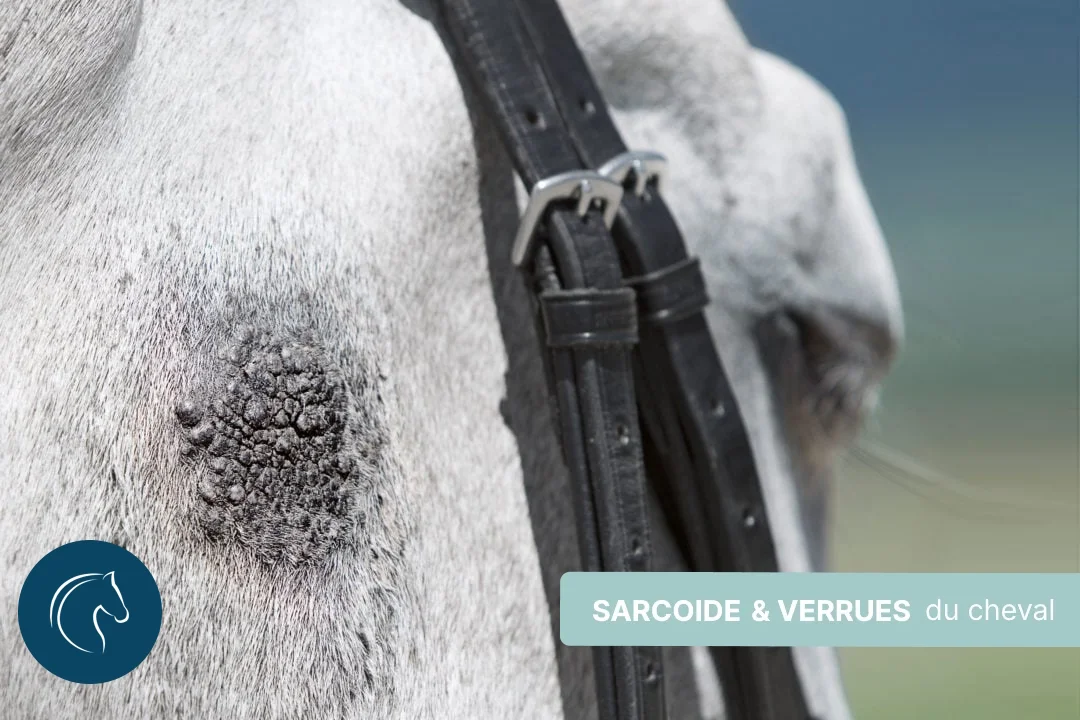
Sarcoids & warts in horses, how to treat them?
15 February 2025
What is sarcoid?
Unfortunately, equine sarcoids are all too common skin tumors. There are several types; flat sarcoids, verrucous sarcoids, nodular sarcoids or fibroblastic sarcoids. There are also warts, papillomas...
However, they all have the same origin! They develop thanks to viruses present in the body in latent form.
What does that mean?
It is a virus that remains hidden in the body without any signs of disease or infection, until it decides to manifest itself as a sarcoid on the surface of the skin.
Why does it occur?
As soon as thebody is weakened! Convalescence, over sports efforts, stress, fatigue, infectious diseases such as lyme, leptospirosis, piroplasmosis ...
The body is then overloaded with toxins and acids, the organs get tired and theimmune system is weakened.
That's why it's so important to detoxify and drain your horse regularly. Prevention is better than cure!
How to act when the Sarcoid is there?
Our team is at your disposal to find solutions for your horse, you can reach a consultant via our form.
Mary Ann's testimony
We have had excellent results, including on advanced cases as Mary Ann testifies;
"Dear Lore & Science,
After two years, I just wanted to let you know the results of your treatment protocol for my horse, with some photos.
➤ October 2012: the beginning of sarcoids on the inner thigh and three under the belly are seen.
➤ November 2014: sarcoids take off with Sarc-X ointment.
➤ February 2015: I contact you for information on your Sarcoid balm and send the March 2015 photo where the sarcoid is really starting to "come out"!
➤ At the beginning of April I contact you and you suggest a more aggressive treatment protocol by mouth. I start right away and the sarcoid is progressing at a high rate daily.
➤ In early May, we bring the mare to the clinic because she has made a big infection and they put a strangling bandage to the wart with a product also based on plants, the wart falls very quickly. When she came back the vets told me to continue the Lore & Science treatment. The warts under the belly have been gone for a while and the first scab is falling off (photo from May 2015).
➤ Healing is taking good shape in just 3 months (photos from August 2015).
➤ Today, almost two years later, nothing is seen except a starry but flat scar and no recurrence of sarcoid.
If this history can help your clients, these sarcoids are a "bitch" and if surgery or other procedures can be avoided with your products, I remain at your disposal for any further information and thank you again for the protocol you have advised.
I must confess that I was called irresponsible by many people who did not understand why I was treating her with "plants". I had to fight and close my ears because I had read so much about it that I was convinced that your products were the best solution."
A huge thank you to Mary-Ann for this precious testimony, which pushes us every day to help you the best we can.
Share your experience with us in the comments ↓