




Blog Header

Lore&Science's blog

Discover our range of health supplements specially formulated to support the well-being of dogs, cats, and horses, helping maintain their vitality, mobility, and overall balance every day

  • Health topics

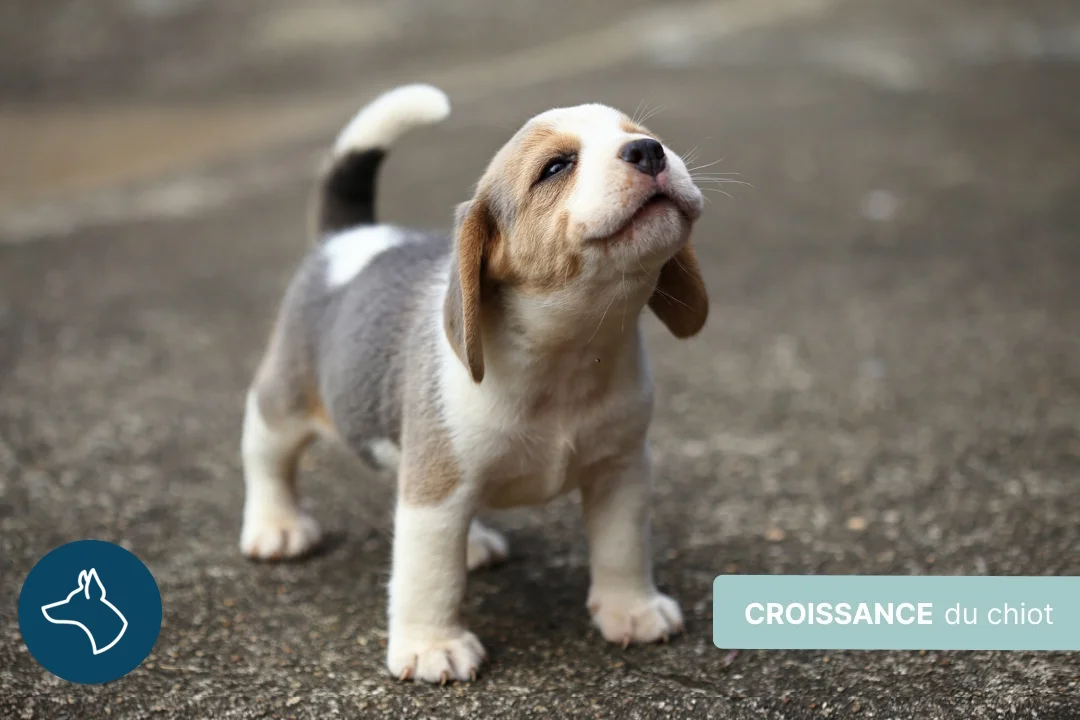
    Puppy growth: needs, feeding, activity

    27 January 2025

    Key points

    Regular physical activity

    Be aware that a growing dog cannot yet tolerate sustained exertion. So opt for short, regular walks rather than one long one (the same goes for older dogs). Did you know that swimming is also excellent for dogs?

    A good mind

    Apart from the dog's innate mind, i.e. his personality acquired at birth, the puppy will continue to forge his "character" until he is 6 months old. It is thus necessary to take care that he can develop "mentally" in good conditions by bringing him;

    Any form of stress in a dog will have an impact on his mind as well as on his body. A stressed dog will accumulate toxins that will alter the proper functioning of his digestive and immune systems, and will also affect his growth.

    Did you know that?

    There is a link between an unbalanced intestinal flora and allergy and arthritis problems! For a healthy puppy, it is therefore essential to support his intestinal flora and his growth to ensure the best future!

    Joint problems

    Our puppy growth pack effectively stimulates your puppy's metabolism during growth and provides all the nutrients needed during this crucial period. Improves bone quality, strengthens cartilage and ligaments and supports muscles.

    Share your experience with us in the comments ↓

    Read more
  • Dog advice

    Treating animals with medicinal plants

    24 January 2025

    Phytotherapy or the art of healing with plants is ideal for treating ailments in humans and animals. Among the various disorders, we find skin lesions, respiratory difficulties or behavioral problems.

    It is a 100% natural medicine that can provide plants in the form of powder, hydrolate and essential oil for external use.

    Veterinary products also use the molecules of medicinal plants, thus offering an alternative to so-called conventional drugs. Today, their use is increasingly finding its place in the therapeutic sphere.

    What is herbal medicine?

    Phytotherapy is a medicine that allows to treat some diseases thanks to the therapeutic virtues of plants. The whole plant or only certain parts such as the stem, leaves, flowers, roots, buds or seeds can be used.

    Similarly, animal phytotherapy has very ancient origins. For centuries, humans have been treating their animals with medicinal plants. The interest of such an application lies in its short and long term efficiency.

    Depending on the pathology, phytotherapy can replace conventional veterinary medicine or supplement basic treatments. The chemical constituents of many medicinal plants are used in the manufacture of products for the pharmaceutical industry.

    The use of medicinal plants in the veterinary field comes from theobservation of the behavior of animals in their natural environment. Who has never seen a cat grazing on grass from the garden to clean its stomach of ingested hair? This grass allows to reject gastric juices as well as the agglutinated hairs in order to free the stomach.

    When should medicinal plants be used in animals?

    Before starting to implement phytotherapy, it is essential to diagnose the health problem that your animal is experiencing. For this, you will need to call upon the expertise of your veterinarian.

    This natural medicine for animals allows the treatment of disorders ranging from a simple cold to more serious illnesses such as heart problems. The veterinarian can propose such a follow-up for chronic, articular, respiratory, digestive or dermatological pathologies.

    However, it is essential touse medicinal plants in a proper way to benefit from their maximum efficiency and to guarantee the animal welfare.

    In what form should medicinal plants be used?

    In the context of veterinary phytotherapy, medicinal plants are used in different ways to make their ingestion easier. So how to use medicinal plants to preserve all their therapeutic virtues?

    1 Plant powder

    In view of its practicality, dried medicinal plant powder is the most suitable for veterinary use. It is very often found in different treatments for animals since it is compatible with other molecules.

    For example, it can be vitamins or nutrients that facilitate the absorption of active agents. For the horseFor the horse, powdered plants can be used for coat maintenance. Brewer's yeast is ideal for promoting the growth of a soft, silky coat.

    As for the sometimes bitter taste of the powder, the animals have no difficulty adapting.

    2 Essential oils for external use

    In reference to aromatherapy, an essential oil results from the steam distillation of a medicinal plant. Its application will depend on the weight of the animal but also on the chosen route of administration.

    In external application, they represent a very good alternative to the products anti-ticks and anti-fleas in the dog provided that they are used under veterinary control.

    Similarly, lemongrass is an excellent natural repellent for horses that face flies and mosquitoes during the summer. It can be used on the brush when brushing or as a spray.

    However, the essential oil is toxic for cats since the concentration of active principles is very high. Its use is strongly discouraged in felines who rarely tolerate them.

    Unlike many mammals, cats do not have a specific enzyme in their liver. cats do not have the specific enzyme in their liver. This prevents them from eliminating the elements that make up the essential oil, particularly the phenols.

    Thus, an incorrect duration of administration or the use of an inappropriate essential oil could cause hypersensitivity reactions and behavioral disorders in the cat.

    3 Hydrolats or floral waters

    In the same way, the obtaining of the hydrolat passes by the steam distillation. It is the aqueous part that is recovered following the separation of the essential oil. We also speak about floral water when the raw material is a flower.

    Hydrolats are less concentrated in active substance and highly diluted compared to an essential oil. Their application is ideal for animals and especially for cats that do not tolerate essential oils.

    The fields of use are numerous. To look after the wounds and the cuts which bleed, we advise to use the hydrosol of ciste. It will come to regenerate the skin and will support the microcirculation of the wound for a better cicatrization.

    Chamomile and cornflower are fabulous for treating eye irritations sometimes caused by pollen allergies. Lavender and cedar hydrosols will help repel insects that invade horses.

    One of the advantages of hydrolats is their low concentration in aromatic molecules. The percentage of dosage errors is therefore particularly low.

    Do you treat your animals with plants, share your experience with us in the comments ↓

    Read more
  • Horse advice

    Horse strangles: symptoms, causes and treatments

    22 January 2025

    Strangles is a serious infectious disease that mainly affects horses. Known since ancient times, this pathology continues to present a challenge to owners and veterinarians alike due to its highly contagious nature. In this article, Lore & Science tells you all you need to know about equine strangles: its symptoms, causes, treatment, and the preventive measures needed to protect horses.

    What is strangles?

    Strangles is a particularly dreaded ailment among horse owners. This bacterial respiratory disease is caused by the pathogen Streptococcus equi subsp. equi. A real infectious scourge, and although particularly prevalent in young horses, it hardly discriminates, sparing no equine, whatever its age.

    Cold snaps and other environmental stressors can increase a horse's susceptibility to this disease. Strangles primarily targets the upper respiratory tract, generating a cascade of symptoms that include profuse nose blowing and persistent coughing.

    This infection mainly attacks lymph nodes in the head and neck area, causing them to become inflamed and develop into purulent abscesses. Strangles can not only cause great suffering to the animal, but can also spread rapidly within a stable. Transmission occurs mainly through direct contact between horses, by inhalation of infected respiratory droplets, or through contact with contaminated everyday objects, such as water troughs, feeders, grooming equipment or groomers' clothing.

    Worse still, the bacteria can survive in the environment for several weeks, increasing the risk of spread. Horses can also become asymptomatic carriers, harboring the bacteria in their sinuses or guttural pouches and transmitting it to other horses without showing clinical signs. Detecting even the slightest case of strangles in a stable requires strict quarantine and veterinary care.

    What are the complications of strangles?

    Complications of the disease remain low, averaging 15-20% of cases. Nevertheless, when they do occur, they take on more dangerous forms for equines.

    The erratic shape

    When Streptococcus equi bacteria spread to other areas of the body, the disease evolves into what is known as the "erratic" or "bastard" form. The latter may occur simultaneously with the classic form of strangles, or appear at a later stage. In this scenario, the bacteria may migrate to areas such as the brain, mammary glands, lungs or abdomen, forming abscesses in these regions. The spread of infection to the lungs is particularly fearsome, and is one of the main causes of death due to strangles complications. Equids affected by this erratic spread of the bacterium can suffer severe and persistent symptoms, and require urgent veterinary intervention.

    Immune-mediated disorders

    Although rare, immune-mediated disorders represent another category of serious complications associated with strangles. Hemorrhagic purpura is an exaggerated immune system response manifested by inflammation of the blood vessels. This condition leads to marked edema of the head and limbs, as well as petechiae, small haemorrhages on the mucous membranes. These symptoms generally appear between two and six days after the first signs of strangles appear. Colic may also occur if the small intestine is affected, further complicating the clinical picture.

    Myopathies associated with strangles can take many forms. One of the most severe manifestations is muscle infarction, a serious complication of hemorrhagic purpura affecting skeletal and cutaneous muscles, as well as those of the respiratory and digestive systems. This condition has a very guarded prognosis. In addition, two types of rhabdomyolysis can develop: one characterized by acute muscle necrosis, while the other manifests itself as progressive muscle atrophy. These conditions require close monitoring and specialized veterinary care to manage associated complications and improve the animal's chances of recovery.

    How to treat equine strangles?

    Conclusion

    Well-known and feared in the equestrian world, strangles is a serious disease requiring special attention due to its contagious nature and potential complications. Prevention, rigorous hygiene and vigilance remain the keys to controlling the spread of this infection. In all cases, prompt veterinary intervention and strict quarantine rules can limit the spread of this highly contagious disease.

    Share your experience or questions with us in the comments

    Read more
  • Default

    Cats with heart problems: causes and treatments

    20 January 2025

    Among the diseases that can affect felines, disorders of the heart muscle or myocardium affect nearly 95% of cats. In fact, cardiomyopathy is the most common heart disorder in cats.

    5% of cats are affected, as well as dogs, by a heart disease at birth. This is called congenital heart disease.

    What is feline cardiomyopathy?

    There are different forms of cardiomyopathy but the most common is hypertrophic cardiomyopathy or HCM. Indeed, it affects nearly 70% of cats.

    It is characterized by a strong thickening of the walls of the heart which disturbs the blood flow.

    This heart disease in cats can be :

    • Primary, i.e. due to a genetic or unknown cause. This form is quite frequent and has no definitive cure to date;
    • Secondary to another disease such as hyperthyroidism which occurs after the age of 10, high blood pressure or renal failure which needs to be treated.

    Feline cardiomyopathy affects mostly males and can occur at any age. However, cats between 5 and 7 years of age are more at risk. Some breeds are more frequently affected by this disease such as the Maine Coon, the Persian or the Sphynx. For these breeds, it is possible to detect HCM by genetic testing but the age of onset is unpredictable.

    This condition can lie dormant for many years and occur overnight without any warning signs. Cardiomyopathy can also causeheart failure in cats. The heart is no longer able to pump enough blood to meet the body's needs.

    Symptoms of a heart condition in cats

    Heart disease in cats is often undetectable and appears very suddenly. Depending on the stage of the disease, symptoms may vary from cat to cat.

    Most of the time, the symptoms are similar to heart failure:

    • Fatigue;
    • Coughing;
    • Breathing difficulties and shortness of breath;
    • Intolerance to exercise;
    • Heart rhythm disorder;
    • Loss of appetite;
    • Weight loss.

    More serious symptoms can also occur. Specific to the feline species, paralysis of the two hind limbs can occur suddenly and cause severe pain in the animal. It is caused by a blood clot that forms in the heart and as it moves through the vessels, it blocks the blood flow. Also, sudden respiratory distress may occur with jerky abdominal movements.

    However, some cats remain asymptomatic their entire lives and die of a heart attack.


    Diagnosing a heart condition in cats

    As mentioned, diagnosis of the disease and its origin in cats can be difficult. However, specific examinations by the veterinarian can help detect the warning signs of the disease.

    X-rays, blood tests,electrocardiograms, blood pressure measurements and especiallyechocardiography can help detect heart problems and the causes of cardiomyopathy.

    As far as the latter is concerned, it is essential to detect it as early as possible in order to set up an adapted treatment and to improve the quality and the duration of the cat's life.

    What treatments for heart problems in cats?

    1Veterinarycare

    Heart disease in cats is treated in most cases with medications prescribed by the veterinarian. It is important to know thatno treatment can permanently stop cardiomyopathy in cats.

    However, with the right treatment plan in place, the cat's symptoms can be alleviated and the cat can live comfortably for many years.

    Various veterinary treatments are used to improve the function of the heart. In the case of cardiomyopathy, these can allow the treatment of the disease that is at the origin, if the latter is known (hyperthyroidism, hypertension).

    It is also important to monitor the cat's lifestyle and avoid sources of stress in order to preserve its heart functions.

    2Anadapted diet

    Among the aspects that help alleviate heart disease in felines, diet plays a very important role.

    Kibbles and food in general should provide molecules such as taurine and certain minerals such as magnesium and calcium to ensure the cat's heart health.

    You liked this article, don't hesitate to react in the comments.

    Read more
  • Dog advice

    Cell affinity between plants and animals

    16 January 2025

    Did you know that some plants have cells that bear a striking resemblance to those in our own bodies? For a long time, science considered that animal cells (including human cells) and plant cells were distinct.

    However, recent research has shown some astonishing correspondences. This discovery is particularly intriguing as it could pave the way for new advances in medicine and research, both for us and for our pets, such as dogs, cats and horses.

    What is cellular affinity?

    Cell affinity is the similarity or correspondence between cells of different species. This means that certain animal cells can be identical or very similar to those of plants, and vice versa. This revolutionary discovery has implications for medicine, scientific research and the understanding of biology in general. The cells present in plant and animal organisms are extremely diverse. Animal cells can vary considerably in size and shape, depending on their specific role in the animal's body. Similarly, plant cells are also highly diverse, specializing in distinct functions such as photosynthesis, growth and water regulation.

    However, despite their diversity, there are certain similarities between animal and plant cells. For example, both have a cell membrane that protects their internal contents. They also share organelles. These specialized structures, such as mitochondria, vacuoles and ribosomes, have specific functions within the cell. Animal and plant cells also share certain cellular processes, such as the transcription of DNA into RNA and the translation of RNA into proteins.

    Of course, there are also significant differences between animal and plant cells. For example, plant cells have a rigid cell wall that gives them their characteristic shape, while animal cells are more flexible. What's more, plant cells contain chloroplasts, the organelles responsible for photosynthesis, a process that uses light energy to produce carbohydrates, which is not found on the animal side.

    Finally, there are differences in their life cycles. Plant cells undergo continuous cell division, enabling them to regenerate easily. Animal cells, on the other hand, have a limited lifespan and undergo a process called apoptosis, where the cell dies in a programmed manner.

    Cellular evolution of carnivorous plants

    Unexpected cellular similarities between plants & animals

    Scientists have made a surprising discovery by observing the cells of the fly-killing plant, also known as the fly-catching dionaea. They found that these cells bear a strong resemblance to the glandular cells of the human stomach. The latter are specialized in the production of digestive enzymes, which break down ingested proteins, and the plant uses them to digest the insects it captures.

    What's more, the researchers also noted striking similarities between the sensory cells of animals and plants. Plant sensory cells, known as contact cells, have the ability to detect mechanical stimuli such as pressure or vibration. In turn, they trigger a response, for example, the closing of the leaves of the fly-catching dionaea when an insect lands on them. This mechanism strikingly echoes reflexes and touch in humans and animals.

    These recent discoveries of cellular affinity between animals and plants raise fascinating questions about the nature of life andevolution. Scientists are wondering why similar cells have evolved independently in organisms as different as plants and animals. This, in turn, calls into question the conventional idea of plants and animals as two distinct and separate worlds.

    Among the theories raised, the researchers speculate that faced with similar evolutionary pressures - such as the need to find food sources and defend against predators - plant cells evolved to be able to capture insects and digest them, while animal cells evolved to respond to various environmental stimuli.

    Possible medical applications of cell affinity

    Although the medical implications of the cellular affinity between plants and animals are not yet clear, it is possible to foresee concrete applications for the health of our pets. Dog, cat and horse owners can already use medicinal plants to alleviate certain health problems in their pets.

    Interestingly, some plants have long been used for their medicinal properties in humans, and may also be beneficial to pets. However, it's important to remember that not all plants are safe for pets. Some plants, such as lily of the valley, lily and oleander, are toxic to animals and can cause symptoms ranging from diarrhoea to paralysis and even death. So, before treating your pet with herbal remedies, make sure you use natural natural supplements created and produced by professionals. Ultimately, it's essential to consult a veterinarian before giving your pet any herbs or natural remedies.

    All in all, the cellular affinity between plants and animals is an exciting discovery that raises many questions about the evolution and nature of life. Although much remains to be discovered about the potential medical implications for our pets, this discovery could lead to new advances in veterinary medicine and animal health.

    Need advice on natural herbal remedies for your pets? Ask us your questions in the comments section.

    Read more
  • Default

    Coryza in cats: symptoms, treatment and prevention

    13 January 2025

    Coryza in cats: symptoms, treatment and prevention

    Coryza is a very common infectious disease that can have a serious impact on the health of cats. What characterizes it? How to distinguish and treat it? Lore & Science explains it all to you.

    What is Coryza in cats?

    Coryza, also known as feline viral rhinotracheitis or cat flu, is a common infectious disease that can be caused by three viruses and one bacterium in particular:

    • Feline herpesvirus type 1 (FHV);
    • Feline calicivirus (FCV);
    • Reovirus;
    • And the chlamydophila felis.

    These four pathogens can, alone or in combination, be responsible for the development of coryza. In less frequent cases, other bacteria, such as bordetella, pasteurella and mucoplasma can also trigger it.

    Cat flu is highly contagious. It is therefore usually contracted by animals living in a community: pet shops, catteries, shelters, homes or even families with several cats. Fragile animals, such as kittens, older cats and unvaccinated cats are at greater risk of exposure to coryza. It is estimated that 70% of the cat population is a carrier of the virus.

    Transmission is mainly by direct contact:

    • Mouth;
    • Eyes;
    • Nose;
    • Sneezing;
    • Blow of fire propelling droplets ;
    • Infected discharges.

    However, it can be contaminated indirectly by contact with a soiled item (hands, cloth, object, etc.). The life span of the FHV virus varies between 12 and 18 hours, depending on the degree of humidity, compared to an average of 10 days for the FCV.

    Caution is called for when it comes to humans, because while feline herpes virus, calicivirus and reovirus cannot infect us, chlamydophila felis can. It can lead to chlamydia, an exceptional zoonosis that can cause flu-like symptoms, photophobia and conjunctivitis. On the other hand, feline viral rhinotracheitis poses no risk to your other pets, such as dogs.

    Finally, it is important to know that coryza is a disease that persists for life in cats, in a latent form. The virus nests in the deep layers of the tonsils or in the trigeminal ganglion, which unfortunately makes it inaccessible by the animal's immune system.

    What are the symptoms of coryza?

    As coryza can be caused by several pathogenic entities of varying virulence, the symptoms and their severity vary according to the virus. They are generally illustrated by an attack on the respiratory tract and mucous membranes:

    • Respiratory: wheezing, sneezing, coughing, runny nose, crusty nose;
    • Ocular: discharges, ulcers (FHV), crusts, conjunctivitis;
    • Buccal: important salivation, ulcers (FCV);
    • Other: fever, exhaustion, loss of appetite, dehydration, lameness...

    If you have several felines with the same symptoms, it is very likely that it is coryza because it is so contagious.

    A veterinarian can diagnose the disease by observing the symptoms or via a test that will determine the pathogen(s) responsible for the disease. Be careful, the cat is not an animal that easily supports fasting. In case of suspicion, it is necessary to consult a professional if the cat has not eaten for 24 hours.

    Finally, depending on the type of virus and the health conditions of the animal, recovery can be easy or difficult, leading to complications and death in the worst case.

    How to treat coryza in cats?

    The treatment of coryza will depend on the condition of the cat and the severity of its symptoms:

    1Probe:

    the feline may be hospitalized to have a catheter placed to help with feeding and hydration;

    2Antibiotics:

    administered in the form of tablets, drops or injections, to fight against bacterial superinfection;

    3Anti-inflammatory:

    used to soothe his pain;

    4Antivirals:

    prescribed in the most severe cases, recalcitrant, with complications;

    5Hygienic care:

    wipe the nasal and ocular discharge, remove the crusts which obstruct the nostrils of the animal, take care that its eyes do not remain stuck;

    6Food:

    Even if it does not present any more symptoms, the contagiousness remains permanent in the cats chronically contaminated by the feline calicivirus (FCV). On the other hand, it turns out to be intermittent, depending on the attacks, for cats carrying the feline herpes virus (FHV).

    The incubation period for coryza is short, from 2 to 5 days before the first signs appear. If you have other felines, it is necessary to isolate the cat suspected of being infected to prevent the spread of the disease to other cats.

    How to protect your cat from coryza?

    Vaccination remains the most effective preventive method against the risk of contamination. Injection protects againstherpesvirus (FHV), calicivirus (FCV) and chlamydophila felis, but not other bacteria such as bordetella, pasteurella or mucoplasma.

    Finally, if you have been in potential contact with a contaminated cat, you should know that the herpes virus and the calicivirus are not resistant to bleach, soda or heating to 50°C.

    You have a cat with Coryza, share with us your experience in the comments ↓

    Read more
  • Health topics

    Dogs with yellow teeth, improving dental hygiene

    07 January 2025

    Yellowing teeth in dogs are a common problem that worries many owners concerned about the well-being of their four-legged companions. Inadequate dental hygiene can not only cause aesthetic inconvenience, but can also have serious repercussions on your pet's health. In this article, Lore & Science tells you all about the causes of yellow teeth in dogs, the risks associated with poor oral hygiene, and above all, the solutions to remedy the situation.

    Why are my dog's teeth turning yellow?

    One of the main reasons for fang discoloration is thebuild-up of plaque and tartar. Plaque, made up of bacteria, food debris and saliva, forms naturally after every meal. If not removed, it mineralizes into tartar, a hard substance that adheres firmly to the enamel and causes visible yellowing of the teeth.

    Diet also plays a crucial role in your dog's oral health. Soft, sticky foods can encourage plaque build-up, while crunchy kibbles or chewy bones have an abrasive action that helps to remove plaque mechanically. It should be noted that the natural aging of tooth enamel, accentuated by inadequate dental hygiene, makes older dogs particularly vulnerable to tartar formation. Finally, factors such as genetic predisposition, particularly in certain small breeds, and lack of regular dental care, can also contribute to the appearance of yellowed teeth.

    Solutions for preventing and treating yellow teeth in dogs

    However, even with scrupulous hygiene, it's sometimes inevitable that tartar will develop, especially in older dogs. In such cases, regular scaling at the vet's is essential to effectively remove tartar and prevent periodontal disease.

    The consequences of poor oral hygiene

    Neglectingyour dog's oral hygienecan have far more serious consequences than just stained teeth. The first sign of a dental problem is often bad breath, or halitosis, a symptom of theaccumulation of harmful bacteria in the mouth. These micro-organisms produce sulfur compounds responsible for the unpleasant odor.

    If plaque and tartar continue to build up, they can lead to more serious conditions, such as gingivitis, an inflammation of the gums that can develop into periodontitis, compromising the supporting tissues of the teeth. These infections can be extremely painful, affecting not only your dog's ability to feed and play, but also his general behavior. Worse still, oral bacteria can spread throughout the body via the bloodstream, threatening vital organs such as the heart, kidneys and liver, and even leading to septicemia.

    Conclusion

    Maintaining good dental hygiene in your dog is essential not only for the appearance of his fangs, but above all for his overall health. Yellowing teeth, often underestimated, are a harbinger of more serious problems. Plaque build-up, invisible at first, can quickly develop into tartar, leading to painful and potentially dangerous complications for your companion. Regular care of your puppy's teeth from an early age is the ideal way to preserve their whiteness and, above all, good oral hygiene.

    Keep in mind that even with the best home care, a professional dental cleaning is sometimes necessary to remove stubborn tartar that has accumulated on your dog's teeth. These cleanings are performed by a veterinarian, under anesthesia, to thoroughly clean the teeth and gums. Similarly, if you notice any worrying signs, such as swollen or bleeding gums, broken or loose teeth, or loss of appetite, consult your vet immediately.

    Share your experience or questions with us in the comments

    Read more
  • Default

    Coronavirus in cats: infections, symptoms, transmission

    06 January 2025

    RNA corona viruses have always existed in cats.

    The cat can be infected by two strains of coronavirus which, rest assured, are not transmissible to humans.

    FECV(Feline Enteric Corona Virus), which is 95% present in the feline population, causes small passages of diarrhea. It is not serious or even asymptomatic.

    FIPV or FIP (Feline Infectious Peritonitis) is a mutation of FECV.

    FIP, a mutant virus that is extremely dreaded in catteries and homes.

    FIP, a mutant of the benign strain, is hyper-virulent because it is able to penetrate the cells involved inimmunity. This is why it causes long-lasting infections, its replication is 10 to 100 times greater than that of FECV.

    There are two forms of FIPV:

    ➤ The dry form
    also known as the nodular form, which is a formation of numerous small inflammatory nodules in various organs: liver, pancreas, spleen... These nodules may also be present in the lymph nodes.

    ➤ The moist form
    which creates the accumulation of a yellow-brown secretion in the thoracic, abdominal or pelvic cavity caused by the inflammatory process of the serous skins lining the inside of the body.

    Identify the symptoms of FIPV

    FECV results in mild diarrhea and some fever, while FIPV causes a multitude of symptoms and severe health problems such as:

    • A general state in free fall
    • Severe spikes in fever
    • Abnormal fatigue,
    • Abdominal swelling along with weight loss
    • Breathing difficulties
    • Paralysis, coordination problems
    • Mucous membranes of the eyes and mouth may become yellowish
    • The cat can suffer from dehydration
    • Ophthalmological abnormalities...

    Of course, your veterinarian will be able to confirm or deny a FIP infection through various tests.

    Some cats are more at risk than others depending on their age, breed, lifestyle and sex.

    In general, 5% of cats with FECV will develop FIPV.

    ➤ 53% of infected cats are pedigree cats. It is certain that the viral pressure is more important in breeding, however the probability of a genetic sensitivity is not to be excluded

    A 2004 study suggests a genetic sensitivity and according to the same study, the most prone breeds are : Abyssinians, Bengals, Birmans, Ragdolls and Rexes.

    ➤ Males would also be more affected than females

    ➤ High prevalence between 6 and 24 months of age and in cats older than 7 years. The problem is rare in kittens under 6 months of age, probably due to maternal antibodies

    Lifestyle seems to have an impact on the incidence of the virus. Indeed, it affects 84% of show cats versus 28% of home cats.

    The modes of transmission of the NIF

    ➤ Fecal matter

    ➤ Urine

    ➤ Oro-nasal secretions

    Allopathic treatments and/or vaccination

    Currently, allopathic treatments for FIP are only palliative.

    The development of a vaccine is very complex and cannot deal with all the strains, of which there are many.

    Vaccines have been developed but they have not provided any real protection and have even caused a faster death in vaccinated animals.

    However, there is a vaccine marketed in the US and in some European countries. However, it has not been granted MA (Marketing Authorisation) in France.


    Has your cat had coronavirus? Share your experience with us in the comments ↓

    Read more

Search on blog

On sale

100% natural guaranteed solutions

<< 1 7 8 9 10 11 >>