









Connexion
Create an account
Create an account
Connexion

Lore&Science's blog
Discover our range of health supplements specially formulated to support the well-being of dogs, cats, and horses, helping maintain their vitality, mobility, and overall balance every day
-
 Health topics
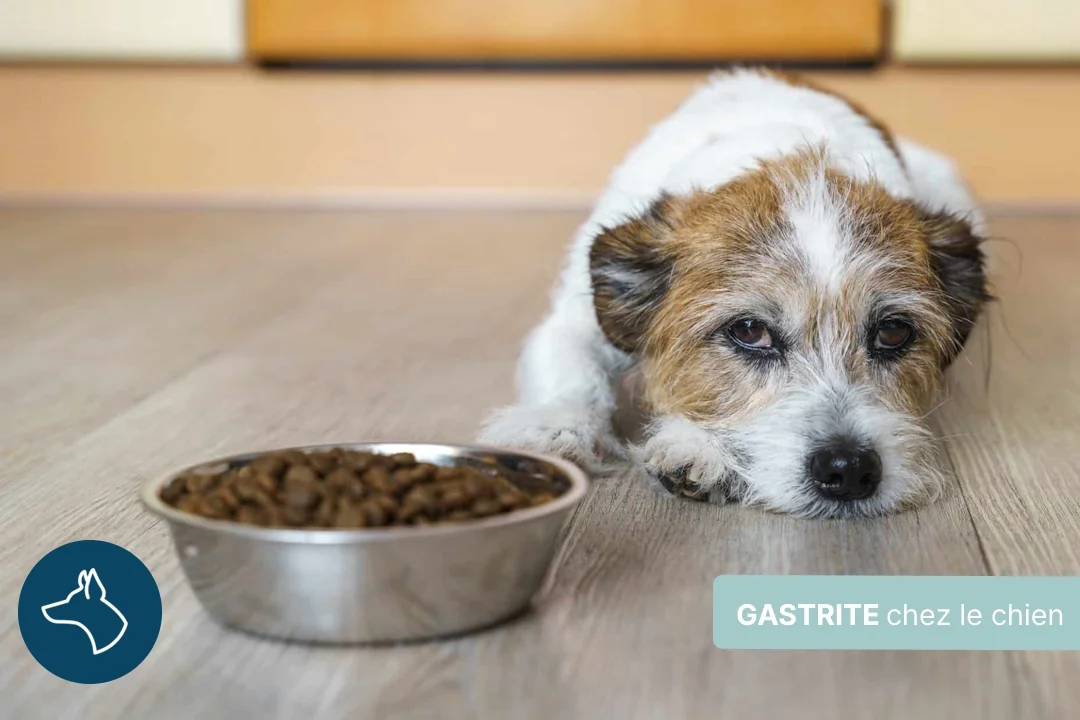
Gastritis in dogs, symptoms and solutions
06 October 2025
Read moreUnderstand and naturally relieve canine digestive disorders.
Gastritis is an inflammation of the mucous membrane of the dog's stomach, often underestimated but nonetheless common. It can be acute or chronic, causing a variety of digestive symptoms of varying intensity. In this article, find out why your dog may suffer from gastritis, how to recognize the signs in good time and what natural solutions can help him regain good digestive comfort.
Why can a dog suffer from gastritis?
Gastritis in dogs is a multifactorial disorder: it can be linked to dietary errors, stress, infection or chronic irritation of the gastric mucosa. Understanding its origins enables us to adapt care and prevention measures.
- A diet that is unsuitable, too fatty, too rich or of poor quality.
- Ingestion ofspoiled food, table scraps or irritants (plants, household products, etc.).
- Stress, changes in routine oranxiety that disrupt the digestive system.
- Certain bacterial infections (such as Helicobacter), or the presence of intestinal parasites.
- Prolonged use of medications (anti-inflammatories, corticoids) that can irritate the stomach.
Signs to recognize
Depending on its severity, gastritis can be discreet or more pronounced. Careful observation of your dog's behaviour is essential to detect the first signs and act quickly.
- Repeated vomiting (often of bile, especially on an empty stomach).
- Loss of appetite or changes in eating habits.
- Sluggishness, lethargy or unusual nervousness.
- Excessive salivation, nausea, frequent yawning.
- Abdominal pain: the dog curls up or moans when touched.
- Progressive weight loss in chronic gastritis.
How to deal effectively with gastritis in dogs?
Prompt treatment is essential to avoid complications (ulcers, dehydration, weight loss). Here are the key steps:
- Consult a veterinarian: Diagnosis is based on a clinical examination, sometimes supplemented by a blood test or ultrasound scan. The veterinarian can adapt the diet and prescribe symptomatic treatment.
- Adapt your diet: give preference to highly digestible food, in small quantities but more frequently.
- Avoid fatty foods, industrial sweets and table scraps.
- Choose lean proteins (chicken, turkey, rice, cooked carrots, etc.).
- At the same time, natural supplements can soothe the gastric mucosa, regulate acidity and promote intestinal flora.
Conclusion
Gastritis in dogs is a common but often reversible condition when detected early. A balanced diet, good stress management and the use of natural supplements like Gastro Dog can provide lasting stomach relief and improve your companion's quality of life.
FAQ
How can I tell if my dog is suffering from gastritis?
Vomiting on an empty stomach, loss of appetite and listless behavior are often revealing. A veterinary consultation will confirm the diagnosis.
How serious is gastritis in dogs?
Usually not, but it can become chronic or complicated by ulcers if not treated promptly.
My dog vomits in the morning on an empty stomach. Is it gastritis?
This is common when the stomach is too empty; bile irritates the mucous membrane. A light meal before bedtime and a digestive supplement can help.
Can Gastro Dog be combined with veterinary treatment?
Yes, Gastro Dog can be used as a complement to medical treatment, with the advice of a veterinarian.
-
 Horse advice
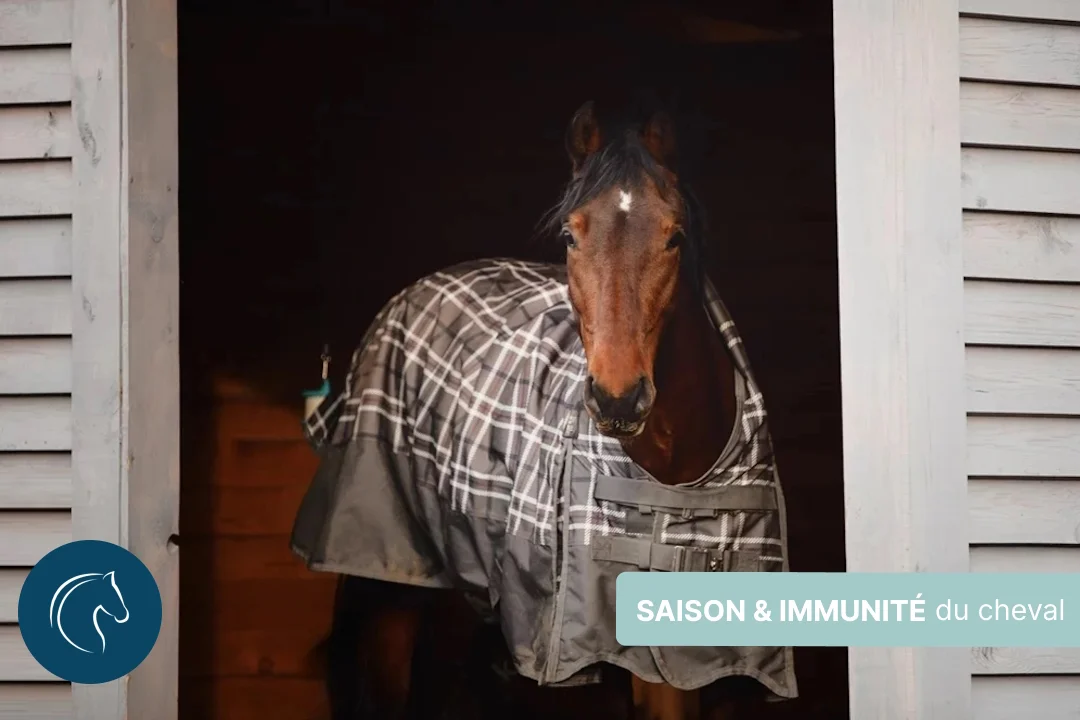
Change of season: detoxify and boost your horse's immunity
26 September 2025
Read moreWhen temperatures fluctuate, humidity rises and grass quality changes, the horse's body is put under greater strain. Between the need to eliminate metabolic waste, minor sluggishness and increased sensitivity to infectious agents, targeted support helps your horse to get through the period more comfortably.
Why does the change of season weaken a horse's body?
The horse's body is sensitive to changes in the environment, climate and diet, which is why it's vital to adapt effectively to seasonal changes. Here are a few examples of situations that can affect your horse:
- Thermal and hygrometric variations: they upset thermoregulation and increase energy expenditure.
- Dietary transition: richer grass in spring, poorer grass in autumn, changes of forage or pasture.
- Hepatic and renal load: metabolism of sugars, proteins and environmental toxins to be eliminated.
- Oxidative stress: variations in activity, moulting, training and travel all contribute to the production of free radicals.
- Intestinal microbiota in transition: adapting to new intakes and becoming temporarily unstable.
Signs to watch out for during seasonal transitions
In order to anticipate and prevent various disorders in your horse, it is important to recognize certain signs such as :
- Dull coat, long or irregular moult; mild itching.
- Slight drop in fitness, slower recovery after exercise.
- Fluctuating appetite, softer or irregular droppings.
- Diffuse muscle tension, morning stiffness, back tenderness.
- Increased sensitivity to cold snaps or everyday aches and pains.
Action plan: gentle detox and immune support
Acting early, ideally two to three weeks before the seasonal changeover, helps the body adapt. Early treatment limits theaccumulation of metabolic waste and helps the body's natural defenses.
1) Lifestyle and environmental management
- Plentiful clean water, salt stones available.
- Gradual food transition (10-14 days) between plots/hays.
- Daily outings and free movement to stimulate natural drainage.
- Regular brushing to accompany moulting and activate microcirculation.
- Dry shelter and clean bedding to limit humidity and the risk of skin infections.
2) Functional power supply
- Provide quality fibers (various types of hay) and split if necessary.
- Securing the microbiota: yeast/probiotics and prebiotics.
- Natural antioxidants (vitamin E, selenium, polyphenol-rich plants) as required.
3) Targeted natural supplements
Draining herbs and immunomodulating nutrients can gently support liver/kidney function and natural defenses. The aim is not to "force", but to support physiological mechanisms.
Conclusion
Seasonal changes place heavy demands on a horse's body. By combining an adapted lifestyle, a controlled dietary transition and targeted natural support, you can help your horse get through these periods gently. In case of doubt or persistent symptoms, ask your veterinarian for advice.
FAQ
When should I start a detox program for my horse?
Ideally 2 to 3 weeks before the season changeover, then continue for 3 to 6 weeks depending on the animal's response.
Is a detox suitable for working horses?
Yes, by favouring a gentle detox, compatible with training and recovery, and by adapting energy intake.
How do I know if my horse needs immune support?
Early signs include difficult moulting, unusual fatigue, irregular droppings or increased sensitivity to small cold snaps.
Can I use the Essential Health Pack with a veterinary treatment?
The pack can be integrated into a comprehensive treatment program. If you are currently undergoing treatment, ask your veterinarian for advice.
-
 Horse advice
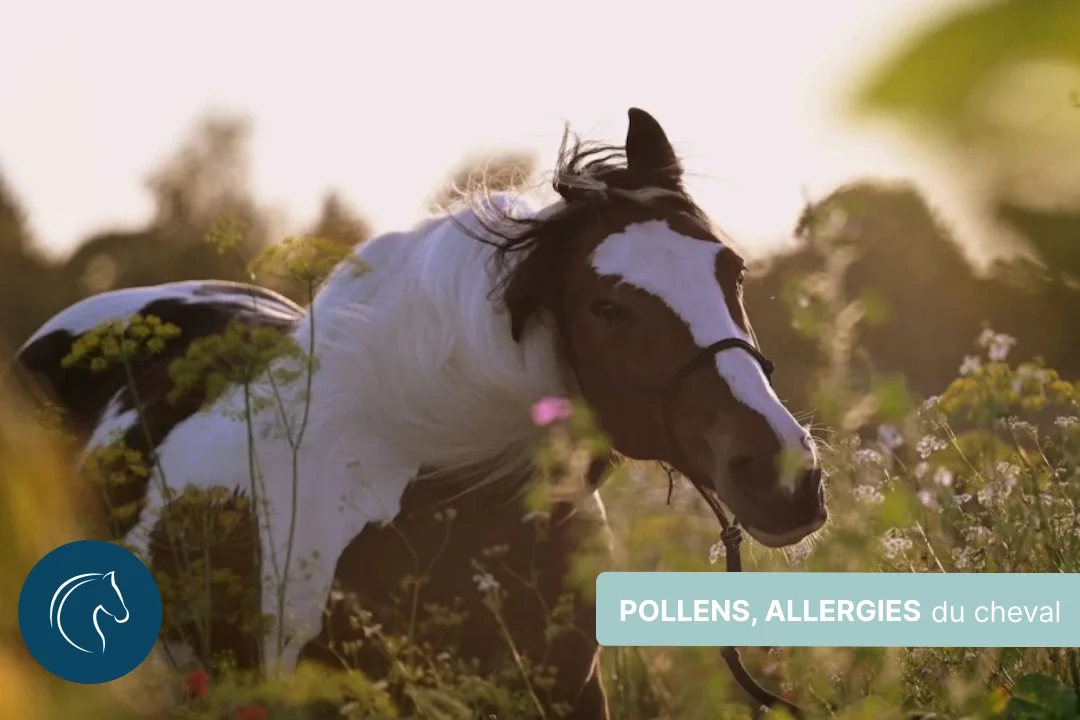
Pollens and respiratory allergies in horses: how to prevent them?
11 August 2025
Read moreUnderstanding, recognizing and acting to protect equine respiratory health
Pollen-related respiratory allergies are common in horses, especially in spring and summer. They can affect performance, comfort and quality of life. In this article, we'll look at why they occur, how to recognize the signs and what solutions can help prevent them.
Why can a horse suffer from respiratory allergies to pollen?
Respiratory allergies occur when the horse's immune system overreacts to certain airborne particles, such as pollen. Causes and aggravating factors include:
- Seasonality: high pollen counts in spring and summer.
- Individual sensitivity: some horses are genetically more reactive.
- Dusty environment: dry hay, undusted bedding, dry paddocks.
- Weakening of the immune system: stress, deficiencies, chronic illnesses.
Signs to look out for in your horse
Respiratory allergy symptoms can vary in intensity, but the most common are :
- Clear or slightly tinted nasal discharge.
- Dry cough, more frequent with exertion or in dusty environments.
- Faster breathing or wheezing.
- Decreased performance and unusual fatigue.
- Nose scratching or head rubbing.
How can you take effective action to protect your horse?
From the very first signs, it's important to take action to prevent the allergy from taking hold or worsening.
- Limit exposure: take the horse out at times when pollen is less present (early morning or evening), wet hay, use dust-free bedding.
- Support immunity: balanced diet, antioxidant and vitamin intake.
- Maintain respiratory hygiene: promote healthy air in the stable (good ventilation, no excessive dust).
- Consult a veterinarian if symptoms persist or worsen.
In addition, a natural preventive solution such as Allergo Protect helps to support the body's resistance to allergens and reduce excessive reactions.
Conclusion
Pollen-related respiratory allergies in horses are annoying, but early treatment combined with targeted prevention and natural support like Allergo Protect can limit their impact on your companion's health and well-being.
FAQ
My horse has never had allergies, can it suddenly develop them?
Yes, a horse can become sensitive to pollens at any age, often after several exposures.
Is it possible to continue working an allergic horse?
Yes, but by adapting the effort and avoiding periods of high pollen concentration.
Is the Allergo Pack more effective than Allergo Protect alone?
The pack combines several complementary actions and can be particularly interesting for very sensitive horses.
-
 Default
My cat has stopped urinating: what are the causes and what should i do?
30 July 2025
Read moreWhy can a cat stop urinating?
The absence of urine in cats, also known as anuria or oliguria depending on its severity, is a serious and potentially life-threatening symptom. There are several possible causes:
- Urethral obstruction, often due to crystals or mucous plugs.
- Severe urinary tract infections or chronic inflammation.
- Advanced kidney disease reducing urine production.
- Stress or behavioral disorders blocking urination.
- Side effects of certain drugs or intoxications.
It is essential to determine the exact cause quickly to avoid serious, even irreversible, complications.
Warning signs not to be ignored
A cat that no longer urinates often shows visible signs that should never be overlooked:
- Frequent unsuccessful attempts to urinate in the litter box.
- Mewling in pain, restlessness or excessive licking of the genital area.
- Abdomen tense or painful to palpation.
- Fatigue, loss of appetite, vomiting or abnormal behavior.
- Total absence of urine in the litter for more than 12 to 24 hours.
These signs indicate a veterinary emergency. Prompt treatment is vital.
How can we deal with this problem effectively?
A cat that has stopped urinating should be seen by a vet as a matter of urgency. Obstruction can lead to serious poisoning of the body and death within a few hours if left untreated.
Actions to be taken :- Immediate veterinary consultation to detect obstruction or kidney problem.
- Infusion, urinary catheterization or surgery in case of obstruction.
- Regular monitoring of renal function and urinary system after stabilization.
At the same time, natural support can be provided for the kidneys and urinary tract, particularly after the critical phase, to prevent recurrence.
Conclusion
When a cat stops urinating, it's a veterinary emergency. Prompt treatment saves lives, but it's also essential to prevent recurrences. With natural supplements like the Cat Kidney Health Pack, you can effectively support your cat's kidney and urinary functions.
FAQ
Could it just be stress?
Stress can play a role, but a potentially serious physical cause should never be overlooked.
My cat has started urinating again after a seizure. Should I still go to the doctor?
Yes, even if the episode seems resolved, it's important to check the condition of your kidneys and prevent recurrences.
Can I give Pack Santé Reins Chat as a preventive measure?
Yes, as a preventive measure for cats with a history of urinary or kidney problems, always with veterinary advice.
-
 Health topics
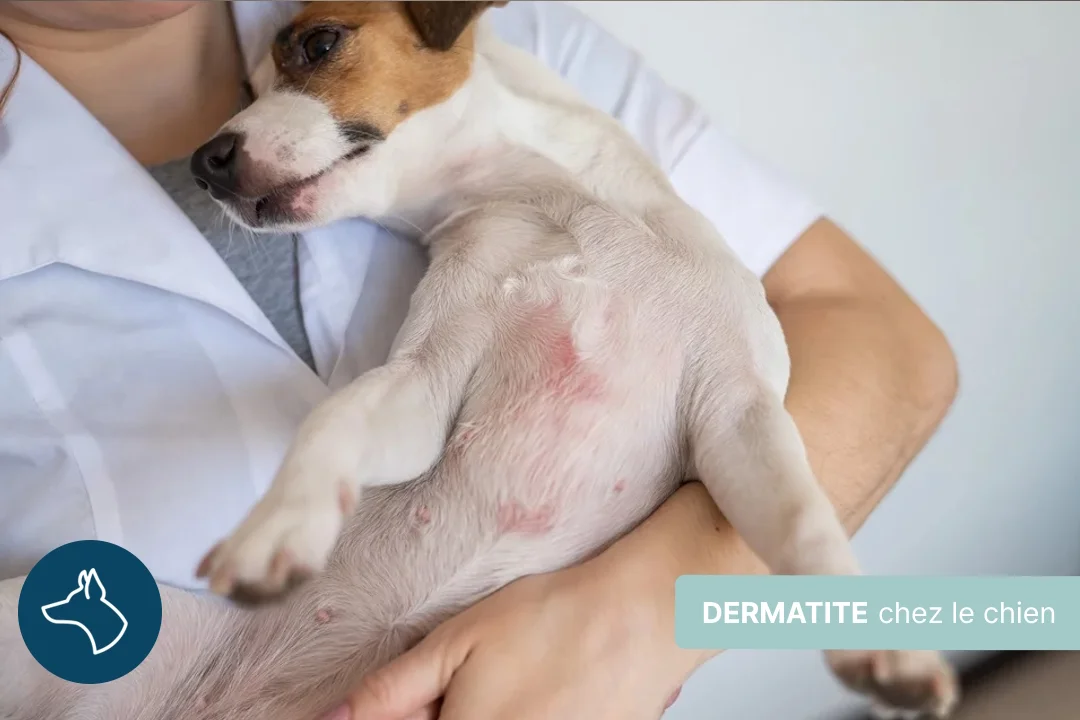
Dog dermatitis, symptoms and treatment
08 July 2025
Read moreRecognizing skin disorders in dogs.
Dermatitis is a common skin condition in dogs, which can have multiple origins: allergic, parasitic, bacterial or environmental. It often causes itching, redness, irritation and discomfort.
Why can a dog suffer from dermatitis?
The causes of canine dermatitis are varied, but among the most common are :
- Food or environmental allergies (dust mites, pollens, molds).
- Flea bites or other parasites (scabies, augusts).
- Bacterial or fungal infections.
- A genetic predisposition or weakened immune system.
- Inadequate hygiene or chronic stress.
Signs to look out for in your dog
The symptoms of dermatitis can vary depending on the cause, but certain signs should raise a red flag:
- Frequent itching (scratching, licking or biting).
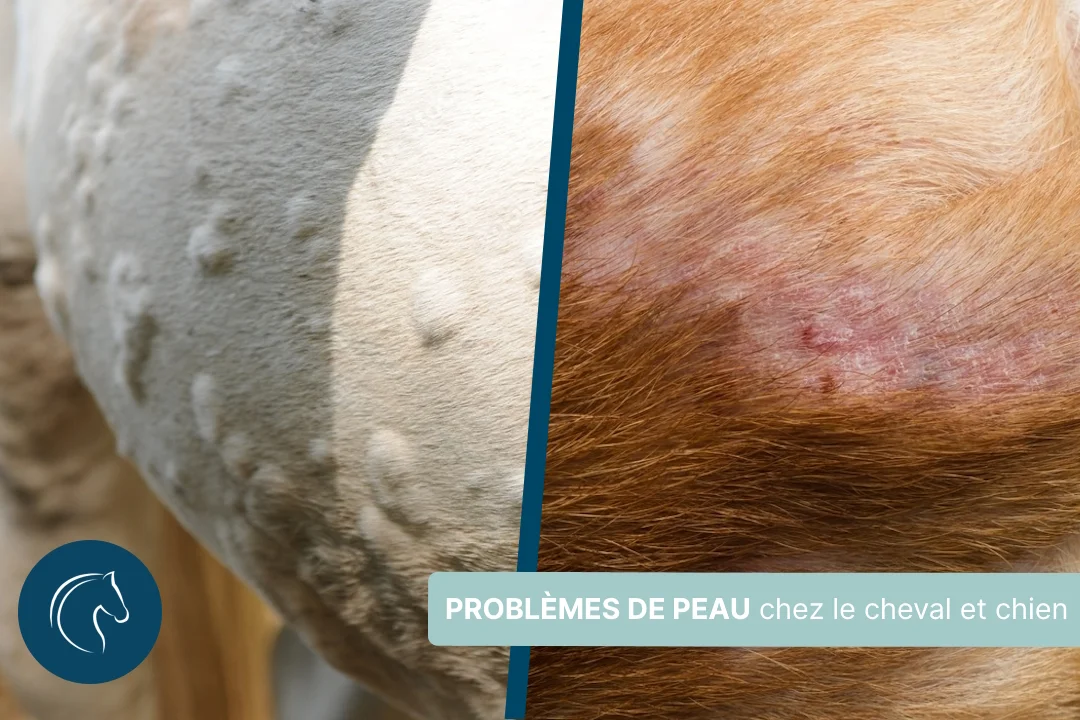
- Redness, patches or scabs on the skin.
- Localized or generalized hair loss.
- Unpleasant odor coming from the skin.
- Agitated or irritated behavior.
How to take effective action?
Prompt treatment is essential to preventskin lesions from worseningand to relieve your dog. Here are a few recommendations:
- Identify and eliminate the cause of dermatitis (parasites, food, allergens).
- Maintain good hygiene with care products adapted to canine pH levels.
- Offer a balanced diet, rich in omega-3 and antioxidants.
- Use soothing natural remedies in addition to veterinary treatment if necessary.
Allergo Derme Dog: a natural spray to soothe your dog's skin
Conclusion
Dog dermatitis can seriously affect your dog's well-being. By acting quickly, adapting your dog's environment and using natural solutions like Allergo Derme Dog, you can help keep your dog healthy and comfortable on a daily basis.
FAQ
What time of year is dermatitis most common?
Episodes of dermatitis are often more frequent in spring and summer, due to outdoor allergens and parasites.
My dog is scratching but I can't see anything on his skin. Is it dermatitis?
Symptoms may be internal or incipient. A veterinary consultation is recommended for early diagnosis.
Are long-haired dogs more at risk?
Yes, long-haired dogs can retain moisture, allergens and parasites more easily.
-
 Horse advice
How can you improve your horse's muscle recovery?
30 June 2025
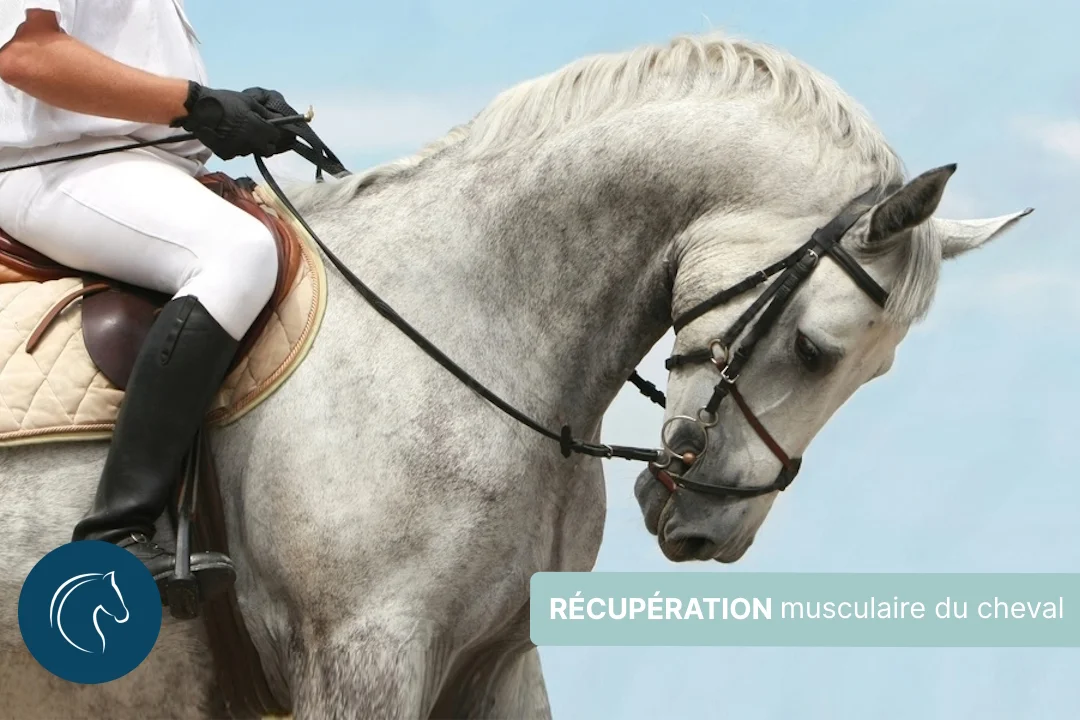
Read moreA horse's well-being and performance depend to a large extent on its muscular health. Equine muscles are subjected to a great deal of stress, whether duringintense effort, competition or simplydaily exercise. Muscle recovery is a crucial component in managing your equine's overall health. The specialists at Lore & Science tell you all about the best ways to optimize your horse's muscle recovery.
Better muscle recovery for improved performance
Just like human athletes, equine muscles require an inescapable period of recovery after being put through their paces. Although discreet, muscle recovery is a complex set of physiological processes. Its primary objective is to repair tissues that have been damaged during exercise. At the same time, it eliminates the metabolic waste products that have accumulated during exercise, helping to cleanse and revitalize muscle tissue. What's more, this recovery phase plays a fundamental role in re-establishing the muscular balance that is essential to the horse's continued performance.
The importance of muscle recovery cannot be underestimated, especially for athletic horses. It is the cornerstone of injury prevention, preventing fatigued muscles from becoming vulnerable to the excessive stresses that can lead to injury. This recovery period is also an essential element in maintaining long-term performance, as it enables the horse to retain optimum muscle strength and the ability to respond to physical demands with vigour. More broadly, it is intrinsically linked to the horse's general well-being, promoting physical comfort and contributing to overall health.
How can you help your horse's muscular recovery after a competition or intense effort?
Events such as competitions and horse racing lead to lactic acid production and cellular oxidation in the horse athlete. In the long term, this can have serious consequences. Fortunately, it is possible to speed up the recovery process.
Incorporating stretching and equine massage
For example, we recommend incorporating stretching and massage into your post-competition recovery routine. Stretching helps to release muscle tension built up during exercise, improve flexibility and prevent injury. They are particularly beneficial after intensive training sessions or competitions. Stretching can target specific muscle groups, such as the hind legs, shoulders or neck, depending on your horse's needs. Well-executed massages, on the other hand, can relieve muscle knots, stimulate blood circulation, promote the elimination of metabolic waste products and help prevent muscle soreness. It's important to learn proper equine massage techniques from an experienced professional or certified equine therapist, as the wrong massage can cause more harm than good.
Use 100% natural food supplements
How to optimize muscle recovery in horses on a daily basis?
Athlete horses aren't the only ones concerned by the need for good muscle recovery. For working horses and mares, as well as for everyday use, there are a number of key measures to be implemented.
One of the first keys is, as is often the case, an appropriate diet. Protein, in particular, is essential for the regeneration of muscle tissue. Make sure your horse's diet provides quality nutrients to support this recovery. Similarly, adequate hydration is crucial to avoid muscle cramps and exhaustion. Make sure your horse always has access to clean, fresh water.
The second pillar of equine muscle recovery is, of course, rest. After an intense and demanding effort, it's imperative to give your horse a period dedicated to recovery. Within this recovery interval, your horse can regenerate its energy reserves, repair muscle micro-injuries and restore its physiological balance.
However, it's not enough to simply allow the horse to rest. The environment in which this rest takes place is of crucial importance. A calm, comfortable environment is the key to your horse's complete muscular relaxation. This means creating a space where he can escape stressful stimuli and distractions. A clean, well-ventilated and sufficiently spacious stall is often the best choice for providing your horse with the ideal place to recharge his batteries. Make sure the stall has a soft, comfortable bedding to encourage restful sleep.
If you follow these few tips, you'll soon notice that your horse's muscles recover more quickly. You'll also prevent a number of lesions and injuries that can be caused by over-fatigue. Of course, it's essential to adapt these practices to your horse's individual needs, activity level and sensitivity. A gentle, progressive approach is the key to ensuring that your horse or mare benefits fully from these muscle-recovery techniques.
Share your experience or questions with us in the comments ↓
-
 Horse advice
A horse's rotten fork: how to treat it?
30 June 2025
Read moreWhy does a horse suffer from a rotten fork?
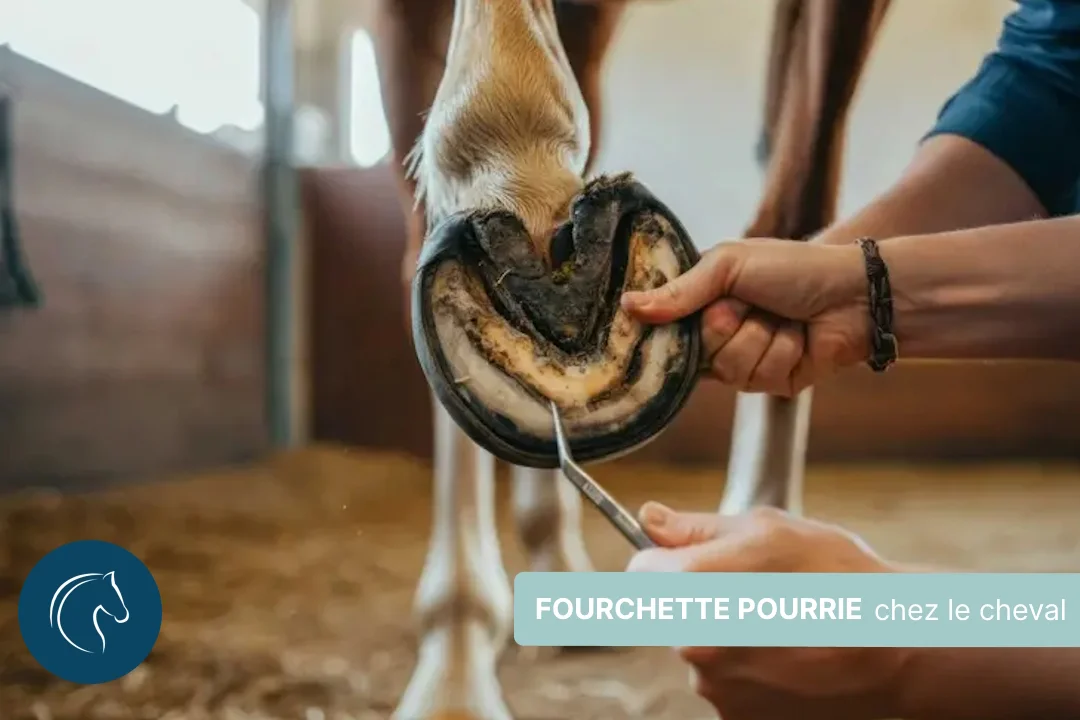
Rotting fork, also known as fork rot, is a common ailment of the horse's hoof. It manifests itself as decomposition of the fork tissues, accompanied by a foul odor, pain and sometimes lameness. This pathology is mainly caused by :
- A damp or dirty environment (poorly maintained stalls, muddy paddocks).
- Lack of maintenance or regular hoof trimming.
- Weakening of local hoof immunity.
- An unbalanced lifestyle or diet.
Signs of a rotten fork in a horse
The symptoms of rotten fork are relatively simple to recognize, including:
- Strong, unpleasant foot odor.
- A soft, black or crumbly fork.
- Pain on pressure, sometimes with associated lameness.
- A dark flow in the lateral gaps.
- A reluctance to walk on certain floors.
What to do about it?
It's essential to act quickly as soon as the first signs appear to avoid aggravation. Here are the recommended actions:
- Thoroughly clean the horse's feet daily.
- Maintain a clean, dry environment.
- Consult a farrier for appropriate trimming.
- Use natural antiseptic and healing products to disinfect and support tissue regeneration.
A natural local treatment such as Lore & Science's Aseptis Balm is particularly well-suited to treating rotten frogs. Its plant-based formula promotes disinfection while respecting the hoof's natural balance.
Conclusion
Rotten forks are a common ailment, but can be prevented with simple hygiene and appropriate care. Aseptis Baume offers a natural, effective and respectful solution to support healing and prevent recurrence. Taking care of your horse's feet also means preventing more serious locomotor disorders.
FAQ
My horse lives in pasture all year round. Is it more at risk?
Yes, especially if the ground is often wet or muddy. Regular foot monitoring is essential.
Can I use bleach to disinfect?
Not recommended. It can be too aggressive. Better to opt for gentle, natural solutions like Aseptis Baume.
Can a farrier work on a rotten fork?
Yes, it plays an essential role in eliminating dead tissue and promoting healthy regrowth.
-
 Health topics , Horse advice
Skin problems in dogs and horses, the benefits of vitamin c
26 June 2025
Read moreHow to boost the immune system of dogs and horses prone to skin problems?
The link between the immune system and skin disease in horses and dogs is often overlooked. Yet an effective immune system acts as a shield against skin disease. A weakening of this system can then trigger a variety of dermatological disorders, from infections to complex allergies. In this article, the experts at Lore & Science explain the best ways to boost the immune system of your skin-prone canine or equine companion. The aim: optimal skin health and lasting well-being.
What is the link between the immune system and skin health in horses and dogs?
Whether we're talking about dogs or horses, the immune system plays an essential role in protecting the body against infection, allergens and disease. This includes defense of the skin, the body's largest organ, which acts as a primary barrier against external aggression.
A weakened immune system means a reduced ability to fight off pathogens. Bacteria, viruses and fungi can all cause skin infections. Without an adequate immune response, these micro-organisms multiply, leading to skin damage, inflammation and infection . There can also be exaggerated responses to common allergens, leading to conditions such as atopic dermatitis. The latter is characterized by intense itching, redness and skin irritation, further compromising the skin's integrity.
Some dogs and horses are genetically predisposed to immune weakness, increasing their risk of developing skin problems. In addition, environmental factors such as stress, poor diet and exposure to toxins can weaken them and make them more vulnerable to skin disorders.
How can I boost my pet's immune system and skin health?
There are three main areas to watch out for to ensure your four-legged friend's good health: diet, stress and preventive care adapted to his age and lifestyle.
Preventing skin disorders in horses through nutrition
In turn, horses fed the right diet are less prone to allergies and other skin diseases. A diet rich in vitamins, in particular vitamin C and vitamin PP (Niacin), helps boost the equine immune system. These vitamins, found in VitaBIO C & PP (horse)play a crucial role in protecting the skin and modulating the immune response.
Stress management and well-being
Treating and preventing skin diseases in dogs and horses
The skin is our pets' first protective barrier against many infections and diseases. When our pets are prone to skin problems and ailments, such as allergies or genetic predisposition, it's important to establish an appropriate skin care routine.
On the one hand, regular hygiene is crucial to removing dirt, debris and allergens that can irritate the skin and open the door to infection. For dogs, regular bathing with shampoos adapted to their skin type helps keep skin clean and healthy. For horses, daily grooming not only cleans the coat, but also stimulates blood circulation. On the other hand, prevention and control of external parasites (fleas, ticks and mites in particular) are fundamental to avoid skin irritations and infections. Regular use of suitable anti-parasite products is a must.
Even if your four-legged friend doesn't suffer from skin problems, taking care of it on a daily basis will help support its immune function and guard against potentially more serious conditions.
Conclusion
In conclusion, the close link between the immune system and skin health in our canine and equine friends is undeniable. A well-performing immune system acts as a shield against a multitude of dermatological disorders. Degradation of this defense can lead to a variety of problems, from simple irritations to more complex and debilitating conditions. Remember, however, that every animal is unique, and that a veterinary consultation is essential to adapt these recommendations to your companion's specific situation.
Share your experience or questions with us in the comments ↓
Search on blog
Last blog articles
On sale
100% natural guaranteed solutions












Secure
payment

100% plant-based
GMO-free

Made
in France

Fast
delivery

No chemical
agents

Newsletter Lore&Science
Subscribe and
Subscribe and
get 10% off