









Connexion
Create an account

Lore&Science's blog
Discover our range of health supplements specially formulated to support the well-being of dogs, cats, and horses, helping maintain their vitality, mobility, and overall balance every day
-
 Default
Stressed cats: how to soothe them?
24 June 2025
Read moreWhy can a cat be stressed?
Stress in cats is a natural reaction to situations perceived as threatening or unusual. However, chronic stress can adversely affect health and behavior. Several factors can trigger this stress:
- A move or a change of environment.
- The arrival of a new pet or baby in the household.
- Unusual or frequent noises (construction work, fireworks, etc.).
- A disrupted routine or lack of stimulation.
- Poor socialization or past trauma.
Signs of stress
Cats under stress may exhibit a variety of unusual behaviors. Here are some signs to watch out for:
- Urinary marking or sudden uncleanliness.
- Aggressiveness or withdrawal.
- Excessive grooming or hair loss.
- Appetite disorders (bulimia or anorexia).
- Hypervigilance, frequent meowing or nocturnal agitation.
How to react effectively?
At the first signs of stress, it's essential to take action to restore your cat's well-being. Prompt attention limits the impact on your cat's physical and mental health.
Here are some solutions to consider:
- Provide a calm environment, with hiding places and resting areas high up.
- Maintain a stable routine and avoid sudden changes.
- Stimulate the cat with games and daily interaction.
- Use pheromone diffusers or soothing music.
- Consult a veterinarian or behaviorist if necessary.
In addition, natural support can be beneficial. RelaxCat from Lore & Science is a supplement specifically formulated for cats prone to stress, anxiety or simply nervousness when faced with changes in daily life.
Conclusion
Stress in cats is a common problem, but one that should not be underestimated. By understanding the causes and taking appropriate care, you can greatly improve your cat's quality of life. By combining a serene environment, a stable routine and a natural supplement like RelaxCat, you can give your cat every chance of regaining its equilibrium.
FAQ
My cat has been stressed since moving house. What can I do?
It's important to recreate landmarks: secure his new environment with hiding places and familiar smells, and stick to a stable routine.
What are the most common signs of stress in cats?
Urine marking, isolation, excessive licking, loss of appetite or irritability are signs to watch out for.
Can RelaxCat be given to an older cat?
Yes, RelaxCat is suitable for cats of all ages. If in doubt, ask your vet for advice.
Is RelaxCat compatible with other treatments?
RelaxCat can be used as a complement to veterinary treatment, on the advice of a practitioner.
-
 Horse advice
Mycosis and fungi in horses, complete guide
23 June 2025
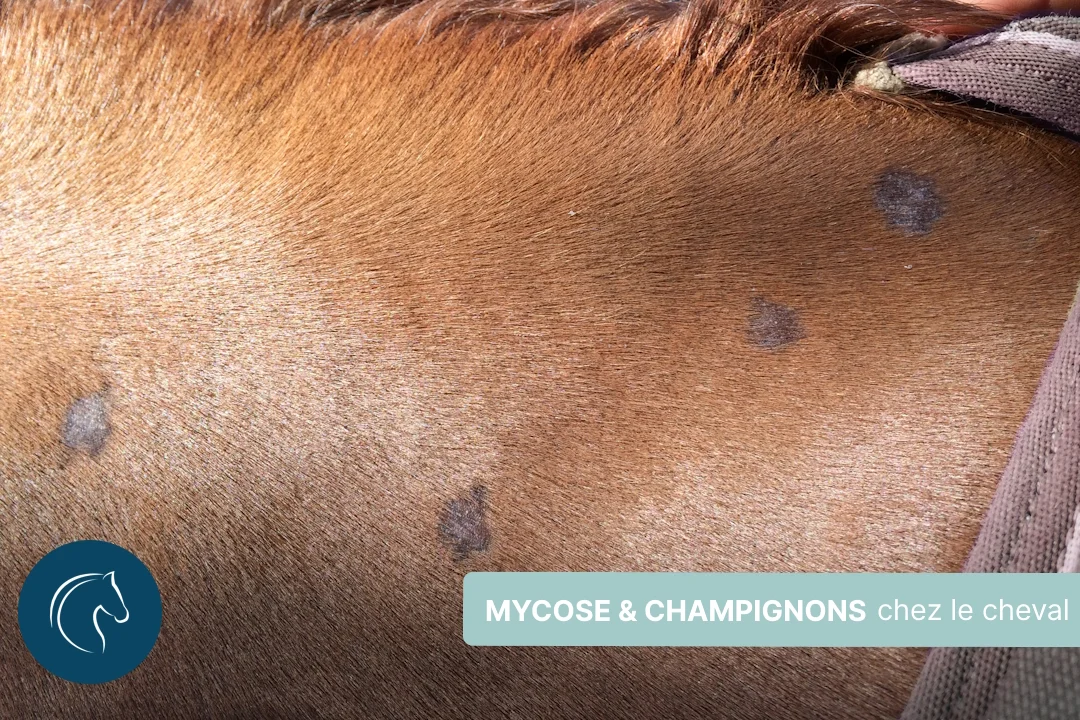
Read moreMycoses, infections caused by microscopic fungi that are ubiquitous in the environment, pose a real health problem for horses. These fungal infections mainly affect the skin and hooves of equines, but can also invade the respiratory tract, although the latter form is rarer. In this article, Lore & Science presents a detailed overview of fungal infections in horses.
Understanding mycosis in horses
Mycoses are infections caused by microscopic fungi, often present in the environment. Environmental conditions therefore play a decisive role in their development. Unventilated stables, constantly damp floors and dirty bedding create ideal conditions for the proliferation of fungi. For example, a horse living in a stable where bedding is rarely changed is much more likely to develop fork rot. Add to this an immune system weakened by stress, inadequate nutrition or pre-existing diseases, and the animal's vulnerability to fungal attack increases considerably.
The most common types of fungal infection
Fungal infections in horses come in many forms, each with its own particularities and specific pathogens. Dermatophytosis, commonly known as ringworm, is one of the most common and contagious fungal infections. Dermatophytes Trichophyton equinum and Microsporum gypseum are the usual culprits. The condition is characterized by circular patches of falling hair, often accompanied by scaling and itching. Horses with ringworm can also transmit the infection to other horses, and even to humans, making this mycosis a particular concern in stables.
Another common form of mycosis in horses is fork rot, which affects the hooves. It's usually caused by a combination of fungi and bacteria, and thrives in damp, poorly maintained environments. Symptoms take the form of malodorous necrosis of the fork, often accompanied by lameness due to pain.
Although less common, respiratory mycosis can also affect horses. It is often caused by fungi of the Aspergillus spp. genus, and can lead to serious health problems. Affected horses may show signs of respiratory distress, persistent coughing and abnormal nasal discharge. Avoiding dusty environments and well-ventilated stables are important preventive measures to minimize the risk of this rare but serious infection.
How to treat fungus in horses
First of all, if you suspect a fungal infection in your horse, isolate it and call in your regular veterinarian. This will prevent the infection spreading to the whole stable. The treatment then prescribed will depend on the type of fungus and the severity of the situation.
Local care for mycosis
To effectively combat mycosis in horses, local care plays a crucial role. Antifungal shampoos and ointments, particularly those containing ketoconazole or miconazole, are frequently used to treat dermatophytosis. These specialized products eliminate the fungi present on the skin and prevent the infection from spreading.
In the specific case of fork rot, rigorous daily hoof cleaning is imperative. Using antiseptic solutions and products specially designed for the fork helps to disinfect the affected area and prevent the proliferation of fungi and bacteria. Applying an antifungal balm after cleaning also helps to heal and protect the fork from re-infection. This local care, combined with strict hygiene, is essential to maintain hoof health and avoid painful complications.
Systemic treatments
For severe or extensive mycotic infections, systemic treatments become necessary. Your vet may prescribe oral or injectable antifungals(griseofulvin or itraconazole). These drugs fight the infection from within, reaching the affected areas via the bloodstream. Duration and dosage depend on the severity of the infection and the horse's response to treatment.
Environmental management in the event of fungal infestation
To prevent recurrence of mycosis in horses, it's vital to keep the environment and living environment as clean as possible. Humidity, the main enemy of horses' skin and foot health, must be combated by all possible means: regular , thorough cleaning of stables to eliminate any accumulation of urine and other organic debris, well-drained floors to prevent the build-up of water and stagnant humidity, frequent bedding changes, and good ventilation of living spaces.
How to prevent horse fungus?
Share your experience or questions with us in the comments ↓
-
 Health topics
Does your dog need magnesium?
17 June 2025
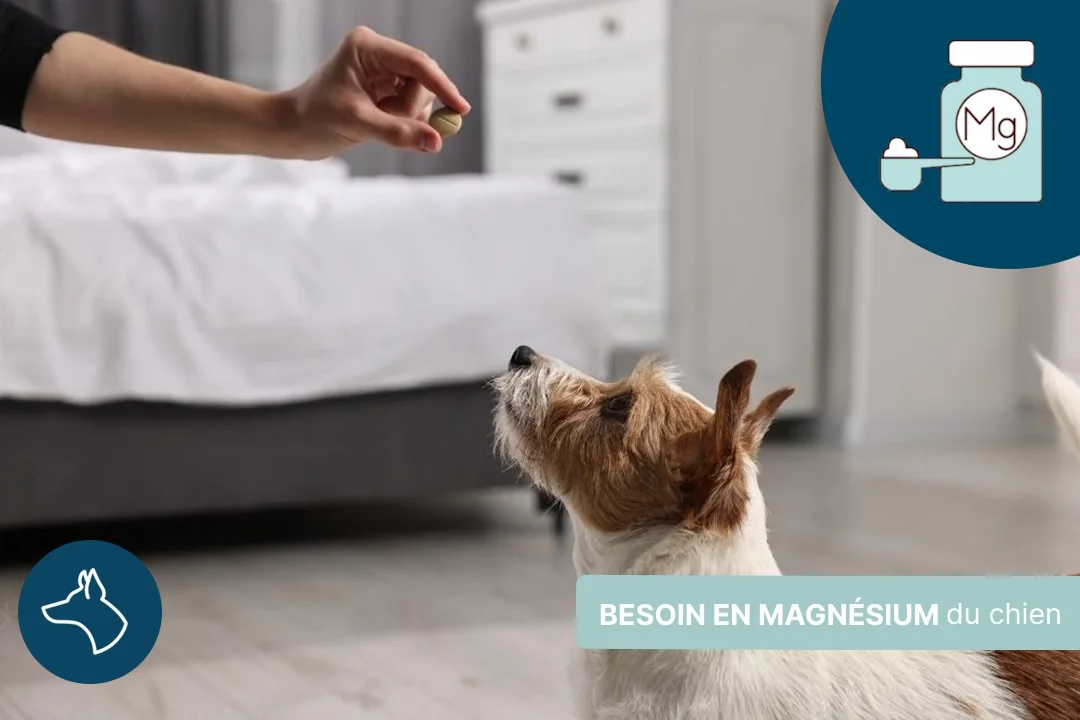
Read moreAs you already know, your dog is a carnivorous animal. However, although his nature leads him to feed mainly on meat, he needs much more to stay in top health. Among the many nutrients essential to his well-being, magnesium holds a special place. This often overlooked mineral is fundamental to the proper functioning of the body. Magnesium not only influences muscular and nervous capacities, but also plays a crucial role in stress management,improving recovery after exercise, and maintaining behavioral balance. In this article, Lore & Science explains why this mineral is essential to your dog's health, and how you can ensure he gets enough every day.
The role of magnesium in the dog's body
In dogs, as in humans, magnesium is essential for the proper functioning of muscles and nerves, regulating blood pressure and maintaining bone density. This mineral is also a cofactor in over 300 enzymatic reactions, which means it is necessary for the activation of various enzymes essential to survival.
One of magnesium's most important roles is in muscle support. It helps regulate muscle contractions and prevent cramps and spasms. In athletic dogs or those who exercise a lot, it is particularly crucial to ensure proper recovery after exertion. Adequate intake also helps prevent muscular rigidity and promotes flexibility. A real asset, especially for older dogs!
The effects of magnesium on behavior and stress
Just like humans, dogs can be subject to episodes of stress andanxiety, whether due to changes in their environment, loud noises such as thunderstorms or fireworks, or separation from their owners.Agitation,excessive barking, destruction of objects or digestive problems are all behaviors indicative of stress that you may have already noticed in your companion.
Magnesium helps regulate the production of cortisol, the stress hormone, and thus contributes to calming nervous reactions. It acts as a natural muscle and nervous system relaxant. As such, it moderates excessive reactions to stressful stimuli. As a result, an adequate intake of magnesium can promote more serene, balanced behavior in your dog.
Risks of magnesium deficiency in dogs
Unfortunately, magnesium deficiency is not uncommon in dogs, particularly due to inadequate diet or intestinal absorption problems. Signs of magnesium deficiency can vary, but generally include:
- muscle weakness
- tremors
- cramps
- lethargy
- behavioral problems (hyperexcitability or anxiety)
Dogs suffering from severe deficiencies can even develop more serious problems, such as convulsions or cardiac arrhythmias.
Growing puppies, pregnant or lactating females and sporting dogs are particularly vulnerable to magnesium deficiency. Similarly, older dogs or those suffering from certain chronic illnesses may be at risk of deficiency due to reduced intestinal absorption or disturbed metabolism.
The importance of a magnesium-rich diet
Magnesium, an indispensable ally for your dog's health
Magnesium is a mineral of vital importance to your dog's well-being. This essential nutrient plays a multifaceted role in muscle support, post-exertion recovery and stress management. Its presence is essential to the proper functioning of the canine organism, and its absence can lead to physical and behavioral problems. Ensuring an adequate magnesium intake through a balanced diet and, if necessary, supplements will help prevent deficiencies and keep your companion in top health. Whether your dog is an accomplished athlete or simply prone to stress, investing in his health means offering him the best every day by your side.
Share your experience or questions with us in the comments ↓
-
 Horse advice
Osteopath, animal masseur - everything you need to know about these animal welfa
16 June 2025
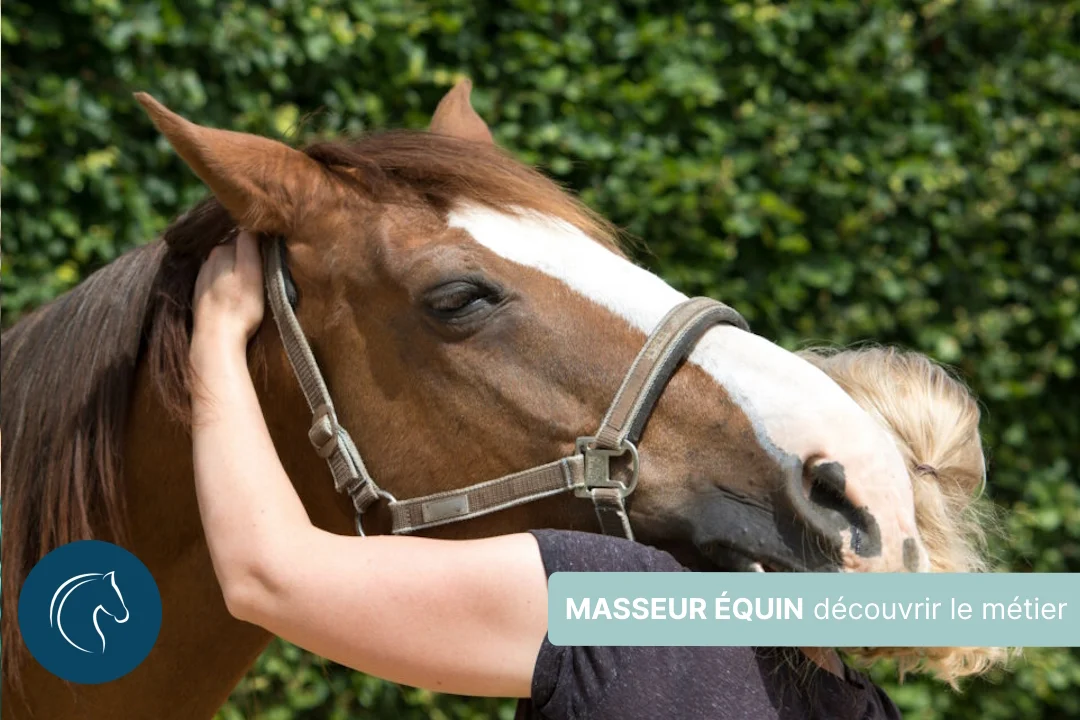
Read moreHave you ever heard of osteopathy or animal massage? These practices are gaining in popularity and attracting growing interest from pet owners and veterinary professionals alike. These complementary disciplines offer natural, holistic solutions to improve the health and well-being of our four-legged companions. Lore & Science tells you all about these professions whose aim is the comfort of our four-legged companions.
What is an animal osteopath?
Animal osteopathy is a manual therapeutic approach aimed at restoring balance and mobility to the body structures of animals. It emerged in the early 20th century, inspired by human osteopathy founded by Dr. Andrew Taylor Still.
This discipline considers the body as a whole, focusing on the interactions between muscles, bones, ligaments, joints and organs. The animal osteopath uses gentle manipulative techniques to treat a variety of musculoskeletal, visceral and cranial disorders in animals. She can relieve pain, improve mobility and promote self-healing in horses, dogs or even cats. Targeted manipulations restore optimal range of motion, which is essential for aging animals, those with injuries or chronic illnesses.
What training do animal osteopaths have?
You can't improvise yourself as an osteopath, whether for animals or for human beings. That's why animal osteopaths must undergo 5 years of specialized training, combining sound theoretical knowledge with rigorous practical skills. This training always encompasses a number of fundamental aspects: a thorough understanding of animal anatomy and physiology, as well as a mastery of the anatomical structures and physiological systems that govern the animal body.
In addition to the theoretical aspect, training courses also include a significant practical component, essential for the future application of knowledge with animals. Future animal osteopaths learn to perform a variety of articular, visceral and craniosacral manipulations, in order to effectively treat dysfunctions and improve the mobility of animals. Learning these techniques demands precision and delicacy, as each manipulation must be adapted to the animal and its state of health. Theory and practice combine to enable osteopaths to make the right diagnosis. Indeed, students are trained to assess animals with discernment and to identify musculoskeletal dysfunctions.
Last but not least, animal osteopaths receive training in professional ethics and deontology. It can never be repeated enough, but future osteopaths must understand their legal and ethical responsibilities, and adhere to high standards of professional practice. As a reminder, since 2017, animal osteopathy can be practiced by non-veterinary osteopaths as long as they can justify skills defined by decree and are registered on a list maintained by the regional veterinary order.
Animal massage: a holistic approach to well-being
Animal massage has its origins in human massage practices, but has been adapted to meet the specific needs of animals. The practice uses stroking, friction, tapping and kneading techniques to improve blood circulation, reduce stress and promote soft-tissue healing in animals. Oriented towards the animal's physical and emotional well-being , animal massage is part of a holistic approach to the well-being of our four-legged companions. Its aim is not medical, but rather daily comfort throughout the life of dogs, cats or even horses.
What does an animal masseur do?
Animal masseur, animal massage practitioner... these names cover the same practices. These people specialize in the application of therapeutic massage techniques on animals to promote their well-being and relaxation. Their practices include a wide variety of methods well known for their application and benefits in humans: Swedish massage, reflexology, shiatsu, etc. The aim is to apply these methods to relieve muscular tension, improve blood and lymph circulation, and reduce stress and anxiety in animals.
For example, an animal masseur can intervene to help a working dog suffering from muscular overwork, or to soothe a nervous horse before a competition. However, it's crucial to note that an animal masseur's expertise in no way replaces that of a veterinarian. For any serious or persistent health problem, veterinary diagnosis and treatment remain indispensable. Animal massage is above all a complementary practice, designed to enhance the comfort and quality of life of animals in convalescence, rehabilitation or simply in search of relaxation.
Animal massage training and regulations
Unlike osteopathy, animal massage is not governed by specific laws. As a result, masseurs are not allowed to claim to be osteopaths or veterinarians, since they are practicing a completely different profession. However, anyone wishing to become a professional masseur must comply with current animal welfare legislation.
As far as training courses are concerned, there are several available, covering a variety of methods. Generally speaking, they coveranatomy and physiology, essential for applying the right massage techniques to your target animals. Practice also plays an important role, so as to acquire the right gestures and dexterity needed to apply the knowledge and methods used.
Conclusion
As you can see, osteopathy and animal massage are enriching and essential professions that contribute greatly to the well-being of animals. These holistic practices, based on manual techniques and a deep understanding of animal anatomy and physiology, offer natural solutions to improve the health and quality of life of animals. Increasingly democratized, these professions aim to improve the day-to-day comfort of our precious pets, and their development shows the growing interest of owners in these methods.
Share your experience or questions with us in the comments ↓
-
 Horse advice
Gastritis in horses, symptoms and treatment
12 June 2025
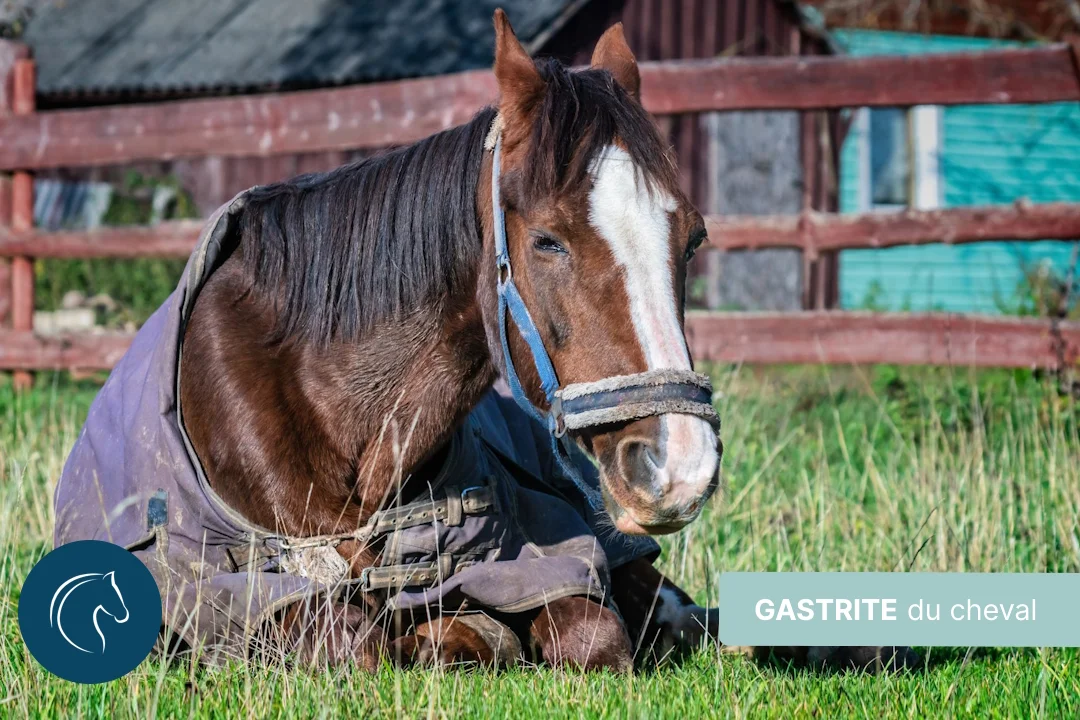
Read moreGastritis is an inflammation of the stomach lining, relatively common in horses, which can affect their well-being, performance and behavior. In this article, we explain why a horse can suffer from gastritis, how to identify the signs and what natural solutions can help.
Why can a horse suffer from gastritis?
There are several causes of inflammation of the gastric wall in horses:
- Chronic stress (transport, change of environment, intensive training).
- Meals spaced too far apart or a diet low in fiber.
- Too many concentrates or cereals, which are acidic for the stomach.
- Excessive production of gastric acid, without sufficient mastication to buffer this acidic pH.
- An imbalance in digestive flora.
Gastritis can develop into gastric ulcer if not treated promptly.
Clinical signs to watch out for
Equine gastritis is not always easy to diagnose, as its signs can be discreet. However, certain behaviors or symptoms should raise a red flag:
- Decreased appetite or refusal to eat certain foods.
- Weight loss, even with adequate nutrition.
- Irritable behaviour, tics (such as the tic à l'appui).
- Abdominal pain: horse itches, lies down after eating.
- Counter-performance, loss of energy.
- Soft faeces or irregular droppings.
What to do about gastritis
It's essential to take action at the earliest signs to relieve the gastric mucosa and avoid complications. Here are the recommended measures:
- Split meals and ensure permanent access to good-quality hay.
- Limit concentrates and favor long fibers.
- Reduce sources of stress in the horse's environment.
- Seek veterinary advice to confirm diagnosis.
At the same time, the use of natural supplements can effectively support gastric recovery.
Gastro Support: natural support for your horse's gastric comfort
Conclusion
Gastritis is a frequent and often underestimated pathology in horses. By acting quickly, adapting diet and lifestyle and supplementing with natural solutions such as Gastro Support, it is possible to restore good gastric comfort and prevent relapses.
FAQ
Can all horses suffer from gastritis?
Yes, although certain profiles are more at risk, such as sport horses, stressed animals or those on unsuitable diets.
How can I tell if my horse is suffering from gastritis?
Signs such as loss of appetite, behavioral changes or loss of condition should raise the alarm. A veterinarian can confirm the diagnosis.
Are natural remedies enough?
They are very useful for prevention or support, but a veterinary consultation is essential in case of doubt.
-
 Horse advice
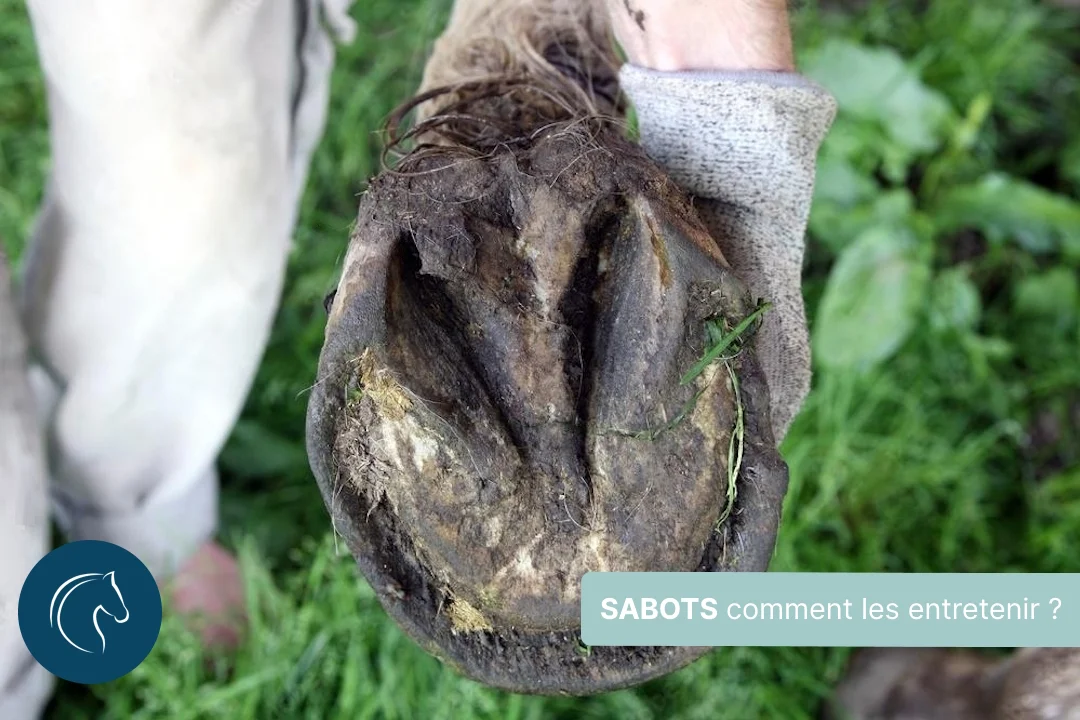
Barefoot: how to care for the hooves of horses with shoes off?
09 June 2025
Read moreThe equestrian world is witnessing a growing trend towards unshod horses, i.e. the practice of leaving horses unshod, often referred to as "barefooting". This much-debated practice is part of a more natural approach that respects equine physiology. But how do you maintain barefoot horses' hooves to guarantee their well-being and performance? Lore & Science guides you through the fundamental principles and best practices for optimal care of barefoot horses' feet.
Why opt for unshoeing?
Dehorning, or leaving horses barefoot, is based on a philosophy that aims to respect the intrinsic nature of the horse. In the wild, horses travel long distances over a variety of terrains, allowing their hooves to wear naturally and evenly. Wearing shoes, while justified in certain contexts, alters the way the horn wears and can alter blood circulation in the horse's feet. Removing shoes therefore means restoring a more natural balance. Horses without shoes often develop a harder, denser horn, capable of withstanding a variety of terrains. What's more, the absence of shoes provides more natural cushioning, which can reduce the risk of injury to tendons and joints.
Adapting the horse to bare feet
The transition from shoeing to barefoot requires a careful, gradual transition. The horse, accustomed to wearing shoes, must adapt to the new demands on its hooves. During this period, your horse may be more sensitive, especially on hard or stony ground. This sensitivity is normal and should not be confused with lameness.
To ease this transition, we recommend gradually reducing the amount of time spent working on hard surfaces, while allowing the horse to get used to different types of terrain. The use of hipposandals, temporary shoes for horses, can be a temporary solution to protect hooves while allowing a smooth adaptation.
Choosing the right plot
The ground on which an unshod horse runs plays a crucial role in hoof maintenance. Ground that is too soft or too muddy can excessively soften the horn, while ground that is too hard or stony can lead to premature wear. It's important to strike a balance and adapt outings to the quality of the terrain.
The varied soils, which alternate between sandy, grassy and stony surfaces, provide natural, balanced hoof wear. They also help to gradually strengthen the horn. However, it is essential to monitor the condition of the hooves and adjust the horse's work according to the evolution of the horn.
Hoof care basics
The importance of regular trimming
Regular trimming is the key to hoof care for barefoot horses. Trimming involves trimming and shaping the horn to maintain optimum hoof shape. Regular trimming prevents the horn from thickening too much or becoming deformed.
Trimming must be carried out by a professional farrier . It must be adapted to each horse's morphology, taking into account horn quality, hoof shape and the type of terrain in which the animal is used. In general, trimming is recommended every six to eight weeks, although this frequency can vary according to horn growth.
Moisturize and nourish horn
Another fundamental aspect of hoof care is the hydration and nutrition of the horn. A dry horn is more likely to crack or break, which can lead to infection or lameness. To maintain a healthy horn, regular hydration is essential.
There are several ways to moisturize hooves. One of the simplest is to regularly soak the horse's feet in water, especially in dry weather. Specific ointments or oils can also be applied to nourish the horn and prevent dryness. Be careful, however, not to overuse them: a horn that's too soft can be just as problematic as one that's too dry.
Prevent infections and abscesses
Barefoot horses, especially when going through a period of adaptation after shoeing, can be more susceptible to infections and abscesses. The latter are often caused by foreign bodies penetrating the horn and creating pockets of pus. Good hygiene is essential to prevent these problems.
It's important to clean hooves daily, removing any dirt or stones that may be lodged in them. The use of a hoof pick is indispensable for this task. In addition, regular inspection enables any abnormality to be detected early, such as cracks or areas of softer horn, and action to be taken before the problem worsens. If the horse shows increased sensitivity on hard or rough surfaces, this may indicate that the horn is not sufficiently thick or hard.
Conclusion
Maintaining a barefoot horse's hooves takes time, observation and expertise. It's a commitment to the animal's well-being, requiring a thorough understanding of hoof physiology and the specific needs of each horse. When properly managed, dehorning can offer many benefits, including improved foot health and a more natural gait. However, the success of this approach depends on rigorous maintenance, appropriate trimming and constant attention to the horse's needs.
Share your experience or questions with us in the comments ↓
-
 Health topics
Heat and hormonal disorders in bitches
04 June 2025
A bitch's heat is part of her natural reproductive cycle, but it's sometimes accompanied by hormonal and behavioral problems that can disrupt her daily life and that of those around her. How can we recognize the signs and prevent them? What treatments and natural solutions are available? In this article, you'll find a complete guide to help you better understand and support your dog, with a special focus on Lore & Science's natural supplement Horma Regul Dog.
Why can a bitch suffer from hormonal problems?
Hormonal disorders in bitches are often linked to hormonal cycles and fluctuations. Here are the main causes to consider:
- Hormonal imbalances after heat or nervous gestation.
- Nervous pregnancies: maternal behavior (licking, nest building) in the absence of gestation.
- Environmental stimulation: presence of males, stress, change of environment.
- Racial or individual factors: certain breeds or individuals may be more sensitive.
What are the symptoms of hormonal disorders in bitches?
Manifestations can be varied and sometimes subtle. Here are the main symptoms to watch out for:
- Behavioral changes: irritability, nervousness, hyperactivity or apathy.
- Prolonged or irregular heat.
- Udder development and milk production without gestation.
- More attractive to males.
- Lethargy and loss of appetite.
- Change in vulva or secretions.
When and how to act?
As soon as the first signs appear, it's advisable to consult a veterinarian to rule out a pathological cause and consider appropriate support. Here are some solutions and treatments to consider:
- Lifestyle: reduce stress, maintain regular physical activity and watch your diet.
- Balanced diet: quality nutrients to support hormonal balance.
- Heat management: appropriate hygienic protection and cycle monitoring to anticipate problems.
- Veterinary treatments: in the event of severe or pathological disorders, your veterinarian may prescribe hormone treatments or appropriate medication.
In addition, natural solutions are available to support the hormonal cycle and limit discomfort.
Horma Regul Dog: natural support for hormonal disorders
Conclusion
Heat and hormonal disorders are normal but sometimes confusing stages in a bitch's life. By understanding the symptoms and adopting a holistic approach that combines a healthy lifestyle, veterinary advice and natural supplements like Horma Regul Dog, you can give your bitch the support she needs to get through this period more serenely.
FAQ
At what age do bitches go into heat for the first time?
Heat generally appears between 6 and 12 months, depending on size and breed.
Can Horma Regul Dog be used for prevention?
Yes, it can be given as a course of treatment to support hormonal regulation and prevent associated disorders.
How long will it take to see the effects?
Effects generally appear within a few days to a few weeks, depending on the animal.
Is it compatible with other veterinary treatments?
Yes, but it's best to ask your vet for advice if you're undergoing medical treatment.