









Connexion
Create an account
Create an account
Connexion

Lore&Science's blog
Discover our range of health supplements specially formulated to support the well-being of dogs, cats, and horses, helping maintain their vitality, mobility, and overall balance every day
-
 Dog advice
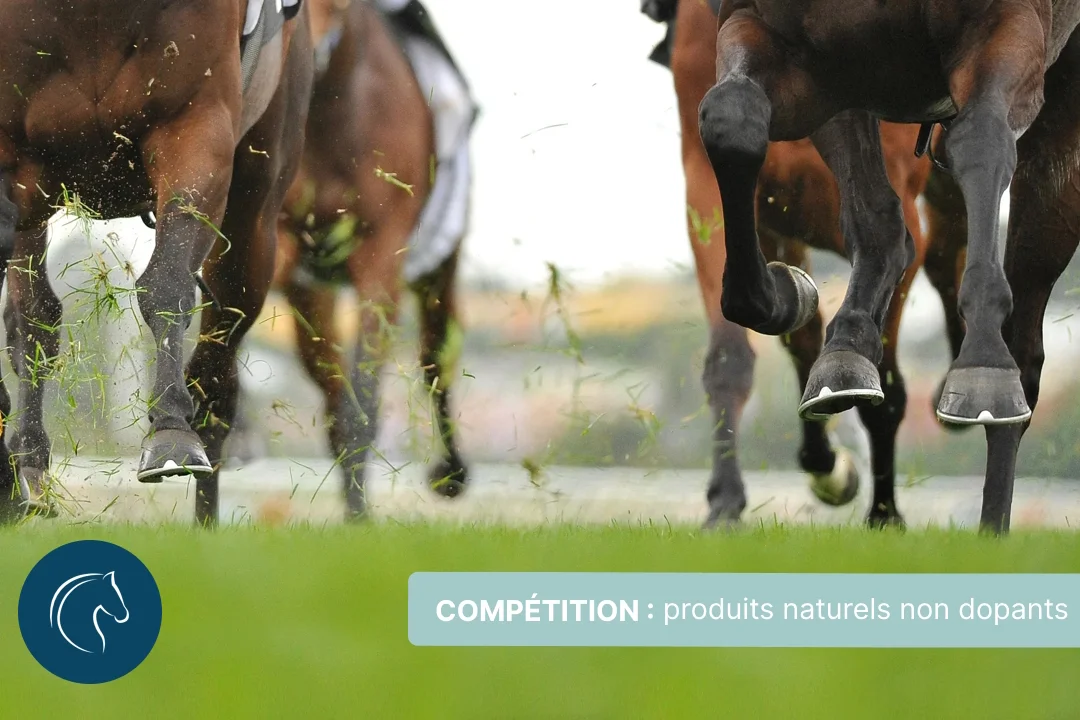
Equestrian competitions: our non-doping supplements
30 March 2025
Read moreWhat is animal doping?
Just like in humans, doping does not spare animals. The subject is very topical, but it is not new, as it was mentioned years ago.
This illegal practice is taken very seriously by the official bodies and is even increasingly reinforced by anti-doping tests.
Doping consists of administering substances to an animal to artificially increase its performance during a competition. It can also consist in masking the use of products that boost the animal's capacities.
The animals most affected by doping are horses, dogs and even fighting bulls. However, the controls are more focused on the equestrian world.
It is important to know that the substances sanctioned by the law can be administered involuntarily. It is therefore not systematically an intentional fraudulent act.
Examples include food contamination or a longer disposal time for veterinary drugs.
Prohibited substances and anti-doping procedure
Among the substances prohibited by law in dogs and horses are several items:
- The doping substances act on the immune, cardiovascular, respiratory, digestive and musculoskeletal systems of the animal. Non-steroidal anti-inflammatory drugs account for nearly 60% of positive tests. They help boost the body and limit the feeling of fatigue.
- Physical modification procedures that may impact physical ability. Examples include nasal surgery in horses to improve breathing, or neurectomy, which involves cutting certain nerves to remove pain.
- The use of elements that mask the use of doping products. For example, it can bediuretic elements that promote the elimination of doping molecules through the urine.
It is possible to consult the complete list of doping products by asking the veterinarian for advice.
And what about anti-doping controls to combat fraud?
Generally speaking, they include an interview with the person in charge of the dog or horse, samples such as blood and urine, and a medical examination if the vet deems it necessary.
Some good anti-doping practices
Even if many products are incompatible with the world of horse and dog racing, it is possible to combine sporting activities with certain harmless substances.
- Food: check the composition of food to ensure that it does not contain any illegal substances such as caffeine or theophylline. It is especially important not to store food next to medication. During competitions, use only personal food and your own food accessories.
- Medication: respect the elimination time of the substances recommended by the veterinarian. In case of doubt, do not hesitate to carry out a control test beforehand.
Natural non-doping products for competitions
It is understandable that owners would like to improve the physical abilities of their sporting animal, whether it is a dog or a horse.
However, this is not a good way to proceed as the penalties can be very severe and it can also affect the health of the animal.
Fortunately, there are natural solutions to boost performance without resorting to doping. Herbal medicine can be an excellent alternative to doping products.
For horses
For dogs
Dog sports such as cani-cross or greyhound racing expose the animal's body to permanent stress.
In order to promote general well-being, it is important to take care of the musculoskeletal system. To meet this need, there are non-doping food supplements that help maintain the health of joints and ligaments.
Similarly, vitamins can be taken to strengthen the immune system of the sporting dog. Also, they are great to fight against the appearance of deficiency.
You have questions or want to share your experience, react in the comments ↓
-
 Horse advice
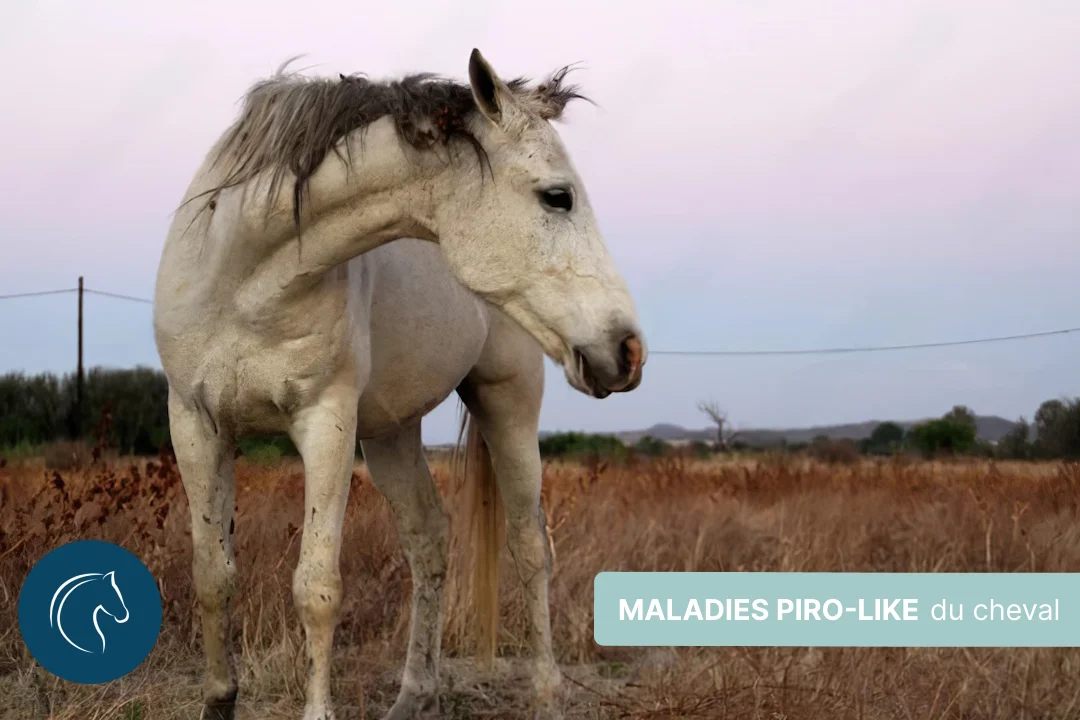
Piroplasmosis and piro-like diseases of the horse - symptoms, treatments and pre
28 March 2025
Read moreIntroduction
Piroplasmosis, or equine babesiosis, is a serious parasitic disease caused by two main types of protozoa: Babesia caballi and Theileria equi. These parasites are transmitted to horses by ticks, notably of the Dermacentor and Rhipicephalus genera. Once infected, the horse may present a variety of symptoms, often difficult to distinguish from other equine diseases, making diagnosis a complex task.
The consequences of piroplasmosis
Piroplasmosis can have a wide range of consequences, from mild fatigue to life-threatening complications. In addition to piroplasmosis, other so-called piro-like diseases (such as anaplasmosis and borreliosis) present similar symptoms. These diseases, which are also transmitted by ticks, are a serious threat to horses' health.
Symptoms of piroplasmosis in horses
Clinical signs to watch out for
Piroplasmosis can manifest itself as a combination of various symptoms:
- High fever
- Anemia: destruction of red blood cells, causing pale mucous membranes (gums, eyelids).
- Fatigue and general weakness
- Icterus (jaundice): yellowish tint of the skin and mucous membranes
- Hemoglobinuria: dark red to brown urine with an unusual odor
- Loss of appetite and weight
- Respiratory distress
When these symptoms appear, it's crucial to consult a veterinarian without delay.
Piro-like diseases: Symptoms and diagnosis
Equine anaplasmosis
Caused by Anaplasma phagocytophilum, this disease results in :
- High fever
- Lethargy
- Swelling of the lower limbs
- Ataxia (motor coordination disorders)
Diagnosis is based on blood smears and PCR tests.
Equine Ehrlichiosis
Caused by Ehrlichia risticii, this disease is also transmitted by ticks and can cause :
- Fever
- Severe diarrhea
- Rapid dehydration
Equine borreliosis (Lyme disease)
This disease, caused by Borrelia burgdorferi, leads to :
- Muscle and joint pain
- Moderate fever
- Neurological symptoms (facial paralysis, limb weakness)
- Intermittent swelling of joints
Treatment and prevention
Veterinary diagnosis and treatment
Conclusion
Piroplasmosis and piro-like diseases represent a real danger for horses. Prompt treatment is essential to reduce the risk of complications. If in doubt, always consult a veterinarian to ensure your horse's health.
Share your questions and experiences with us in the comments ↓
-
 Health topics
Dog deworming: protecting your pet's health
24 March 2025
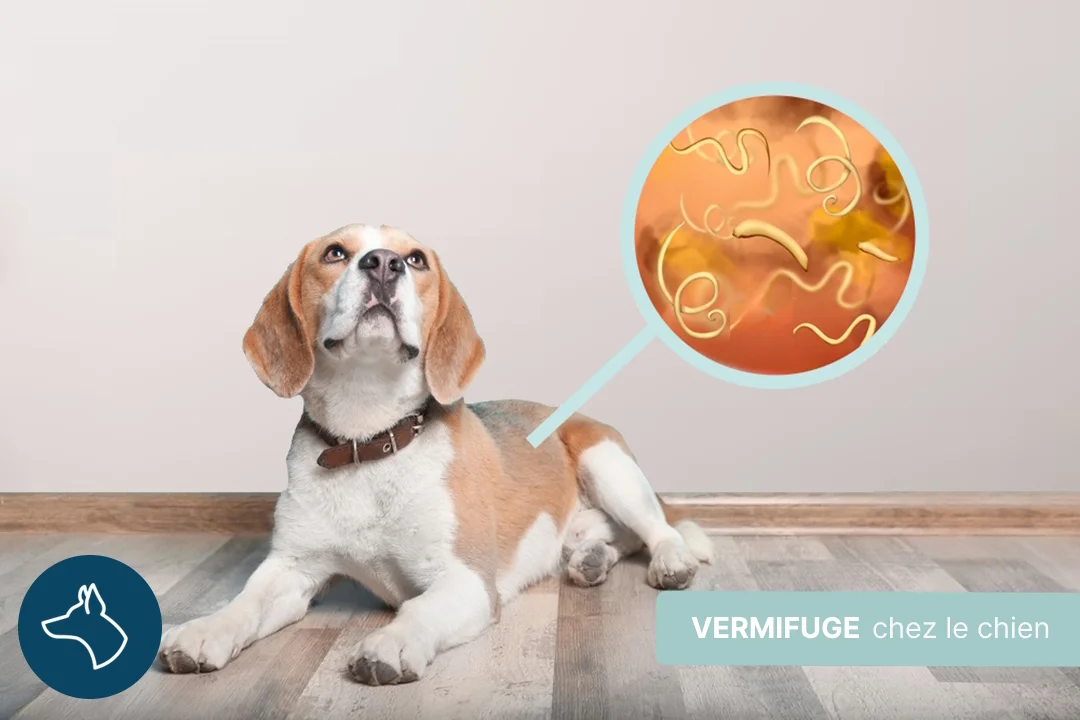
Read moreWhether they live more or less outdoors, dogs are exposed to many parasites, one of the most common being worms. Present in food, feces, fleas or transmitted by other animals, worms disturb the health of dogs by causing many health problems. To ensure good health, it is therefore essential to regularly deworm your dog. Signs of infestation, treatment, prevention, Lore & Science tells you everything.
How to spot intestinal parasites in dogs?
At first glance, it is difficult to distinguish the presence of intestinal worms in dogs. Indeed, their presence is not always perceptible or constant in your pet's excrement. However, a certain number of signals can alert you to a potential infestation:
- vomiting
- diarrhea
- loss of appetite
- weight loss
- lethargic behavior
- rubbing of the hindquarters on the ground to relieve oneself
- respiratory problems and recurrent coughing
- white spots that look like grains of rice in the stool
If your dog or puppy shows one or more of these signs, you may want to consult your veterinarian, who will perform a stool analysis. He or she will be able to determine what type of worms are present: roundworms (nematodes), tapeworms (cestodes) or protozoa.
In any case, it is essential to deworm your pet regularly to avoid these infestations that weaken it, whether it is a puppy, an adult dog or a senior dog.
When to deworm your dog?
The frequency of deworming depends on the age and lifestyle of your dog. Puppies should be dewormed every two weeks until they are 12 weeks old, then monthly until they are six months old. Adult dogs should be dewormed every three to six months, depending on their lifestyle.
If your dog spends a lot of time outdoors, hunts, or is in contact with other animals, more frequent deworming is recommended. Dogs with weakened immune systems or those with chronic illnesses may also require more frequent deworming.
In addition, breeding bitches are at risk of transmitting parasites to their litter during gestation and through suckling. Therefore, it is advisable to deworm them a few days before mating, then two weeks before the expected whelping and finally two weeks after the birth.
Why is it important to deworm your dog?
In addition to the unpleasant symptoms that intestinal worms can cause in dogs, such as vomiting and diarrhea, they can also lead to more serious problems such asanemia, dehydration and malnutrition. In addition, some species of intestinal worms can migrate to other parts of the dog's body, such as the lungs, heart and liver, which can lead to serious and permanent damage.
It is also important to understand that intestinal worms are not just a health problem for your dog. Some species of worms can be transmitted to humans, especially small children who are more likely to play on the floor and put things in their mouths. Note that parasites can also be transmitted to other pets, which can lead to a widespread infestation in your home.
Finally, it is important to note that not all dogs are equal in terms of their risk of intestinal worm infestation. Dogs that spend a lot of time outdoors, live in areas where worms are more common, or have a weakened immune system are more likely to become infected. Therefore, it is especially important to deworm these dogs regularly to protect them from parasites.
How to deworm your dog?
First, rest assured that deworming is easy and can be done at home, although you can ask your veterinarian for help. There are two types of dewormers: over-the-counter and prescription-only.
How to avoid intestinal parasites for dogs?
In short, it's important to take steps to prevent worm infestations in your dog. Simple reflexes can be put in place, such as :
- Avoid areas where dogs have defecated.
- Remove your dog's feces quickly.
- Wash your dog's toys and bowls regularly.
- Prevent your dog from eating things he shouldn't, such as garbage or other animals' feces.
In conclusion, deworming is a crucial part of your dog's health. Intestinal worms can cause many health problems in dogs, including vomiting, diarrhea and weight loss. Worms can also be transmitted to humans, especially young children.
It is therefore important to deworm your dog regularly depending on his age, size and lifestyle. Finally, don't forget to take preventive measures to avoid worm infestations in your dog. By following these tips, you can help protect the health of your canine companion and your family.
Do you have a question? Any advice? React in the comments ↓
-
 Horse advice
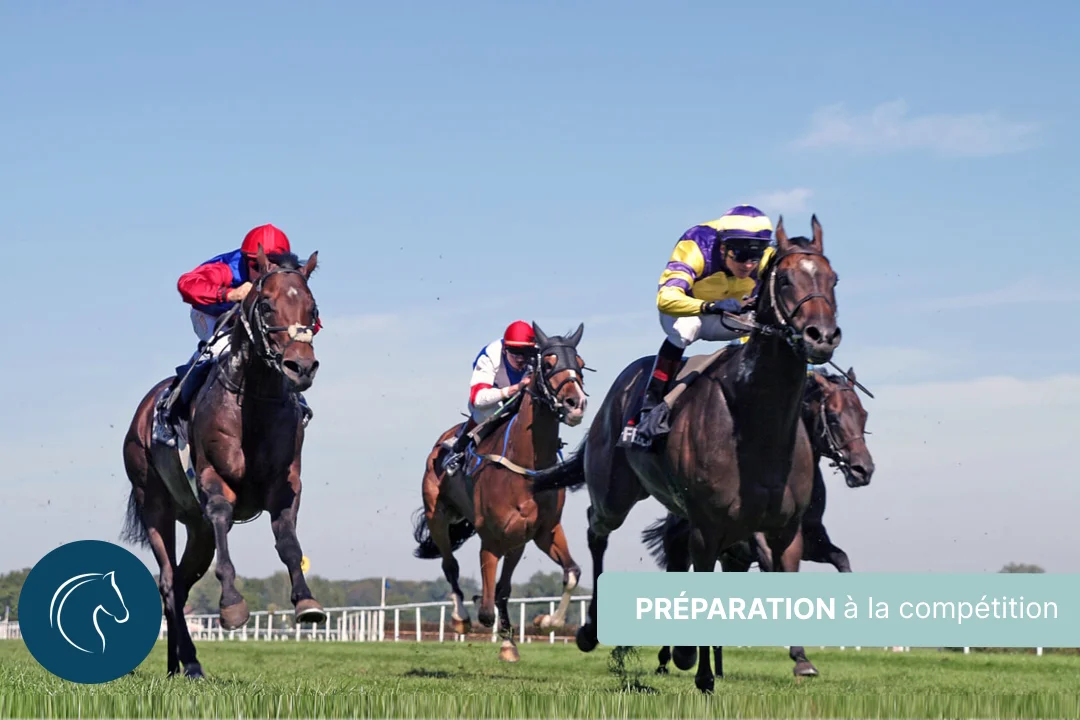
Preparing your horse for an equestrian competition, our advice
17 March 2025
Read moreWhy is it important to prepare your horse for competition?
It is important to know that horse racing is a physically intense event that requires a certain amount of effort from the horse. In order to preserve its physical and mental health, it is important to prepare for the competition period.
In order to ensure the horse's performance during the tests, several factors must be taken into consideration to properly prepare the horse for the effort. This is the key to success!
Indeed, the horse must be put in physical condition weeks before the competition. For racehorses, training sessions are scheduled well in advance.
Among the points of vigilance, it is recommended to support the cardio-respiratory and musculo-skeletal system of the horse. This will ensure the horse's well-being and avoid any trauma or physical injury.
The preparation includes physical exercises adapted to the horse and the nature of the competition. A well-muscled horse will have much less chance of injury and will recover more easily.
Natural food supplements are generally very appreciated for their healthy composition and their action that helps to recover faster.
Banning doping products in equestrian competition
Doping is one of the important issues in the equestrian world. Indeed, many cases are identified very regularly. The official bodies reinforce the anti-doping controls to fight against fraud. We are talking about the animal as well as the rider.
Substances that act on the body, procedures aimed at modifying physical capacities such as neurectomy or diuretic doping products should be banned.
The few products that are acceptable are anti-parasitics, anti-infectives or vaccines that should not be administered within 7 days before the horse show.
There are other legal and safe alternatives to improve the horse's performance and prepare it for competition.
For example, we can mention food supplements based on active principles of plants that strengthen the body health of the horse.
Opt for food supplements
The preparation of the horse for the competition is generally done in 2 stages: before the competition for the physical condition and also after for the post competition recovery.
The adaptation of the feed is one of the important aspects to prepare the horse for exercise. The choice of feed should be based on the type of exercise and the health of the animal.
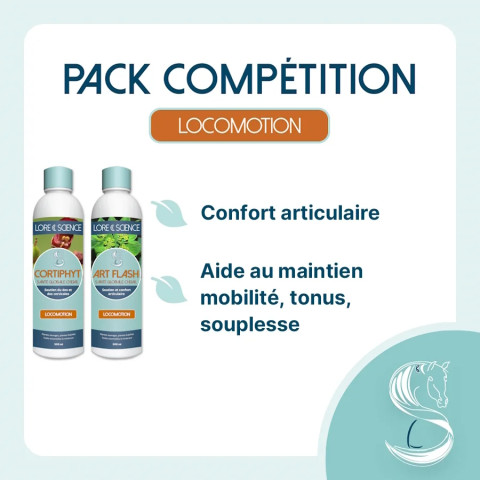
Lore & Science has formulated specific products to best meet the needs of the horse in the context of sporting events.
Before the equestrian competition
This preparation phase is very important to boost the horse's performance. The focus is on the musculo-skeletal metabolism consisting of the skeleton, muscles and tendons.
The goal is to avoid cramps, soreness and myositis. The latter is an inflammation of the muscle triggered by exercise. It is characterized by :
- Hard muscles on palpation
- Sweating
- Brown urine due to the presence of myoglobin in the blood
After the equestrian competition
It is important to know that sports efforts lead to the production of lactic acids and cellular oxidation. It is therefore essential to give special care to the horse after the competition to promote muscle recovery and help eliminate waste.
This will help to protect him from pathologies related to too much physical effort such as arthritis.
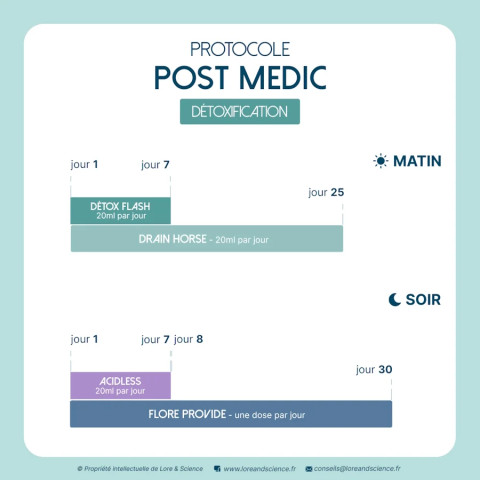
The Acidless product helps the athletic horse to recover more quickly and without after-effects. Formulated from medicinal plants and essential oils, it can also be used in case of myositis.
It is added directly to the horse's feed for 3 days after the sporting effort with a quantity of 20 ml per day.
In addition to nutritional supplements, it is possible to facilitate post-training recovery through theapplication of external treatments and targeted massages.
Do you compete in equestrian events? Share your experience with us in the comments ↓
-
 Health topics
How to protect your dog against fleas and ticks?
17 March 2025
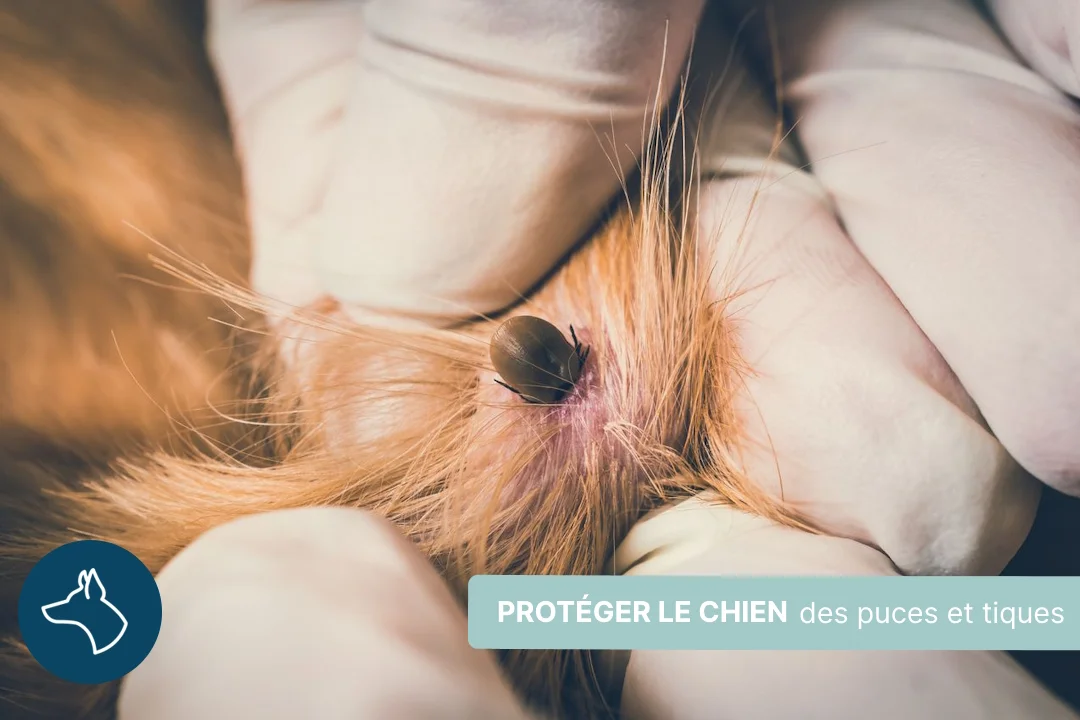
Read moreFleas and ticks are common external parasites in dogs. Fleas are small, wingless insects that feed on the blood of their host. Ticks, on the other hand, are mites that attach themselves to the skin of their host and also feed on its blood. They can remain attached for long periods of time, feeding on blood and increasing in size.
As an owner, it is essential to understand the risks associated with these parasites and to implement effective prevention measures to protect your pet's health. In this article, Lore & Science tells you all about the risks, signs and natural treatments for ticks and fleas in dogs.
Why is it important to protect your dog against fleas and ticks?
Protecting your dog from fleas and ticks is essential for several crucial reasons. First, these parasites can cause your pet great discomfort by causing intense itching and skin irritation. Fleas can quickly infest your dog's coat and multiply rapidly, which can lead to widespread infestation and deteriorating health. In addition, flea bites can trigger allergic reactions in some dogs, leading to further itching and discomfort.
As far as ticks are concerned, they represent a major health risk for our companions. They are vectors of serious diseases such as Lyme disease, piroplasmosis, ehrlichiosis, babesiosis and many others. These diseases can cause serious symptoms such as fever, joint pain, gastrointestinal problems and even heart disease.
In some cases, they can even be fatal if not detected and treated quickly. In addition, some diseases transmitted by fleas and ticks are also dangerous for humans. It is therefore crucial to protect your dog from these parasites in order to prevent their spread to you and your family.
Detecting the presence of fleas in dogs
As mentioned above, fleas are hematophagous parasites. This means that they feed on the animal's blood by biting it. They lay their eggs in the coat and the eggs fall to the ground. This mode of reproduction often leads to a rapid infestation of the animal and its living environment.
Therefore, detecting the presence of fleas in your dog is a crucial step in preventing an infestation and protecting the health of your four-legged friend. One of the most obvious signs of fleas is your dog's frequent and incessant scratching. Fleas can cause intense itching and skin irritation, leading to excessive scratching, licking or chewing.
By carefully inspecting your dog's coat, you can also spot the fleas themselves or their droppings, which look like small black particles. If you crush these particles and see a red streak, it is flea feces.
Another method is to use a specially designed flea comb, carefully going through your dog's coat to catch and remove fleas. If you notice fleas or have any doubts, it is essential to take immediate action to treat your dog and eliminate these parasites.

Identifying ticks in dogs
As mentioned, ticks are small mites that also feed on the blood of their host, which can cause various health problems. To spot ticks, it is important to perform a thorough inspection of your dog's coat, paying special attention to sensitive areas such as the ears, neck, armpits and legs. Ticks usually attach themselves firmly to the animal's skin and may look like small black or brown bumps.
It is recommended to use special tick forceps to remove them properly, making sure to grasp the tick as close to the skin as possible to avoid leaving the head or mouth parts embedded in the skin. It is important to inspect your dog regularly, especially after outdoor walks in wooded or grassy areas where ticks are common.
When your dog is infested with ticks, he or she may show certain symptoms that indicate their presence. First, you may notice excessive itching and skin irritation in the areas where the ticks have attached themselves. Your dog may also lick or scratch frequently.
In addition, the presence of ticks can cause local redness and inflammation. Some ticks can also transmit dangerous diseases, such as Lyme disease, babesiosis or piroplasmosis. Symptoms of these diseases can vary, but may include fever, fatigue, joint pain, gastrointestinal upset and loss of appetite. If you notice these symptoms in your dog and know that he has been exposed to ticks, it is essential to consult your veterinarian for an accurate diagnosis and appropriate treatment.
How to protect your dog naturally against fleas & ticks ?
Fortunately, it is possible to protect your dog from fleas and ticks. In fact, there are even natural methods that are very effective. In fact, certain plants and essential oils have been clinically proven to act as natural repellents. There are two ways to protect your dog or puppy against fleas and ticks: by applying a repellent to the skin or by giving him food supplements for long-lasting protection.
Preventing fleas and ticks in dogs
Protect your dog from fleas and ticks
In conclusion, it is essential to take adequate preventive measures to protect your dog against fleas and ticks. These parasites can cause significant health problems for our four-legged friends. By using quality and natural repellents, you can ensure the well-being and health of your dog.
In addition, it is also recommended that you maintain strict hygiene, check regularly for parasites and consult a veterinarian for personalized advice. By being proactive, you can give your dog a healthy, happy life free of the discomfort that fleas and ticks can cause.
Share your experiences or questions with us in the comments ↓
-
 Horse advice
Gastric ulcer in horses: how to treat it?
11 March 2025
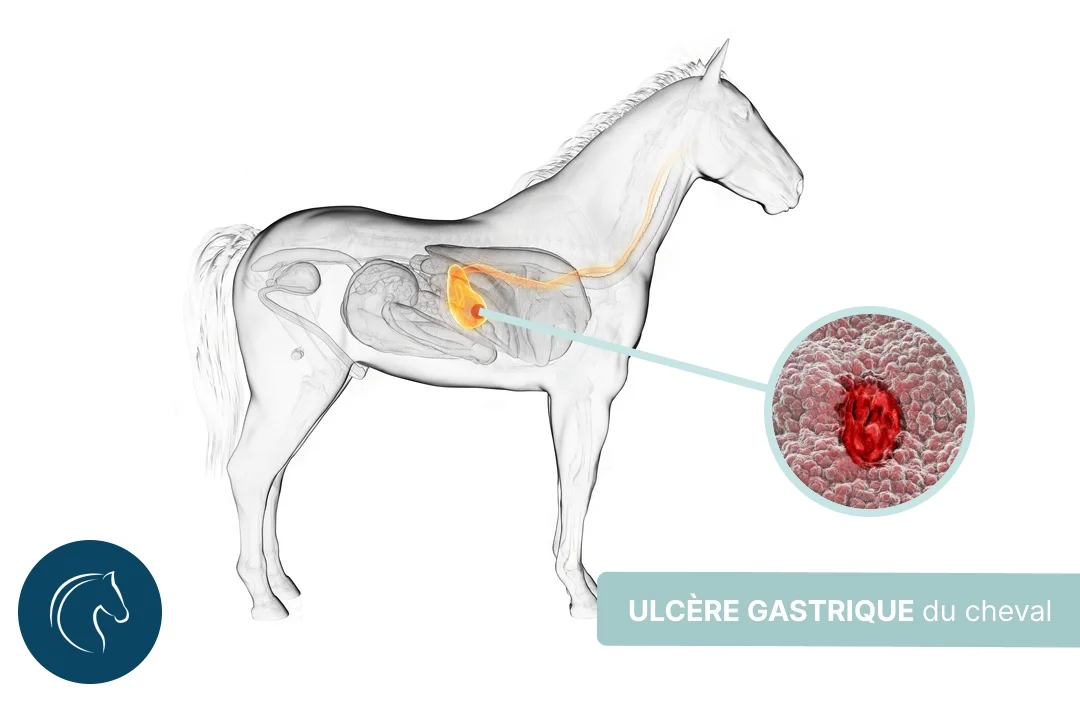
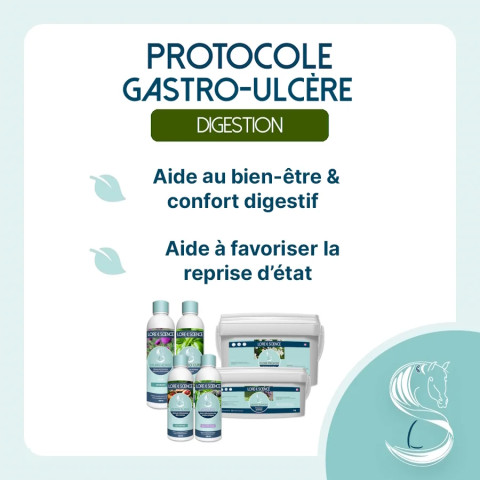
Read moreGastric ulcers are a very common condition in horses. Also known as equine gastric ulceration syndrome, it is an erosion that affects the mucosa of the stomach,esophagus or the first part of the small intestine (duodenum) to a greater or lesser extent.
Painful, this condition can affect a horse's quality of life and performance.
Lore & Science offers advice on how to treat ulcers in horses naturally and effectively.What causes horse ulcers?
Power supply
The horse is a herbivore whose digestive system is adapted to the regular ingestion of small quantities of fiber-rich feed. Its stomach continuously produces hydrochloric acid, which is normally regulated by the production of saliva through chewing.
When a horse eats less fiber and chews less, due to meals being too far apart, stomach acidity increases, creating a higher risk of ulcers. Normally, equines spend an average of 60% of their time grazing.
Stall life and low-fibre fodder alter the intestinal balance, favouring erosions of the digestive system.
In terms of diet, the risk factors for ulcers are:
- diets low in herbs or forage
- meals too far apart in time, creating periods of fasting
- a lack of fiber and too much starch in meals
- a lack of hydration, which also limits salivationExercise
We often hear that ulcers are more common in racehorses, trotters, show horses and endurance horses. Indeed, the intensity of work can be a trigger for digestive diseases. Excessive work frequency or intensive exercise are additional risk factors. Movement is suspected to add to the risk of injury by displacing acids in the digestive system.
Stress
Inappropriate work also adds to equine stress. In the event of symptoms, rest is essential. It should be noted that horses on pasture are on average less affected by this type of lesion.
All breeds of horse are affected by the problem, but there is a predilection for Thoroughbreds, Anglo-Arabs and Thoroughbred Arabians.
How do I know if my horse has a stomach ache?
Symptoms of ulcers in foals
In foals, symptoms are generally more obvious than in adult horses. The most common symptoms are hypersalivation, diarrhea and bruxism ( teeth grinding). As a general rule, a drop in energy levels should be taken into account.
Unweaned foals are particularly susceptible to diseases of the digestive system, especially if they cannot benefit from a normal suckling rhythm. Prompt treatment is essential.Symptoms of ulcers in the adult horse
Signs of stomach pain in adult horses are often subtle. So it's vital to be alert to any change in behavior and to look for the cause. Hypersalivation, sudden bruxism, a dull coat, reduced performance and energy are all signs of underlying pain.
The following non-exhaustive list of symptoms should alert you to pain
potentially originating from an equine ulcer:
- diarrhoea
- loss of appetite or sorting of feed
- a sudden drop in performance or reluctance to work
- difficulty gaining weight, emaciation and poor general physical condition
- unusual teeth grinding
- a horse lying down or rolling around a lot
When in doubt, always consult a veterinarian, who will be able to make a more accurate
diagnosis.How to react to these symptoms?
Faced with these subtle signals, which may be due to other illnesses, it is
important to carry out a clinical examination to confirm the diagnosis. Your veterinarian will perform a gastroscopy. Not very painful for the animal, this involves inserting a camera through the nostril into the horse's stomach to visualize and confirm the presence of lesions.
Nevertheless, this examination remains a source of stress for the animal, and requires a break in feeding, which is harmful in the case of ulcers. As a result, treatment is sometimes initiated as soon as an ulcer is suspected. In such cases, natural treatments are particularly recommended. They avoid side effects and show rapid improvement in the horse's condition.How to treat a horse ulcer?
Essential oils and phytotherapy against equine ulcers
A conducive environment to avoid recurrence
Do you have any questions about the natural treatment of horse ulcers?
Leave us a comment ↓ -
 Horse advice
Horse deworming: what natural solutions against worms?
10 March 2025
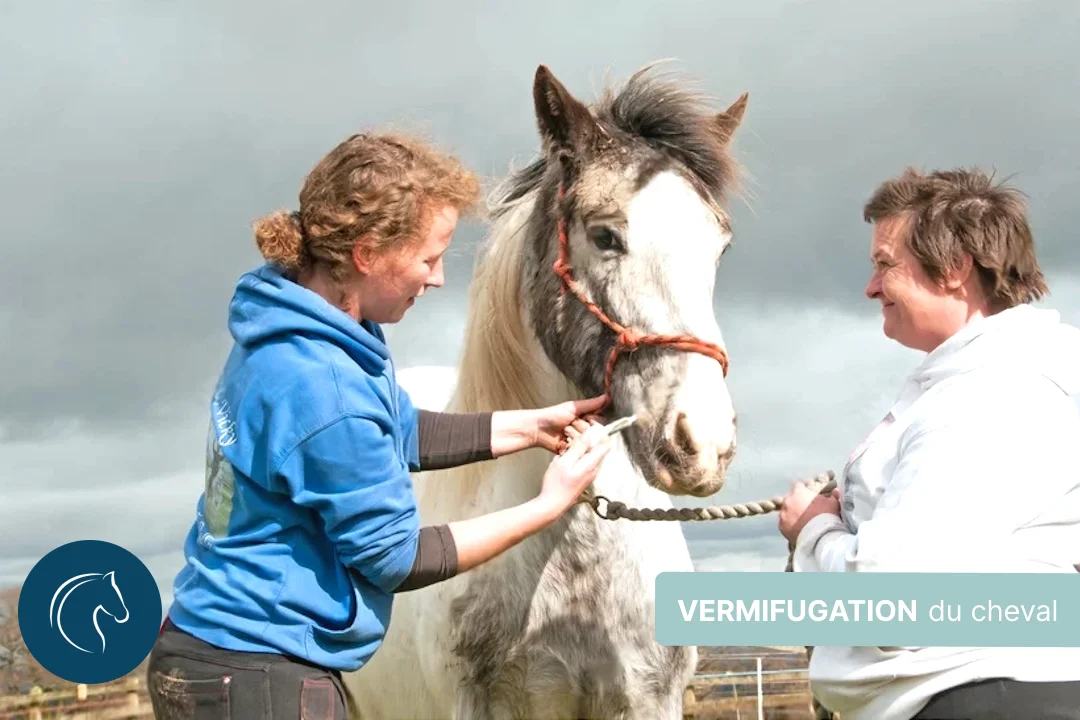
Read moreIntestinal worms are digestive parasites that can compromise horses' intestinal health, affect their general well-being and even cause major health problems. While traditional chemical dewormers are often used to combat these parasites, there are effective natural solutions that can be just as effective while respecting horses' intestinal flora. In this article, Lore & Science tells you all you need to know about the different types of intestinal worms that can infest horses, the symptoms associated with these infestations, and the natural deworming solutions available to maintain good intestinal hygiene.
What are the different types of intestinal worms in horses?
Intestinal worms develop in the digestive system of horses. They feed on the nutrients ingested by the animal, leading to nutritional deficiencies and digestive disorders. Small and large strongyles, roundworms, pinworms, tapeworms... Let's discover these parasites that can cause major problems for our equines.
Large and small strongyles
Large strongyles, or Strongylus vulgaris, are one of the most dangerous parasites for horses. These worms can cause severe colic through damage to the intestinal arteries. The larvae migrate through the blood vessels, causing inflammation and possible obstruction, which can lead to intestinal ischemia, a potentially fatal condition.
Small strongyles, or cyathostomes, are more common and less dangerous than large strongyles, but their impact on a horse's intestinal health should not be underestimated. These worms can cause inflammation of the intestinal wall, leading to chronic diarrhoea and weight loss. Small strongyles are mainly found in the horse's large intestine and cecum, where they can become encysted, making their eradication more complex.
Roundworms
Roundworms, or Parascaris equorum, mainly affect foals and young horses. Adult horses generally develop immunity to these parasites. Ascaris can obstruct the intestines due to their large size, causing colic and severe digestive disorders. They can also migrate through the liver and lungs of foals, causing damage to these organs.
Pinworms
Pinworms, or Oxyuris equi, are smaller worms that reside in the horse's rectum and large intestine. Although less dangerous than other types of intestinal worms, they cause intense itching around the anus, which can lead to skin lesions caused by the horse's constant rubbing against objects to relieve itself.
Tapeworms
You've probably already heard of tapeworms, or Anoplocephala perfoliata. These are flat parasites that attach themselves to the small intestine and ileo-caecal junction. These worms can cause local inflammation, ulcers and colic. Although massive tapeworm infestations are rare, they can lead to intestinal obstructions, putting the horse's life at risk.
Symptoms and diagnosis of parasitic infestations
Recognizing the signs of intestinal worm infestation is essential to intervene quickly and avoid serious complications. Symptoms may vary depending on the type of parasite and the level of infestation, but there are some common signs that should alert you.
What are the symptoms of intestinal worms in horses?
The first symptoms of an infestation often go unnoticed. Unexplained weight loss , often one of the first visible signs, occurs when these digestive parasites monopolize the animal's essential nutrients. At the same time, a coat that has become dull and disheveled may reveal a nutritional deficiency linked to compromised absorption of nutrients by a colonized intestine. Digestive disorders are not uncommon either, with episodes of chronic diarrhea frequently observed in horses harboring small strongyles or tapeworms.
Recurrent colic, often associated with weight loss or diarrhea, is another sign of possible infestation by large strongyles or roundworms. Pinworms cause intense anal itching. Horses tend to rub themselves compulsively, causing skin lesions around the anal region.
How to diagnose parasitic infestations?
Parasitic infestations are diagnosed byexamining the horse'sstools. If in doubt, consult your veterinarian. He or she will analyze the dung samples toidentify intestinal worm eggs and assess the level of infestation. This method, known as coproscopy, is essential for determining the type of parasite involved and adapting treatment accordingly.
Regular stool examinations are then recommended to monitor the effectiveness of deworming treatments and prevent future infestations. Your veterinarian will then prescribe a deworming program based on the results of the coproscopy. The main aim is toavoid over-treatment and limit the development of parasite resistance.
What are the natural solutions for worming horses?
Conclusion
As you can see, managing intestinal worms in horses requires a holistic approach combining prevention, early diagnosis and appropriate treatment. Although chemical dewormers are commonly used, the integration of natural solutions offers an effective way to combat parasites while respecting the intestinal flora and ensuring good digestive hygiene.
Share your experience or questions with us in the comments ↓
-
 Health topics
Lameness in dogs: causes, treatment and prevention
10 March 2025
Read moreIt's not uncommon for dogs to suffer from lameness. A dog with a limp is characterized by difficulty in moving and in putting one or more of its limbs on the ground. When the affected limb rests briefly, the lameness can be considered mild, but if the animal doesn't put its paw down at all, it's severe lameness. Lore & Science tells you everything you need to know to understand, treat and prevent lameness in your pet.
What are the symptoms of lameness in dogs?
Lameness is easily recognized in dogs. Symptoms may vary depending on the underlying cause, but generally include:
- Difficulty putting down a leg
- A shaky gait
- Abnormal head bobbing or bouncing
- Pain on loading
If your dog displays any of these symptoms, your first instinct should be to consult a vet to determine the underlying cause and prescribe the right treatment.
Common causes of canine lameness
First of all, it should be noted that lameness can affect all dogs, whatever their size, breed or age. Depending on these criteria, however, lameness can be the consequence of a number of different causes, which it's important to identify in order to treat them more effectively.
Trauma
Trauma is the most common cause of lameness in dogs. The injury may be the result of a shock, a fall or an accident. Sometimes these unforeseen events occur simply while running, jumping or playing, and can result in sprains, fractures or dislocations. Taking these injuries into account is essential, as they can lead to muscle, bone or joint damage. The severity of these injuries can vary according to the severity of the trauma.
Injuries can also occur to the paw pads, or if a foreign object becomes lodged in the animal's paw. Regular inspection is essential to limit the risks.
Joint diseases
Lameness can also have a non-traumatic origin. For example, certain joint diseases, such asarthritis or hip dysplasia, can cause a dog to limp. Arthritis is an inflammation of the joints that can be caused by age, obesity, infection or autoimmune disease. Hip dysplasia, on the other hand, is a malformation of the hip joint that can cause arthritis and difficulty in movement.
Bone diseases
Another cause of lameness in dogs is bone disease. These are more serious causes and, unfortunately, can sometimes include tumours.Osteosarcoma, for example, is a malignant bone tumor more common in large dogs. There's alsoosteomyelitis, a bone infection caused by injury or surgery.
Muscular diseases
Finally, a dog can also go limp as a result of muscle disease. One possible disease is myositis, an inflammation of the muscles that can be caused by infection or autoimmune disease. There's also myopathy, a genetic disease that affects the muscles and often leads to lameness.
How to treat a dog with a limp
Treatment of lameness in dogs depends on the underlying cause. If it's caused by a minor injury, rest and pain relief may be enough to solve the problem. However, if the cause is a serious injury, joint disease or infection, more intensive treatment may be required.
Tips to prevent lameness
Preventing lameness in dogs can be difficult, as some causes are unpredictable. However, there are steps you can take to help reduce the risk.
First and foremost, make sure your dog has a balanced, nutritious diet, as well as regular exercise to maintain healthy muscles and joints. It's also important to monitor your dog carefully for signs of lameness as soon as they appear, as early treatment can help avoid serious complications. Finally, have your dog regularly examined by a veterinarian to detect and treat underlying health problems before they become serious.
In conclusion, lameness in dogs is often benign, but can be a sign of underlying health problems. It's important to take the symptoms seriously and consult a vet as soon as possible. With prompt and appropriate treatment, and a suitable lifestyle, most cases of lameness in dogs can be successfully treated, and your dog can regain its mobility and quality of life.
Do you have a question about this article? React in the comments ↓
Search on blog
Last blog articles
On sale
100% natural guaranteed solutions










Secure
payment

100% plant-based
GMO-free

Made
in France

Fast
delivery

No chemical
agents

Newsletter Lore&Science
Subscribe and
Subscribe and
get 10% off